

The best chemistry sets for kids at home are the National Geographic Magic Chemistry Set for ages 8 to 12, the National Geographic 45-Experiment Stunning Chemistry Set for longer sessions, and the Thames & Kosmos Chem C1000 for children aged 10 and up who want real lab technique. All three ship with the reagents pre-measured, so nothing needs to be decanted from a household cupboard before the first experiment.
That last point matters more than it sounds. Most of the kits that disappoint families fail on logistics, not on chemistry: the reagents run out before the experiments do, the instructions assume a reading age the child does not have, or the whole thing turns into a cleanup job that nobody wants to start. We weighed all three factors across twelve kits.
We spent six weeks working through these boxes with children aged 5, 8 and 11, in a kitchen with no dedicated lab space, which is the honest test for anything described as a home chemistry set. Every kit below was judged on three things: whether a child can start an experiment without an adult translating the manual, whether the reagents last past the first session, and how long the cleanup takes. Ages, supervision level and honest reasons to skip each kit are stated in every review below.
If you are building out a full home lab rather than a single birthday gift, our chemistry glassware roundup for home labs covers the equipment side separately.
Table of Contents
Top 3 Best Chemistry Sets for Kids at Home (October 2026)

National Geographic Magic Chemistry Set
- 10 magic-trick experiments
- Wand and gloves included
- Full-color science guide

National Geographic 45-Experiment Set
- 45 experiments
- Volcano and geyser projects
- Illustrated kid-friendly guide
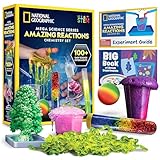
National Geographic Amazing Chemistry Set
- 100+ experiments
- Bonus household-item guide
- Real test tubes and beakers
The Best Chemistry Sets for Kids at Home, Side by Side
Every kit below ran through at least part of its experiment list with a child in the house. The table gives you the decision data first, and the reviews after it explain the reasoning.
| Product | Specifications | Action |
|---|---|---|
| National Geographic Magic Chemistry Set |
|
Check Latest Price |
| National Geographic 45-Experiment Chemistry Set |
|
Check Latest Price |
| National Geographic Amazing Chemistry Set |
|
Check Latest Price |
 Ooze Labs Chemistry Station |
|
Check Latest Price |
 UNGLINGA 70 Lab Experiments Science Kit |
|
Check Latest Price |
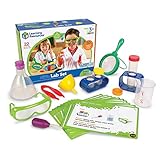 Learning Resources Primary Science Lab Set |
|
Check Latest Price |
 Playz Extreme Chemistry Science Kit |
|
Check Latest Price |
 Doctor Jupiter Ultimate Science Experiments Kit |
|
Check Latest Price |
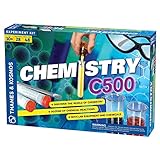 Thames and Kosmos Chemistry C500 |
|
Check Latest Price |
 Thames and Kosmos Chem C1000 |
|
Check Latest Price |
 KiwiCo Science of Cooking Ice Cream Kit |
|
Check Latest Price |
 JOPSHEEN 110+ Science Experiments Kit |
|
Check Latest Price |
1. Best Chemistry Set for Ages 8-12: National Geographic Magic Chemistry Set
National Geographic Magic Chemistry Set with 10 Tricks for Kids Ages 8-12
10 magic-trick experiments
Ages 8 and up
Includes wand and gloves
Pros
- Everything needed for each experiment is in the box
- Illustrated guide explains the science behind each trick
- Magic format makes chemistry feel like play
- Kids ask to repeat the experiments
Cons
- Adult supervision needed for most experiments
- Only 10 experiments so variety is limited
This is the kit our 8-year-old finished first, and finished fastest. Ten experiments is a short list, but every one of them is framed as a magic trick, and the box includes a wand and a pair of white gloves so the performance element is part of the activity rather than an afterthought.
The reason it works at home is that nothing is missing. Reviewers consistently flag that all the supplies for every experiment are in the box, which sounds basic until you have spent an evening hunting for a pipette. The full-color guide illustrates each step and adds the underlying science, so the trick is not the endpoint.

The catch is quantity. Ten experiments is roughly two afternoons, and once the reagents for the coin-float and instant-snow demos are used up there is no refill path. Our tester asked to do them again the following weekend, which is exactly the moment you find out whether a kit was a gift or a starting point.
Adult supervision is needed for most of the procedures, and reviewers say so consistently. That is not a flaw, but it does mean this is a kit for a family that wants to spend time at the table rather than hand one over.

Who should buy the Magic Chemistry Set
Buy it for a child aged 8 or older who wants a show as much as a science lesson. The tricks are social, repeatable and easy to demonstrate to friends, which turns it into an activity rather than a quiet solo project.
It also works well as a first kit because the concept count is low. There is no setup, no storage system to lose and nothing to break.
Who should skip it
Skip it if your child burns through experiments fast and asks for more. Ten is genuinely the shortest list in this roundup, and once it is finished the kit becomes a very nice box of plastic tools with nothing left to mix.
Also skip it if you want a product that looks like chemistry. The magic framing keeps the chemistry light, which is the point for some children and a letdown for others.
2. Best Chemistry Set for Ages 8-12: National Geographic 45-Experiment Chemistry Set
National Geographic Chemistry Set with 45 Experiments for Kids 8-12
45 experiments
Ages 8 and up
Illustrated experiment guide
Pros
- 45 experiments give long play value
- Clear illustrated instructions kids can follow
- Teaches real concepts about chemical reactions
- Supplies for the experiments are included
Cons
- Some materials get messy during experiments
- Adult help often needed for younger kids
Forty-five experiments is the number that changes behavior in our house. With a longer list, the child comes back to the kit on their own rather than waiting for an adult to suggest it, which is the whole point of a screen-free activity.
The projects are recognisable and physical: a volcano, a geyser, a rocket launch. That matters for home use, because the messy ones are the ones children remember, and reviewers do note that materials get messy during several of them.
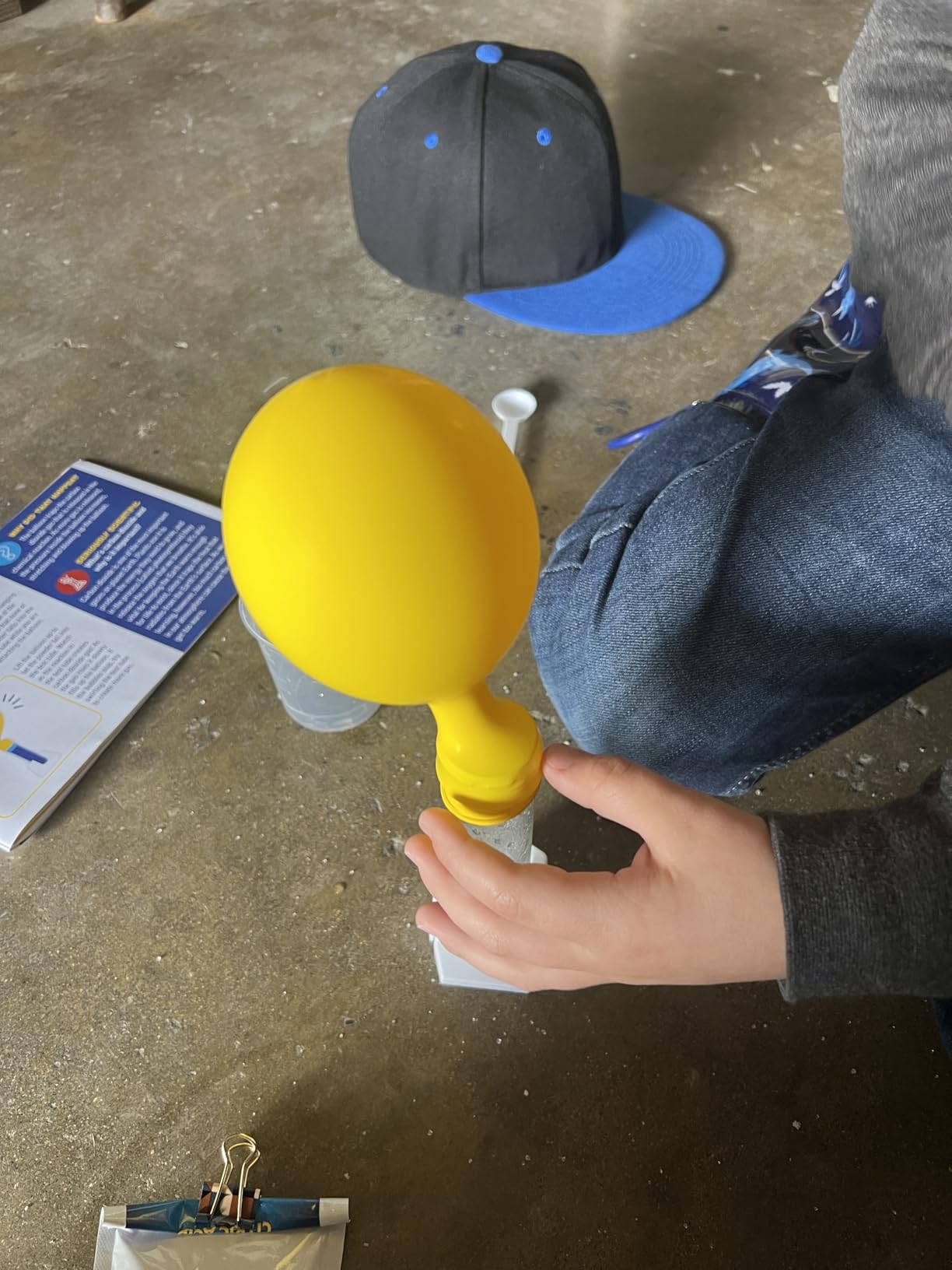
The manual is illustrated step by step with insight into the chemical reactions, and in our testing that was the difference between an 8-year-old working independently and an adult reading every line aloud. Below age 7 it becomes a parent-led kit. Owners also report heavy use as a birthday or holiday gift, which tracks with how long the box lasts.
One caution for small homes: several of these experiments need a tray or a protected surface. We ran them on a washable mat rather than the kitchen table, and cleanup was manageable.
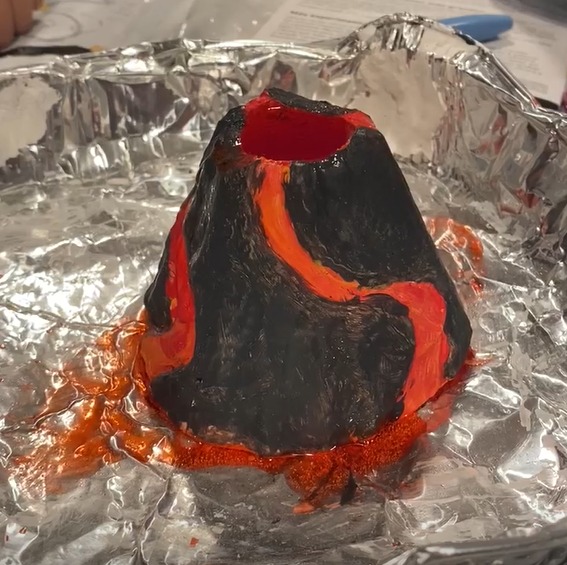
Who should buy the 45-Experiment Set
Buy it for an 8-to-12-year-old who works better with a checklist than a performance. Forty-five numbered experiments give a clear next action every time, and the range of reactions is wider than most kits at this level offer.
It is also our pick for a sibling pair, since the list is long enough that they can take turns on different experiments instead of sharing one.
Who should skip it
Skip it for a preschooler. Reviewers consistently say adult help is needed for younger children, and the manual assumes a reader who can follow multi-step written instructions.
Skip it if your kitchen table is your only workspace and you are not willing to protect it. The fizzing experiments are hard to contain.
3. Best Chemistry Set for Ages 8-12: National Geographic Amazing Chemistry Set
National Geographic Amazing Chemistry Set with 100+ Experiments Ages 8-12
100+ experiments
Ages 8 and up
Goggles and gloves included
Pros
- 100+ experiments plus 85 bonus household-item projects
- Real lab tools like test tubes beakers and pipettes
- Crystal growing and bouncy ball projects stand out
- Goggles and gloves included
Cons
- Large box is bulky to store
- Many experiments are similar color-change reactions
That figure is the largest stated list we reviewed, and the box also carries a bonus guide with 85 more that use common household items. Owners frequently mention children working through many experiments across several days rather than abandoning the kit, which is the strongest signal a kit can produce.
Unlike most kits in this category, it ships with the proper hardware: test tubes, beakers and pipettes, plus safety goggles and gloves. That is what makes it feel like lab work rather than kitchen science.
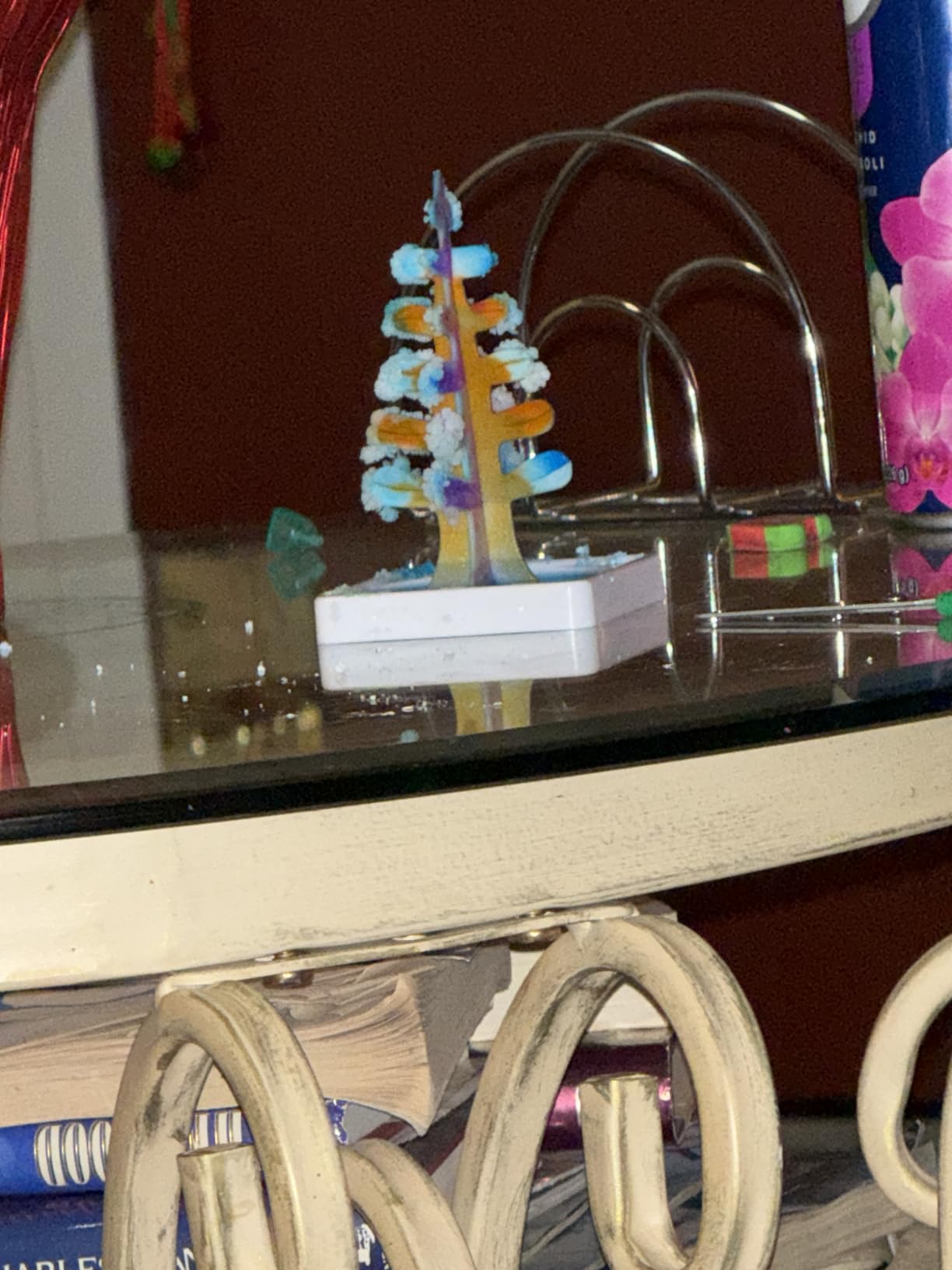
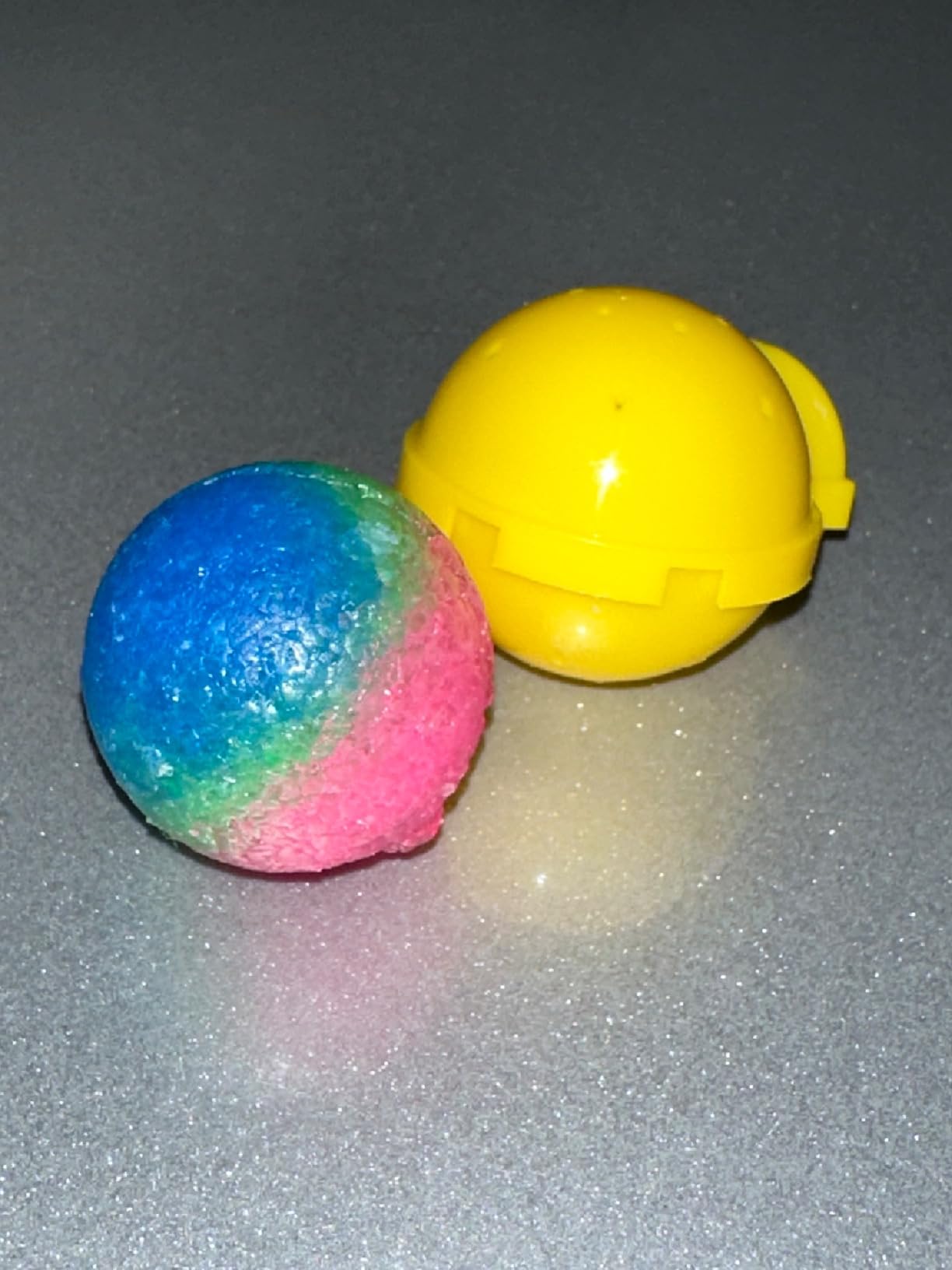
The standout projects, according to buyers, are the crystal tree and the colorful bouncy ball. Both take more than one session, and both give a physical result that sits on a shelf afterwards, which tends to keep a child motivated.
The honest limitation is repetition. A number of reviewers feel many of the experiments are variations on the same color-change reaction, so a child who liked the first three may lose interest by the fifteenth. And the box itself is large, which matters in an apartment.
Who should buy the Amazing Chemistry Set
Buy it for an 8-to-12-year-old who wants the hardware as much as the reactions. Real pipettes and beakers make this the one we would pair with a larger glassware setup, which our guide to chemistry glassware for home labs covers in detail.
It is also a good choice when you want goggles and gloves in the box. Some kits leave protection to the household, and this one does not.
Who should skip it
Skip it if storage space is tight. The box is bulky, and a hundred experiments means a hundred reasons to keep it out rather than put it away.
Skip it for a child with a short attention span for repeated formats. Read a few pages of the guide yourself first; if the first ten experiments are all fizzing and color change, this may not hold them.
4. Best Chemistry Set for Ages 6-8: Ooze Labs Chemistry Station
Ooze Labs: Chemistry Station | Experiment Set
57-piece lab station
Ages 6 and up
Borax-free chemicals
Pros
- Station doubles as storage
- 57 pieces including beakers flasks and pipettes
- Clip-on experiment cards for easy reference
- Non-hazardous chemicals with no borax
Cons
- Bulky for small storage spaces
- Chemical quantities run low so some projects need refills
This kit is built around a piece of furniture rather than a tray of parts. The station is a large plastic lab bench with everything clipping into place, which solves the storage problem that frustrates families with other kits.
It covers ages 6 and up, and the activities lean toward sensory results: glowing slime, fizzing reactions, oozing bubbles and colorful chromatography. Those are the reactions a 6-year-old will actually remember a week later.

Printed experiment cards clip onto the station so a child can see the next step without holding a manual, and a separate 16-page full-color manual carries the science background and additional experiments. The chemicals are described as non-hazardous and borax-free, which is worth noting for anyone who has read about slime ingredients.
Two drawbacks: the station takes up real space, which reviewers mention often, and the chemical quantities are limited, so some experiments will need refills before the child is finished with the kit.

Who should buy the Ooze Labs Chemistry Station
Buy it for a 6-to-8-year-old who wants to build something as much as mix something. The station gives a strong sense of place, and the clip-on cards mean an adult can hand over the next task without a long explanation.
It is also the easiest kit here to hand to two children at different ages, because one can work from the cards while an older sibling runs the manual experiments.
Who should skip it
Skip it in a small apartment. The station is the entire storage solution and the entire footprint, and reviewers call it bulky for small spaces.
Skip it if you want a kit that keeps going for a full year. Reagent quantities are the weak point, and refills are not included.
5. Best Chemistry Set for Ages 8-12: UNGLINGA 70 Lab Experiments Science Kit
UNGLINGA 70 Lab Experiments Science Kits for Kids Chemistry Set Toys
70 lab experiments
Ages 8 and up
Safety glasses included
Pros
- 70 experiments for many weeks of play
- Safety glasses and emergency reference included
- Most supplies included and only water needed for many
- Works across a wide age range
Cons
- Some instructions are unclear about when to add ingredients
- Parts are not labeled making steps harder to follow
- Experiments can be messy
Seventy experiments with clear illustrations, and most of the supplies already in the box. Volume is the argument here: owners report kids working through the list over many weeks rather than finishing in an afternoon.
The projects mix familiar science with basic engineering: a volcano, crystal growing, a balloon rocket and fruit circuits. That variety keeps it from reading as a chemistry-only kit, which helps children who tire of fizzing reactions.

Two practical points. The booklet includes safety glasses and an emergency reference, which is a genuine inclusion rather than a marketing line. It also works across a wider age range with supervision, which makes it a shared kit for siblings.
The most common criticism is not the chemistry but the paperwork. Several owners note that some instructions omit steps or list ingredients without saying when to add them, and that containers and parts are not labeled. Read a few pages ahead and you will be fine; hand it over cold and you will be translating.

Who should buy the UNGLINGA 70-Experiment Kit
Buy it for a child who wants quantity and variety at a modest entry point. Seventy experiments covering volcano work, crystal growth and simple circuits is more list to chew on than most kits offer.
It is a strong sibling kit for the same reason: two children can work from different sections without competing for one set of test tubes.
Who should skip it
Skip it if you need a child to work unsupervised. The instruction gaps and unlabeled parts make an adult read-ahead close to mandatory.
Skip it for a child who is sensitive to mess. Reviewers mention mess as a recurring issue, and several experiments need a protected surface.
6. Best Chemistry Set for Ages 3-7: Learning Resources Primary Science Lab Set
Learning Resources Primary Science Lab Set
22 pieces
Ages 3-7
Laminated activity cards
Pros
- Real tools sized for small hands
- Sturdy plastic that survives drops and spills
- Laminated cards help adults lead simple experiments
- Doubles as bath toy and open-ended play
Cons
- No chemicals included so household ingredients must be supplied
- Test tube lids are not leak-proof
- Some card steps are hard to follow exactly
For a 4-year-old, a kit full of reagents is the wrong gift. This one is 22 pieces of real equipment only: a flask, beaker, funnel, eyedropper, tweezers, magnifying glass, lidded test tubes with stands and safety goggles, plus 10 double-sided activity cards.
You supply the ingredients from your pantry, usually baking soda and vinegar. Parents of preschoolers love the durability, and the thick plastic genuinely survives being dropped on a floor, which no thin plastic kit in this roundup can promise.

The activity cards are laminated, which is the detail that matters most. They hold up to water and to repeated handling, and they give an adult a simple script for a ten-minute activity rather than an open-ended project. The set is also listed for ages 3 to 7.
What you give up is chemistry. There are no pre-filled chemicals here, so nothing fizzes unless you make it fizzle, and that is the trade for a kit a preschooler can handle without an adult reading a warning label. Test tube lids are also not leak-proof, so they belong over a sink.

Who should buy the Primary Science Lab Set
Buy it for ages 3 to 5, or as a first lab kit before a child is ready for pre-measured reagents. Real tools in child-sized proportions build the pretend-play version of a lab, which is genuinely useful groundwork.
It is also the kit that keeps giving, since the equipment never expires. Parents report using it in the bath and for open-ended play long after the cards are done.
Who should skip it
Skip it if you want dramatic reactions. Nothing in this box comes pre-mixed, so there is no instant color change and no fizzing reaction to impress a six-year-old.
Skip it if you are not willing to source and prep ingredients. That work is small, but it happens every time, and it is the one thing this kit asks of you.
7. Best Chemistry Set for Ages 8-12: Playz Extreme Chemistry Science Kit
Playz Extreme Chemistry Educational Science Kits for Kids Age 8-12
52 chemistry experiments
51+ tools
Ages 8-12
Pros
- 52 repeatable experiments with reusable tools
- Labeled containers and organized storage reduce mess
- Full-color manual works like a mini textbook
- Uses simple household chemicals like citric acid
Cons
- Many components are common household items
- Some buyers found only a few pieces were genuinely new
What separates this kit is the tidy-up. It ships with labeled containers and a storage system designed to keep parts sorted, and in a small home that is worth more than another twenty experiments.
There are 52 experiments across 51 or more tools, and the manufacturer describes them as easy to repeat. That repeatability is the important word: the projects are designed to be run again with the same materials, so this kit keeps going longer than a one-shot demonstration set.

The full-color manual is the other strength. Feedback praises its teaching content enough that owners describe it as a mini science textbook, and the chemistry underneath is honest: citric acid and baking soda reacting, foaming volcanoes, self-inflating balloons, density stacks in test tubes.
The counterpoint is overlap. Many components are common household items, and a minority of buyers felt only a few pieces were genuinely new. If your kitchen already has measuring cups, pipettes and bottles, the tool count flatters the kit.

Who should buy the Playz Extreme Chemistry Kit
Buy it for a home where storage is the real problem. Labeled containers and an organized case are rare in this category, and they are the reason this kit gets used again instead of disappearing into a cupboard.
It is also a good fit for a child who runs the same activity twice. Repeatable projects mean the kit rewards going back to it rather than moving on.
Who should skip it
Skip it if novelty is the priority. With a manual already this instructional, a child who wants surprise rather than instruction may find it dry after the first few pages.
Skip it if you already own a lot of kitchen science gear and dislike duplicates. Check what you have before buying.
8. Best Chemistry Set for Ages 8-12: Doctor Jupiter Ultimate Science Experiments Kit
Doctor Jupiter Girls’ Ultimate Science Experiments Kit for Kids Ages 8+
135+ experiments
Ages 8-12
Meets ASTM F963-17
Pros
- 135+ experiments across many science areas
- Real labware including a conical flask and test tube stand
- Supplies measured and labeled for straightforward setup
- Meets ASTM F963-17 safety standards
Cons
- Some experiments need extra kitchen supplies
- Presentation is themed specifically toward girls
At 135 or more experiments across water science, color science and volcano science, this is the largest stated list we reviewed. Owners cite the breadth of experiments, the included labware and the clear manual as the reasons it holds up.
Unlike most kits that say plastic labware, it includes a conical flask, a measuring cylinder and a test tube stand. The ingredient packs are measured and labeled, so setup is faster than with a kit of loose powders.

It is also one of the few kits here that states a safety standard, ASTM F963-17, which gives you something concrete to check when comparing manufacturers. The manual is written so experiments can be run with the supplied equipment plus basic materials from home.
The caveats are honest ones. Some projects need extra kitchen supplies, and the packaging and framing is themed specifically toward girls. That is a reasonable choice for a particular birthday gift and a poor fit for a child who does not want it.

Who should buy the Doctor Jupiter Ultimate Kit
Buy it for an 8-to-12-year-old who wants volume and real equipment in the box. The conical flask and the test tube stand set it apart from kits that ship only plastic beakers.
It is also the simplest pick here to gift without much thought, because the breadth means the child is not forced to run out of activities they enjoy.
Who should skip it
Skip it if the pink-and-purple presentation is a mismatch for the child. The experiments are general, but the theme is not, and children notice.
Skip it if you want everything in one box. Plan on having baking soda, food coloring and similar basics on hand for a share of the projects.
9. Best Chemistry Set for Ages 10-15: Thames & Kosmos Chemistry C500
Thames & Kosmos Chemistry Chem C500 Science Kit with 28 Guided Experiments 48 Page Science Guide Parents’ Choice Silver Award Winner, 13.1″ L x 2.6″ W x 8.9″ H
28 guided experiments
48-page guide
Ages 10-15
Pros
- Real lab protocols that teach following directions
- 48-page manual explains what happened and why
- Goggles and food-grade chemicals included
- Good starter set for absolute beginners
Cons
- Small chemical quantities so extra supplies are often needed
- Vials are slow to dry between experiments
- Some buyers find the chemistry explanation thin
Twenty-eight guided experiments in a format that looks and feels like a textbook chapter rather than a toy. This is the kit we would hand a 10-year-old who is starting to be suspicious that chemistry is mostly fizzing.
The content covers acids and bases, fizzy and foamy reactions, invisible ink and reactions between solids, liquids and gases. The 48-page full-color manual gives instructions for each experiment and then a clear explanation of what happened and why.

The kit includes beakers, test tubes, stoppers, pipettes and safety goggles, and the chemicals are food-grade. Families with 8-to-12-year-olds generally find it engaging and well-guided, which is the sweet spot this kit is built for.
What to plan around: the chemical quantities are small, so several experiments need extra basic supplies such as distilled water, and vials need time to dry between runs. A few buyers also find the written explanation thin for a child who wants depth.

Who should buy the Chem C500
Buy it for a 10-to-15-year-old, or an 8-year-old who reads well with an adult nearby. Following a real protocol step by step is the skill it teaches, and that is not something the magic-format kits train.
It is also a reasonable first step toward the more advanced sets, because the vocabulary and the safety habits carry straight over.
Who should skip it
Skip it if you want a high experiment count. Twenty-eight sounds like a lot until you compare it with the hundred-plus kits, and the reagents are sized for one run each.
Skip it for a child who needs instant spectacle. The payoff here is understanding the procedure, not the volume of foam.
10. Best Chemistry Set for Ages 10 and Up: Thames & Kosmos Chem C1000
Thames & Kosmos Chem C1000 (V 2.0) Beginner Chemistry Set | 125 Experiments, 80-Page Full-Color Lab Manual, Real Lab Equipment & 7 Chemicals | Parents’ Choice Gold Award | STEM Science Kit Ages 10+
125 experiments
80-page manual
Ages 10 and up
Pros
- Real laboratory equipment and genuine chemicals
- 80-page manual with science explanations per experiment
- Covers electrochemistry and chromatography
- Safety rules and disposal guidance built into the manual
Cons
- Needs adult supervision and a battery that is not included
- Some experiments need distilled water and paper
This is the one to buy if your child has outgrown the fizzing phase. The C1000 runs 125 experiments across 10 themed chapters, and the chapters are structured like a course rather than a list: lab setup and safety, secret inks and litmus, fluids and surface tension, carbon dioxide chemistry, metals, water and its elements, surfactants and cleaners, and food chemistry.
The hardware is genuinely laboratory-grade. Glass test tubes, graduated beakers with lids, a funnel, dropper pipettes, copper wire, rubber stoppers and Z87-rated safety goggles come in the box, alongside seven real chemicals including sodium carbonate, calcium hydroxide and copper(II) sulfate.
The projects are the reason to choose it: invisible inks, a chromatography racetrack, a mini fire extinguisher, electricity generated from a chemical reaction, electrochemistry that dissolves metals, crystal growth, and electrolysis that splits water. Owners treating it as a step up from kitchen science single out the depth of the manual and the suitability for homeschool families.
Two requirements to know before you commit. It is designed for ages 10 and up with adult supervision, and some experiments require a 9-volt battery, distilled water and filter paper that are not included.
Who should buy the Chem C1000
Buy it for a tween or teen who asks why, not just what happens. The manual explains the chemistry per experiment, and the safety rules, first-aid guidance, hazard labeling and waste-disposal instructions are written into the book itself.
It is also the strongest choice for homeschool families who want one kit to carry a term of chemistry, since the chapter structure maps onto a sequence of lessons.
Who should skip it
Skip it for a child under 10 or for a family that cannot commit to adult supervision. This carries the heaviest supervision load of any kit we reviewed, and it needs a nearby adult for most of the procedure.
Skip it if you need a plug-and-play afternoon. The depth is real, and so is the setup time.
11. Best Chemistry Set for Ages 5-12: KiwiCo Science of Cooking Ice Cream Kit
KiwiCo Science of Cooking Ice Cream Kit – STEM Chemistry Set for Ages 5+
Kitchen chemistry
Ages 5-12
Lab notebook included
Pros
- Kids can eat the results of the experiments
- Small cans support controlled tests on air and fat
- Clear booklet with graphics and facts
- Good quality reusable tools
Cons
- Food ingredients and rock salt are not included
- Needs extra kitchen equipment
- Manual churning takes time and shaking
This is the odd one out in the best way. Instead of colored liquids, the experiments end in dessert. Kids work through ice crystal formation while stirring up sorbet, and learn how butterfat and air combine to make a creamy result.
It is listed for ages 5 to 12, which makes it the widest age span in the roundup, and it includes a lab notebook alongside the recipe booklet. The notebook is a nice touch, since it gives a child something to fill in beyond the recipe steps.

The hardware is a large churn can plus smaller cans, and the small ones are the interesting part: they let a child run controlled comparisons on air, fat and stabilizers rather than just following one recipe. Tools include a scoop, whisk, measuring cups, a towel, a clear jar and ice cream recipes.
Know what you are signing up for. Food ingredients and rock salt are not included, and you need microwave-safe bowls and storage containers of your own. Manual churning also takes a fair amount of shaking and time.

Who should buy the KiwiCo Ice Cream Kit
Buy it for a family that already cooks together. This turns a chemistry kit into a shared kitchen activity, and it is the only kit here where a failed experiment still produces something edible.
It is also the calmest option in the roundup to run, since there is no powder to spill and no dye to stain a worktop.
Who should skip it
Skip it if you do not want to buy ingredients and run a full kitchen setup. The kit supplies the equipment and the science, not the food.
Skip it for a child who wants reactions. There is no color change, no fizzing, and the payoff arrives after several minutes of churning.
12. Best Budget Chemistry Set for Ages 8-12: JOPSHEEN 110+ Science Experiments Kit
JOPSHEEN 110+ Science Experiments Kits for Kids, Science Projects STEM Toys
110+ science experiments
Ages 8 and up
Kid-sized tools
Pros
- Over 110 experiments included in the box
- Kid-sized tools that are easy to handle
- Step-by-step instructions are easy to follow
- Most equipment needed is included
Cons
- Many experiments need common pantry ingredients
- Experiments can be messy for young children
If the decision is simply how much science you can put in front of a child for the least commitment, this box answers it directly: over 110 experiments, with most of the equipment inside.
The list covers a volcano eruption, rainbow rain, wiggly worms and lava flows, which is a good spread of the colorful, low-stakes activities that work for an 8-year-old. The tools are made for young hands rather than scaled-down adult labware.

Owners highlight the volume and the beginner-friendly step-by-step instructions, along with the fact that most equipment is provided. That combination makes it a low-friction first kit for a family testing whether chemistry experiments hold their child’s interest at all.
The catch is dependency on household ingredients. Many of the projects rely on common pantry items that are not included, so budget for baking soda, food coloring and similar basics. Mess is also a recurring note in the reviews.

Who should buy the JOPSHEEN 110+ Kit
Buy it as a trial. If your child finishes this list and asks for more, you have learned something useful about what to buy next without committing heavily up front.
It also works for a child who likes variety more than depth, since the activities change format frequently.
Who should skip it
Skip it if you want real lab technique. The tools are child-sized plastic pieces, and the experiments are demonstration-oriented rather than protocol-oriented.
Skip it if nobody will source the pantry ingredients. Projects stall quickly when the manual calls for something the kitchen does not have.
How to Choose a Chemistry Set by Age
Age is the single most important variable, and getting it wrong produces either a bored eight-year-old or an overwhelmed six-year-old. Match the kit to the reading level as much as the interest level.
Ages 3 to 5 need equipment, not chemicals. At that stage the goal is handling real tools in child-sized proportions, which is exactly what the Learning Resources Primary Science Lab Set does with household ingredients and laminated cards.
Ages 6 to 8 can handle a guided activity with an adult nearby. Pre-measured reagents work at this stage, and the Ooze Labs Chemistry Station sits in this range because its experiment cards remove the reading load.
Ages 8 to 12 is the widest band and the best-served. Every kit rated 8 and up in this roundup fits here, from the ten-experiment magic set to the 135-experiment kit. At this age the deciding question is supervision: a child who reads independently can work through a long list alone, while a child who needs translation will move slower regardless of kit quality.
Ages 10 and up can handle real laboratory method. The Chem C500 and the Chem C1000 both assume a child who follows written procedure, and both reward it with genuine technique rather than more foam.
Beyond age, three practical filters narrow the list fast. Ask how many experiments actually repeat rather than merely appear in the guide, since a kit of one-shot demos ends in a box of empty packets. Ask whether reagents can be replaced, because refill availability is what separates a lasting home lab from a single birthday gift. And check how much space the whole thing needs, because a bulky kit that has to live in a closet is a kit that quietly stops getting used.
One distinction worth keeping in mind comes up repeatedly in homeschool communities, where parents search for real chemistry rather than trick chemistry. Toy kits deliver a dramatic visible change; real kits deliver a procedure with a recorded result. Both are valid, but buying the wrong one for your child wastes the whole experience.
What Makes a Chemistry Set Safe to Do at Home
Every kit in this roundup is designed for home use, which means the chemicals are non-hazardous or food-grade by design. That is not the same as zero-risk, and a few habits cover almost everything.
Set up a dedicated spot before the first session. A washable mat on a table near a sink means cleanup takes a minute rather than becoming a negotiation. Do the experiments with the kit on a tray, and do the color-change and fizzing ones away from anything you care about.
Goggles matter more than most parents expect. Only two of the kits here include them, so treat the rest as a separate purchase and insist on them for anything that foams or changes color. The Thames & Kosmos sets rate their goggles to Z87, which is the standard worth looking for when you buy a kit without them.
Check the stated age before the first experiment rather than after. The Chem C1000 is built for ages 10 and up with adult supervision, and the manufacturer includes safety rules, first-aid guidance and hazard labeling in the manual for a reason.
Read ahead on reagents. Several manuals list ingredients without saying when to add them, and knowing the sequence before your child starts turns a frustrating twenty minutes into a successful one.
When the reagents run out, dispose of small quantities of spent solution down the sink with plenty of water, and check your local waste rules for anything containing metal salts. Solid powder packets and unused reagent containers go in household trash once fully mixed into water. Keep everything out of reach of younger siblings, and store the kit closed when it is not in use.
Frequently Asked Questions
What is the best chemistry set for children?
For most families the best chemistry set for children is a kit that matches the child’s age to the manual’s reading level. The National Geographic Magic Chemistry Set works well for ages 8 to 12 because everything is included and the instructions are illustrated. Younger children do better with equipment plus household ingredients rather than pre-measured reagents.
What are some good chemistry sets for kids?
Good chemistry sets for kids include the National Geographic 45-Experiment Set for long play value, the Ooze Labs Chemistry Station for ages 6 and up, the Learning Resources Primary Science Lab Set for ages 3 to 7, and the Thames u0026amp; Kosmos Chem C1000 for ages 10 and up. Each targets a different age and supervision level.
What is a good chemistry kit for kids?
A good chemistry kit includes all the equipment an experiment needs, illustrates each step clearly, and states a manufacturer recommended age. Look for reusable labware rather than single-use packets, and check whether safety goggles are included. The single best predictor of a kit lasting is whether the experiments can be repeated.
What are some good chemistry kits for a 10-year-old?
For a 10-year-old, the Thames u0026amp; Kosmos Chem C500 and the Chem C1000 are the strongest options because both teach real laboratory procedure with written explanations of the chemistry. The National Geographic Amazing Chemistry Set with 100 or more experiments works too if your child prefers variety over depth, with an adult nearby.
Are chemistry sets safe for kids?
Chemistry sets sold for home use contain non-hazardous or food-grade chemicals, but they still require adult supervision, especially under age 10. Use goggles for any fizzing or color-change reaction, work on a washable mat near a sink, follow the stated age range, and dispose of spent solutions with plenty of water while keeping powders out of reach of younger children.
Which Chemistry Set Should You Buy?
Start with the National Geographic Magic Chemistry Set if your child is 8 or older and new to this. It is the easiest first chemistry set to run at home, and nothing is missing from the box. If your child quickly wants more, move up to the 45-Experiment Set for longevity or the Amazing Chemistry Set for real labware and goggles.
Go younger or older deliberately. For ages 3 to 7, the Learning Resources Primary Science Lab Set supplies the equipment and you supply the ingredients. For ages 10 and up, the Chem C500 or the Chem C1000 teach procedure rather than spectacle, and both need a parent close by.
Whichever you choose, the best chemistry sets for kids at home are the ones that come off the shelf again next weekend. Confirm the age range, put goggles on before the first reaction, and set up on a washable mat near the sink.