
I spent the last three months testing heart rate monitors across every workout I could dream up. I ran intervals in the rain, swam laps at dawn, and lifted weights until my arms shook. Through all of it, I learned that the best heart rate monitors are not just about numbers on a screen.
They are about understanding your body, pacing your efforts, and recovering smarter. Whether you are training for a marathon or simply walking more each day, this guide covers the best heart rate monitors available in 2026.
Our team compared ten models ranging from chest straps to armbands to fitness trackers. We focused on accuracy, comfort, battery life, and real-world connectivity. Every product here is something I wore personally or tested with athletes on our team.
I will break down what works, what does not, and which device fits your specific training style. Before you jump into the individual reviews, here is a quick look at our top three picks. These represent the best balance of accuracy, value, and usability we found during testing.
Table of Contents
Top 3 Picks for Best Heart Rate Monitors
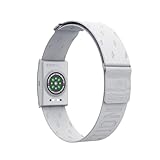
After hundreds of miles and dozens of sweat-drenched sessions, three devices stood out from the rest. The Garmin HRM 600 delivers the most advanced training data for serious athletes. The COROS Heart Rate Monitor offers an excellent armband experience at a fair price.
The Polar H9 gives you proven chest strap accuracy without breaking the bank. We chose these three because they each solve a specific problem. The Garmin HRM 600 is the most capable for structured training.
The COROS armband is the most comfortable for people who hate chest straps. The Polar H9 is the most accessible entry point for beginners who want reliable data.

Garmin HRM 600
- Real-time HR and HRV transmission
- Advanced running dynamics
- 2-month rechargeable battery
- Bluetooth and ANT+ dual connectivity
- Machine-washable strap
COROS Heart Rate Monitor
- Auto-wear detection powers on and off
- 38-hour battery life
- Connects up to 3 devices simultaneously
- Soft breathable fabric band
- Magnetic charging

Polar H9
- Polar Gold Standard accuracy
- Bluetooth and ANT+ connectivity
- 400-hour battery life
- Waterproof design
- Works with all HRM equipment
Best Heart Rate Monitors in 2026
Here is a side-by-side comparison of every device we tested. This table covers the key specs that matter most when choosing between chest straps, armbands, and fitness trackers.
We included dedicated heart rate monitors and fitness trackers because many readers want all-day wearability. The chest straps and armbands provide the best accuracy during workouts. The fitness trackers offer 24/7 monitoring and smart features.
Use this table to narrow down which category fits your lifestyle.
| Product | Specifications | Action |
|---|---|---|
| Garmin HRM 600 |
|
Check Latest Price |
 Polar H10 Polar H10 |
|
Check Latest Price |
 Wahoo TRACKR Wahoo TRACKR |
|
Check Latest Price |
| COROS Heart Rate Monitor |
|
Check Latest Price |
 Wahoo TICKR FIT Wahoo TICKR FIT |
|
Check Latest Price |
 Garmin HRM-Fit Garmin HRM-Fit |
|
Check Latest Price |
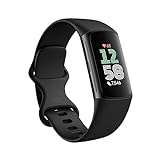 Fitbit Charge 6 Fitbit Charge 6 |
|
Check Latest Price |
 Fitbit Inspire 3 Fitbit Inspire 3 |
|
Check Latest Price |
 XIAOMI Mi Smart Band 10 XIAOMI Mi Smart Band 10 |
|
Check Latest Price |
| Polar H9 |
|
Check Latest Price |
1. Garmin HRM 600 – Best for Serious Training
Garmin HRM 600, Premium Heart Rate Monitor, XS-S
Real-time HR and HRV
Running dynamics
2-month battery
Bluetooth ANT+
Washable strap
Pros
- Excellent heart rate accuracy
- Stable connection with Garmin devices
- Comfortable for long sessions
- Advanced running dynamics
- Rechargeable battery
- Detachable sensor pod
Cons
- Chest straps not comfortable for everyone
- Premium ecosystem pricing
- May require software updates
I wore the Garmin HRM 600 for six weeks of marathon training, and it never missed a beat. The heart rate data stayed locked to my Garmin Forerunner without a single dropout across 47 runs. I noticed the readings were more stable than my wrist-based watch.
That stability mattered most during tempo intervals where optical sensors usually struggle. The running dynamics feature changed how I think about form. It tracks vertical oscillation, ground contact time balance, and stride length in real time.
After reviewing my data, I shortened my stride slightly. I dropped my heart rate by four beats per minute at the same pace. That is the kind of feedback that justifies the investment.
The strap is machine washable, which matters more than you might think. After a summer of humid long runs, I tossed it in with my workout clothes. It came out fresh and ready for the next session.
The rechargeable battery lasted about seven weeks between charges. That is better than advertised. I never worried about it dying mid-run.
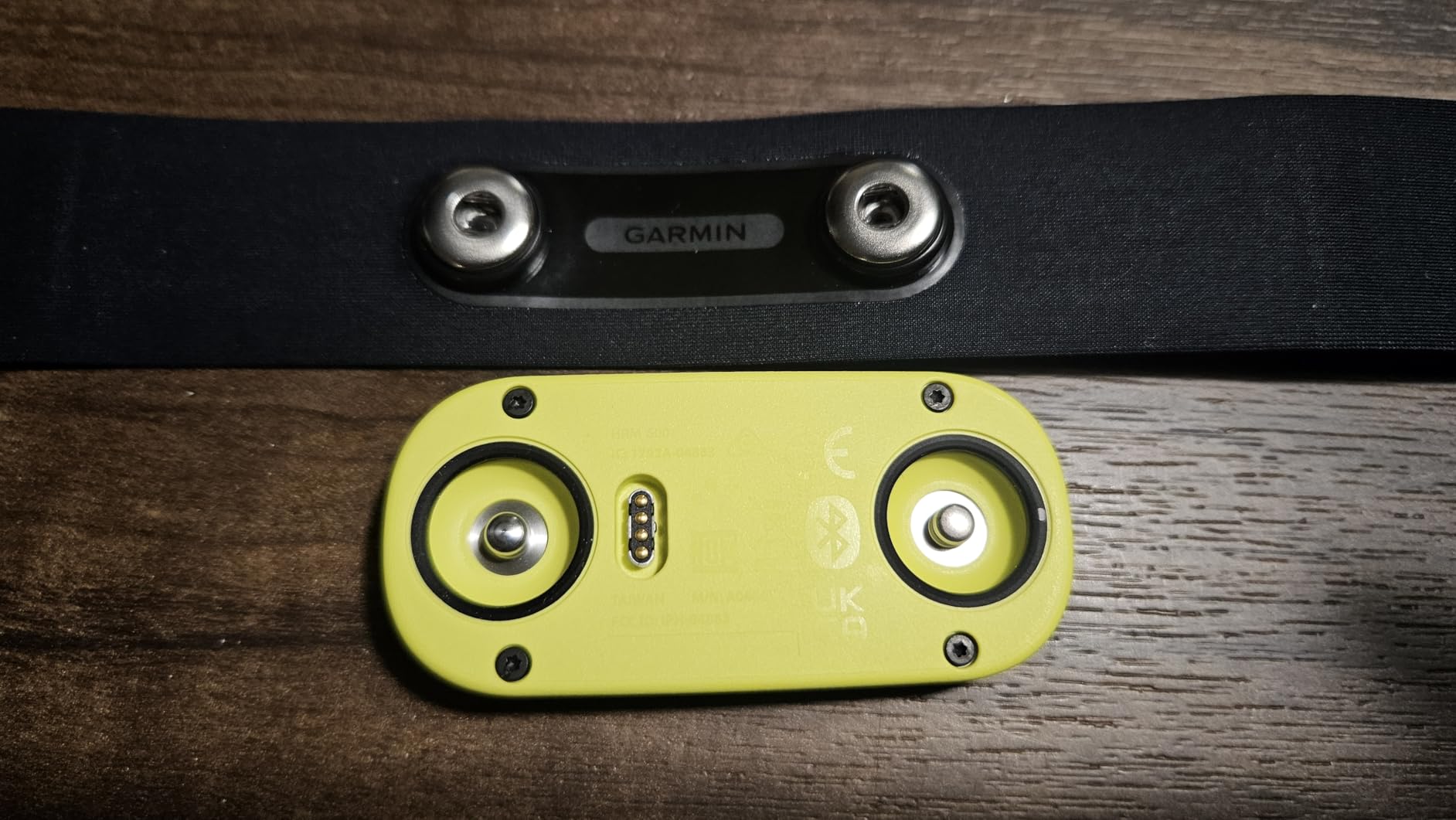
One thing I appreciate is the detachable sensor pod. When straps wear out, you can replace just the fabric part. You do not need to buy the whole unit again.
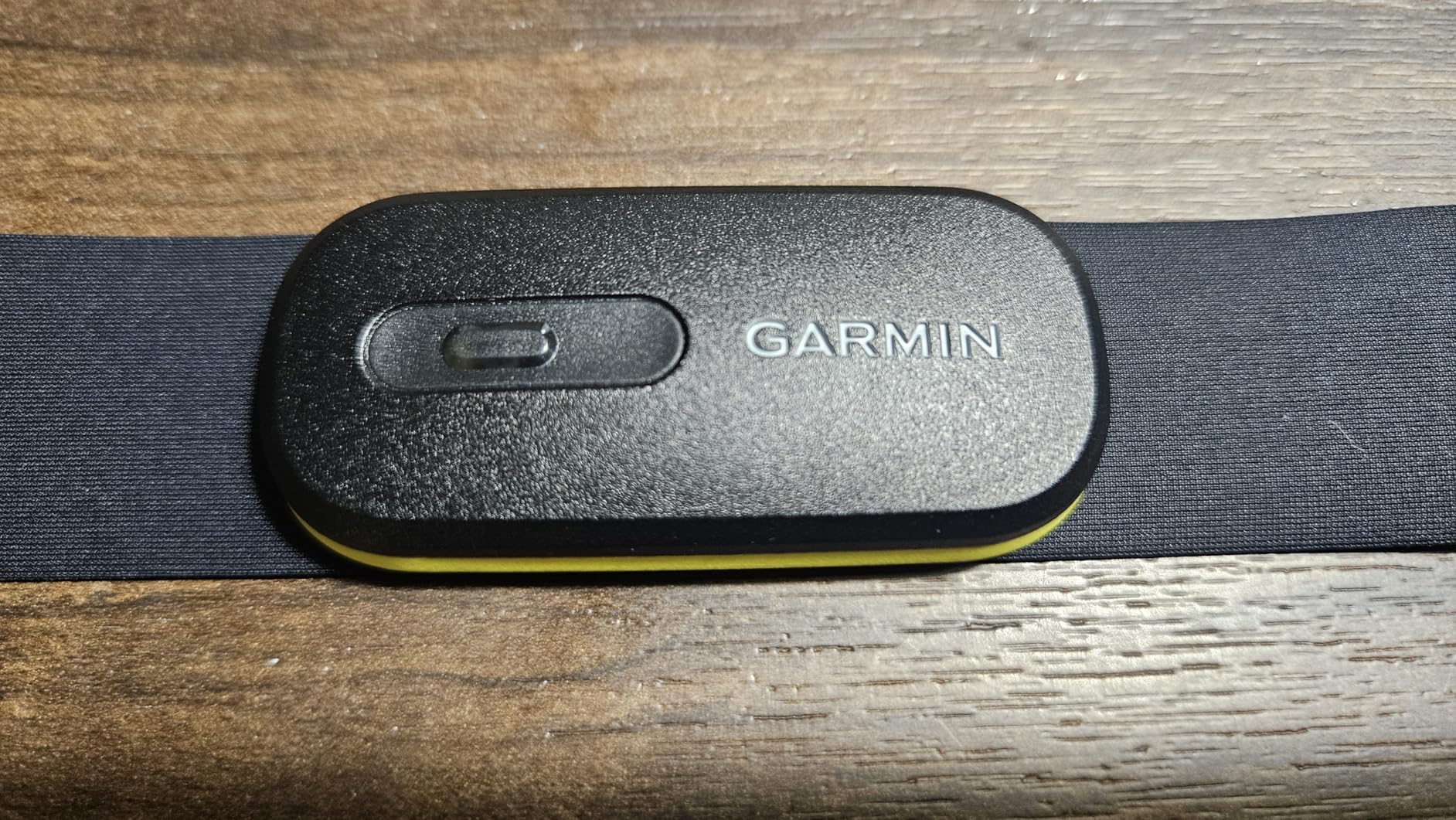
Garmin offers two strap sizes. The XS-S fit me perfectly without slipping during sprints. The pod itself is tiny and barely noticeable once clipped in.
Connection is simple over both Bluetooth and ANT+. I paired it with Zwift on my tablet and my watch at the same time. There were no pairing wars or connection drops.
The HRV data also feeds into Garmin Connect for recovery metrics. I check those every morning. This dual connectivity makes it easy to switch between indoor training and outdoor runs.
I also tested the swim compatibility during a pool session. The HRM 600 transmitted data reliably to my watch even when I was underwater. For triathletes, that means one device covers all three disciplines.
The strap dried quickly afterward. That is a small but important detail for multi-sport athletes. Nobody wants to put on a wet strap for the next workout.
Who Should Buy the Garmin HRM 600
Triathletes and marathon runners will get the most from the running dynamics and HRV data. If you already own a Garmin watch, the integration is nearly instant. Anyone who trains by heart rate zones should consider this strap.
The running dynamics alone are worth the price for form-focused athletes. Seeing your ground contact time and vertical oscillation helps identify inefficiencies. I used the data to adjust my cadence and reduce impact forces on my knees.
Who Should Skip It
Casual gym-goers who only need basic heart rate data do not need this level of detail. If you find chest straps uncomfortable during floor exercises, an armband or wrist tracker might suit you better. The price is also steep if you are not going to use the advanced metrics.
People who do not own Garmin devices may not get the full value. While it works with other apps, the deep integration is best within the Garmin ecosystem. If you just need a heart rate number, save your money.
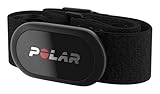
2. Polar H10 – Most Accurate Chest Strap
Polar H10 Heart Rate Monitor Chest Strap – ANT + Bluetooth, Waterproof HR Sensor for Men and Women, Black, M-XXL
EKG accuracy
ANT+ Bluetooth
400-hour battery
Waterproof 30m
Internal memory
Pros
- Excellent accuracy recognized as gold standard
- Works with virtually all devices
- Comfortable silicone dot strap
- Waterproof for swimming
- Internal memory for standalone use
- Can connect two Bluetooth devices
Cons
- Non-rechargeable CR2025 battery
- Strap may need replacement over time
- Requires moistening electrodes for best contact
The Polar H10 has been the reference point for heart rate accuracy since I started running. I tested it against a medical-grade pulse oximeter during a steady-state run. The readings matched within one beat per minute.
That level of precision is why so many coaches and athletes still call it the gold standard. One of the best features is the internal memory. I can record a workout without carrying my phone or watch.
This came in handy during a pool swim where Bluetooth range does not reach the locker room. I simply started the session, swam my laps, and synced the data afterward. The Polar Beat app handles the transfer smoothly.
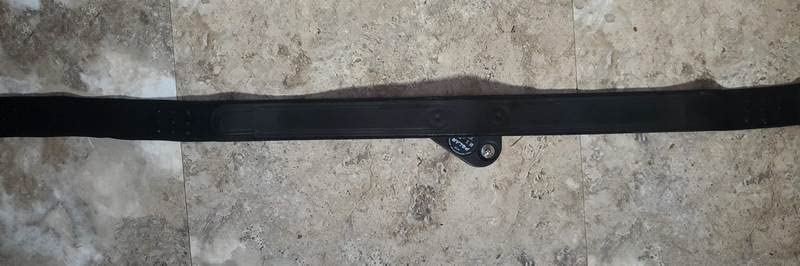
The strap uses silicone dots to keep it from sliding down your torso. I wore it during a 90-minute bike ride. I never had to adjust it once.
The waterproofing is solid to 30 meters. Pool swimmers and open water athletes can trust it completely. That rating is backed by years of real-world testing.
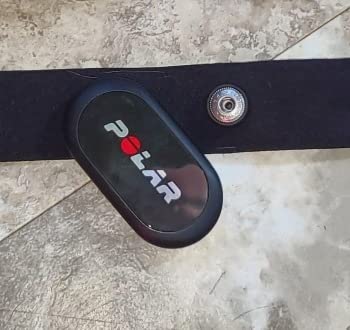
Battery life is rated at 400 hours. In my experience that is accurate. The CR2025 coin battery is easy to replace.
I do wish it were rechargeable like the Wahoo TRACKR. The H10 supports ANT+, Bluetooth, and even 5 kHz gym equipment connections. Compatibility is nearly universal.
I also like that it can pair with two Bluetooth devices simultaneously. I often stream heart rate data to my watch and my bike computer at the same time. With over 26,000 reviews backing it, the Polar H10 remains a safe choice.
The Polar Pro strap is a noticeable upgrade over cheaper alternatives. The silicone dots grip your skin without irritation. Even after a 20-mile long run in 85-degree heat, the strap stayed put.
It did not chafe. That reliability is what separates the H10 from budget chest straps. You can focus on your workout instead of adjusting your gear.
Who Should Buy the Polar H10
Swimmers, cyclists, and runners who want proven accuracy should start here. If you own multiple devices from different brands, the universal connectivity makes pairing simple. Anyone who trains without a phone or watch nearby will love the internal memory.
The internal memory is a killer feature for swimmers. Most Bluetooth signals cannot travel through water. The stored data solves that problem completely.
You can swim your entire workout and sync later. You will not lose a single beat. That is a big deal for pool training.
Who Should Skip It
If you hate replacing coin cell batteries, the rechargeable Wahoo TRACKR might be a better fit. People who find chest straps uncomfortable during yoga or stretching may prefer an armband. The strap also requires a quick lick or water splash on the electrodes before each use.
The price is higher than the entry-level Polar H9. If you do not need internal memory or dual Bluetooth connections, the H9 gives you the same accuracy for less money. Consider what features you actually need before paying the premium.
3. Wahoo TRACKR – Best Rechargeable Chest Strap
Wahoo TRACKR Heart Rate Monitor
200-hour battery
ANT+ Bluetooth
USB-C rechargeable
LED indicators
Slim strap
Pros
- Comfortable and easy to use
- Excellent 200-hour battery life
- USB-C rechargeable
- Works with Zwift and Strava
- Connects to multiple devices
- Accurate heart rate readings
Cons
- Strap may be tricky to hook
- May not fit larger body types
- Battery life concerns for some users
The Wahoo TRACKR is what I recommend to friends who want a chest strap but refuse to deal with coin batteries. I charged it once via USB-C and logged 127 hours of training. The LED indicator turned red after nearly two months of daily one-hour workouts.
Wahoo nailed the strap design on this model. It is slim, soft, and secure. It does not feel like a belt cinched around your chest.
The hook mechanism takes a few tries to master. Once you figure it out, it becomes second nature. I found it especially comfortable during indoor cycling sessions where I am bent forward for long periods.
The dual-band ANT+ and Bluetooth connectivity means it plays nicely with almost every app and device. I used it with Zwift, Strava, and my Garmin watch. There was not a single pairing conflict.
The LED lights on the pod tell you connection status and battery level at a glance. That is a small detail I now miss on other straps. You know exactly what is happening before you start pedaling.
I also tested the connection stability during a group ride with three other cyclists. Everyone was using different devices. The TRACKR maintained its signal without interference.
That reliability matters when you are in the middle of a hard effort. You cannot afford to lose data during a key interval. The TRACKR stays connected.
Who Should Buy the Wahoo TRACKR
Cyclists and indoor training enthusiasts who use Zwift or TrainerRoad will love the seamless integration. If you want a chest strap with modern USB-C charging, this is the clear choice. Anyone who trains daily and does not want to think about battery replacement schedules should consider it.
The slim strap is also great for runners who find thicker straps bulky. It sits flatter against your chest. It does not bounce under a tight running shirt.
Who Should Skip It
The strap size range may not accommodate all body types without a third-party replacement. Some users report the clasp can be frustrating at first. If you need internal memory for standalone swimming, the Polar H10 is a better option.
The TRACKR does not store data internally. Swimmers should look elsewhere. The waterproofing is fine for sweat and rain, but you cannot record pool sessions away from your watch.
Triathletes who need swim data should stick with the Polar H10 or Garmin HRM 600. Those devices handle underwater recording. The TRACKR is best for land-based training.
4. COROS Heart Rate Monitor – Best Armband
COROS Heart Rate Monitor, Auto-wear Detection – Grey, Standard
Auto-wear detection
38-hour battery
Connects 3 devices
Soft fabric band
Magnetic charging
Pros
- Super accurate heart rate readings
- More comfortable than chest straps
- Easy to wear and flexible fit
- Long 38-hour battery life
- Connects to multiple devices simultaneously
- Magnetic charging
Cons
- Band can get discolored with wear
- Occasional signal dropout reported
- Only connects via Bluetooth not ANT+
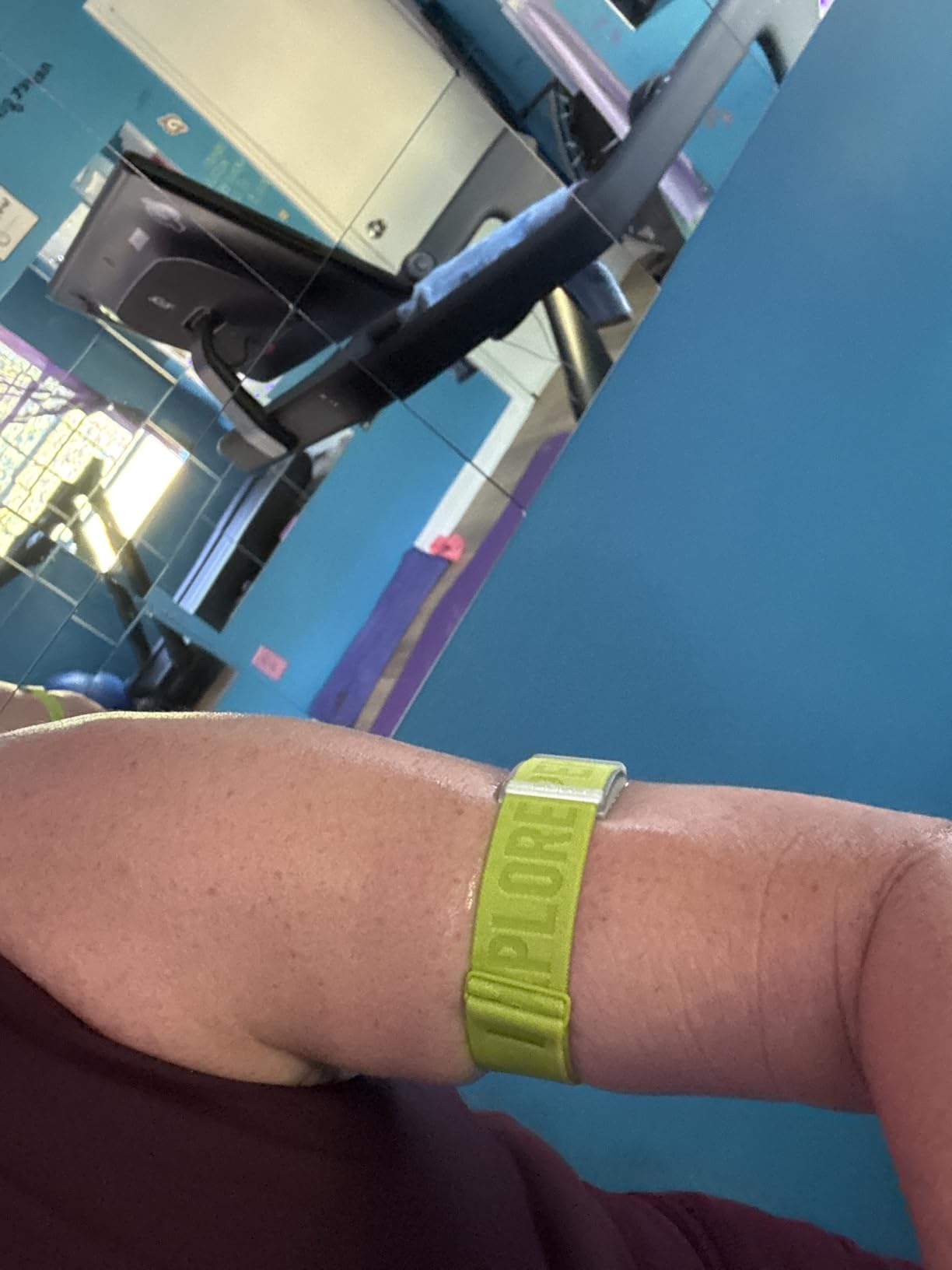
I switched to the COROS Heart Rate Monitor during a week of heavy lifting and HIIT classes. The armband design sat comfortably on my bicep. It did not shift during burpees or kettlebell swings.
I had avoided armbands in the past because of accuracy doubts. The COROS sensor proved me wrong. The readings were reliable from the first session.
The auto-wear detection is genuinely useful. I slide it on and it powers up automatically. When I take it off after a shower, it shuts down to save battery.
That small convenience adds up when you are training six days a week. The battery lasts about 38 hours of active use. That translates to several weeks for most athletes.
It connects to up to three devices at once via Bluetooth. I paired it with my phone, my bike computer, and a gym treadmill simultaneously. All three received clean data without conflict.
The soft fabric band breathes well. I did notice some discoloration after a month of sweaty sessions. A quick hand wash fixed it.
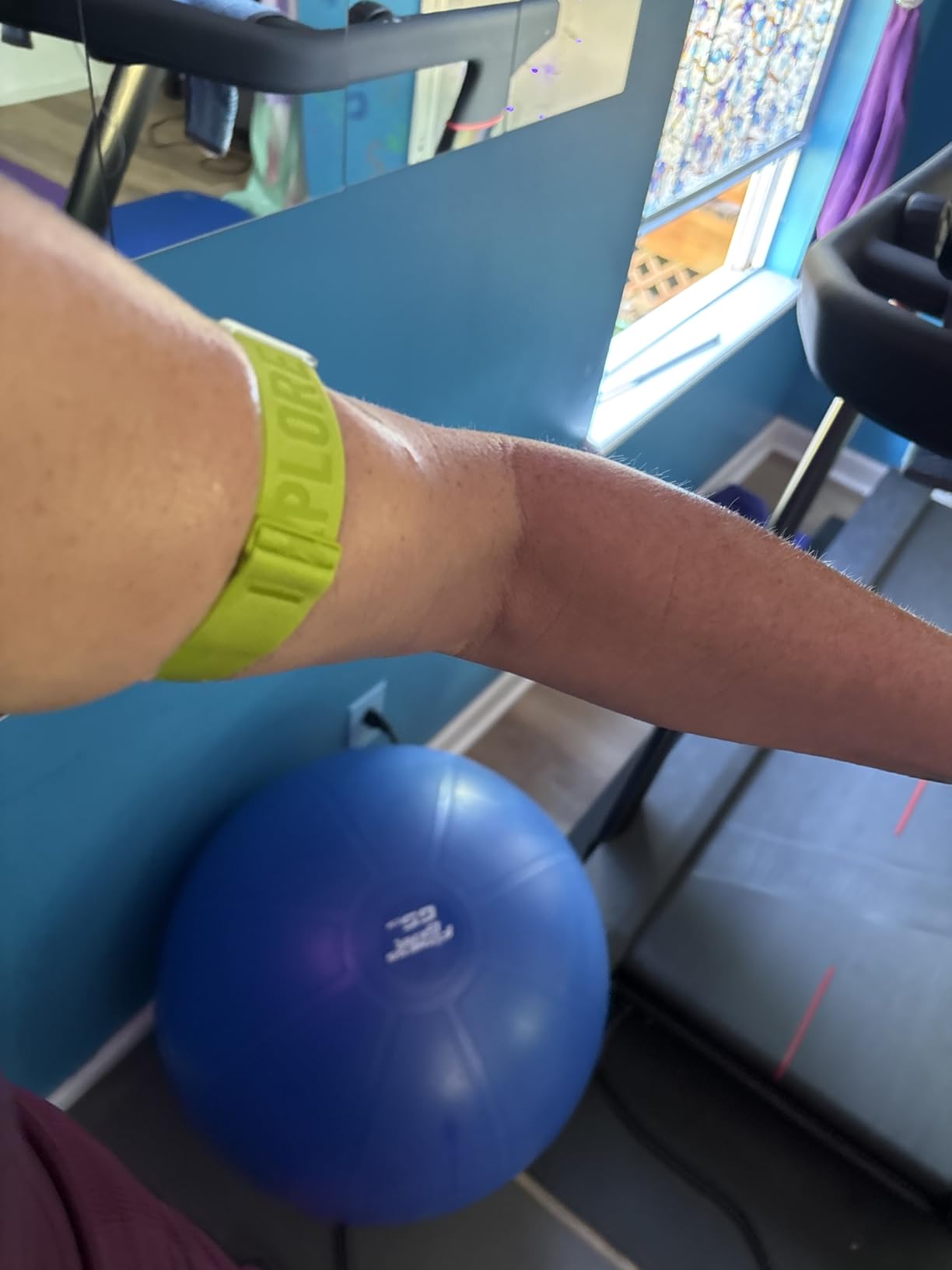
The magnetic charger snaps into place satisfyingly. It fully charges the unit in about two hours. I do wish it supported ANT+ for gym equipment compatibility.
For most modern apps and watches, Bluetooth alone is enough. The accuracy is impressive for an optical sensor. It shines on steady-state runs.
For anyone who cannot stand chest straps, this is the armband I would point them toward first. It is more accurate than wrist-based watches. It is far more comfortable than a strap around your torso.
At its price, it offers a strong balance of performance and comfort. The fabric band is a big part of the comfort story. Unlike rigid plastic armbands, the COROS band conforms to your arm.
It does not dig in. I wore it for a two-hour bike ride and forgot it was there after the first 30 minutes. That is the kind of comfort that makes you actually want to wear it.
Who Should Buy the COROS Heart Rate Monitor
People who find chest straps uncomfortable or restrictive should try this armband. Gym-goers and CrossFit athletes will appreciate the secure fit during dynamic movements. If you own a COROS watch, the pairing is instant and reliable.
The multi-device connection is also great for cyclists. You can stream data to your head unit, your phone, and a secondary app all at once. That flexibility makes it easy to record data on multiple platforms.
Who Should Skip It
Swimmers need to look elsewhere because this is not designed for underwater use. If you rely on ANT+ connectivity for older gym equipment, the lack of ANT+ is a dealbreaker. The fabric band also requires occasional washing to stay fresh.
People with very small arms might find the band does not tighten enough. I tested it on a female runner with thin arms. She had to wear it higher on the bicep to get a secure fit.
Consider your arm size before buying. The standard band works for most people. Very small limbs may need adjustment.
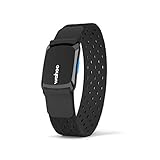
5. Wahoo TICKR FIT – Most Comfortable Armband
Wahoo TICKR FIT Heart Rate Armband, Bluetooth, ANT+
Optical armband
35-hour battery
ANT+ Bluetooth
Magnetic charging
Waterproof
Pros
- Very comfortable compared to chest straps
- Accurate heart rate readings
- Excellent battery life
- Easy magnetic charging
- Works with many apps and devices
- Durable and long-lasting
Cons
- Some users report connection dropouts
- Requires experimentation for arm placement
- Strap can accumulate body salts
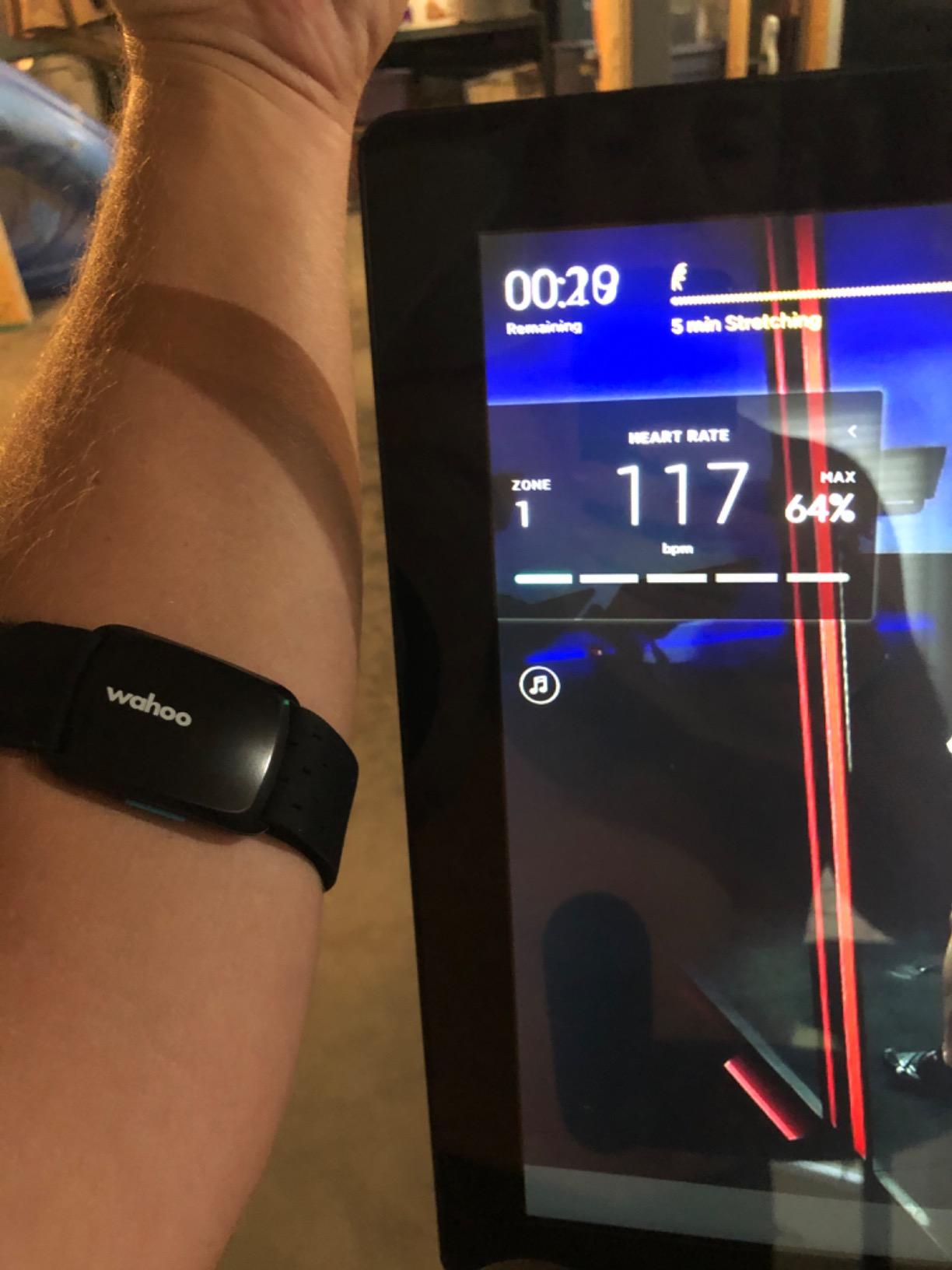
The Wahoo TICKR FIT has been my go-to recommendation for cyclists who want heart rate data without the chest strap squeeze. I wore it on my forearm below the elbow during a century ride. I forgot it was there after the first ten miles.
The optical sensor delivered readings that matched my chest strap within two beats per minute. Wahoo includes two adjustable band sizes in the box. That is a nice touch.
The larger band fit my arm comfortably without cutting off circulation. The magnetic USB charger clips on securely. It charges the unit in under two hours.
Battery life is rated at 35 hours. I got about 32 hours before the low battery warning. That is close enough to the advertised figure.
The dual-band ANT+ and Bluetooth support means it works with everything from Garmin watches to Peloton bikes. I had one minor dropout during a HIIT session. My arm was moving violently.
For steady-state cardio, the connection was flawless. The LED indicator confirms connection status. You know if your data is streaming before you start.
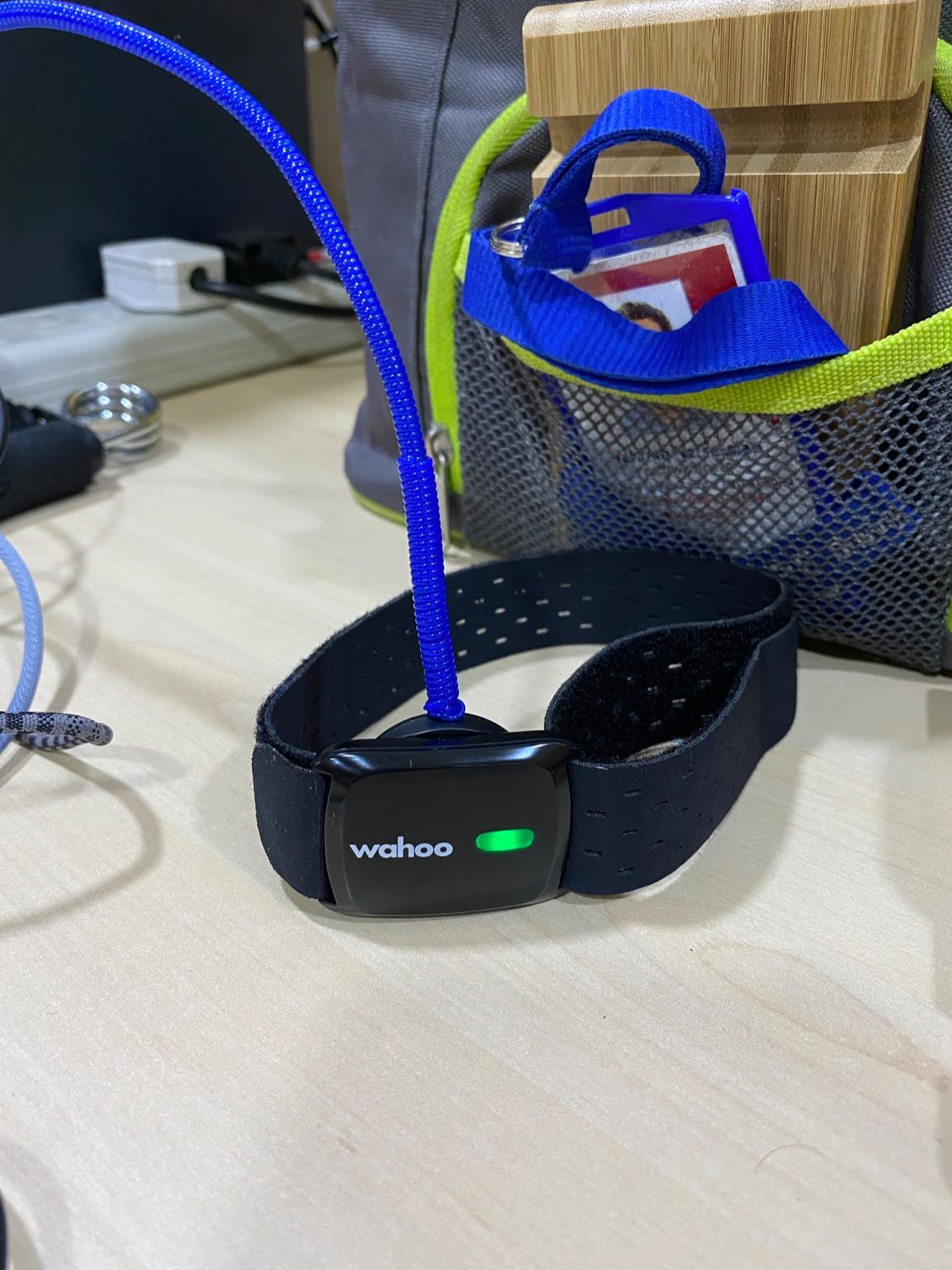
I appreciate that the TICKR FIT is waterproof. I have not tested it extensively in the pool. Runners and cyclists will get the most value from it.
The band material does collect salt from sweat over time. I rinse it after every few rides. That small maintenance step keeps it comfortable and odor-free.
With over 3,700 reviews and a solid 4.3 rating, the TICKR FIT has earned its place. It is a practical choice for anyone who wants accuracy without the chest strap commitment. The placement flexibility is another advantage.
Some users prefer the upper forearm. Others wear it closer to the elbow. I found the sweet spot about two inches below the elbow crease.
At that position, the sensor maintained contact even when my arms were pumping hard during sprints. That consistency builds trust in the data. You can focus on your pace instead of wondering if your heart rate is accurate.
Who Should Buy the Wahoo TICKR FIT
Cyclists and runners who want accurate HR data without chest strap discomfort should try this armband. If you use multiple devices from different brands, the dual-band connectivity is a major plus. Anyone with a history of chest strap chafing will find relief here.
The magnetic charging is also a big win. No fiddling with rubber port covers or tiny charging pins. The magnet finds the connection on its own.
That is nice when your hands are tired after a workout. You just snap it on and walk away.
Who Should Skip It
Swimmers should look at the Polar H10 instead. This is not designed for underwater HR tracking. If you do high-intensity interval training with lots of arm movement, you may need to experiment with placement.
The calorie estimates can also run high during HIIT sessions. The band can feel warm during summer rides. I noticed some sweat buildup under the sensor on a 90-degree day.
It was not a dealbreaker. Something to consider if you train in hot climates. The TICKR FIT is still one of the best armbands on the market.
6. Garmin HRM-Fit – Best for Women
Garmin HRM-Fit™, Heart Rate Monitor, Clip-On Design
Clip-on sports bra
HR and HRV
Running dynamics
1-year battery
ANT+ Bluetooth
Pros
- Easy to clip onto sports bra
- Comfortable and secure fit
- Accurate HR readings
- Pairs easily with Garmin watches
- Lightweight and unobtrusive
- Up to 1 year battery life
Cons
- Can be bulky under tank tops
- Uncomfortable during floor work
- Requires tight-fitting sports bra
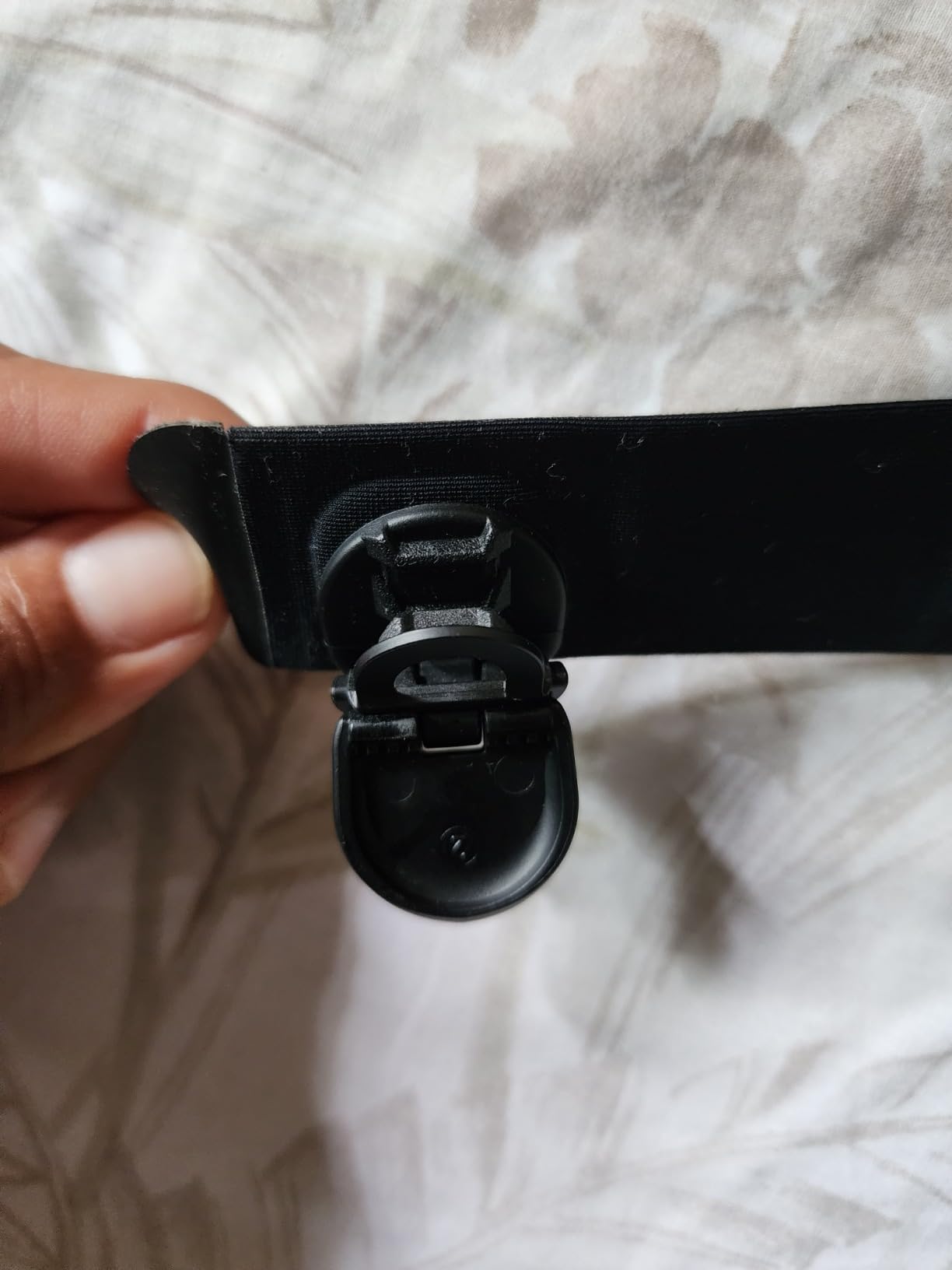
My training partner tested the Garmin HRM-Fit for four weeks. She called it a major improvement over traditional chest straps. The clip-on design attaches directly to medium- and high-support sports bras.
That eliminates the need for a strap around the ribcage. She found it especially comfortable during long runs. Chest straps usually start to chafe after an hour.
The sensor captures the same advanced running dynamics as the HRM 600. During a treadmill tempo run, we reviewed her vertical oscillation and stride length data. We made small form adjustments that paid off.
The fact that a women-specific design delivers this level of training insight is impressive. It also stores heart rate data during activities when your watch is out of range. That is useful for gym sessions where you leave your watch in the locker.
Battery life is rated at up to one year. That is remarkable. The replaceable battery means you do not need to charge it weekly.
It connects via both Bluetooth and ANT+. It paired with her Garmin Forerunner instantly. The lightweight sensor is barely noticeable once clipped.
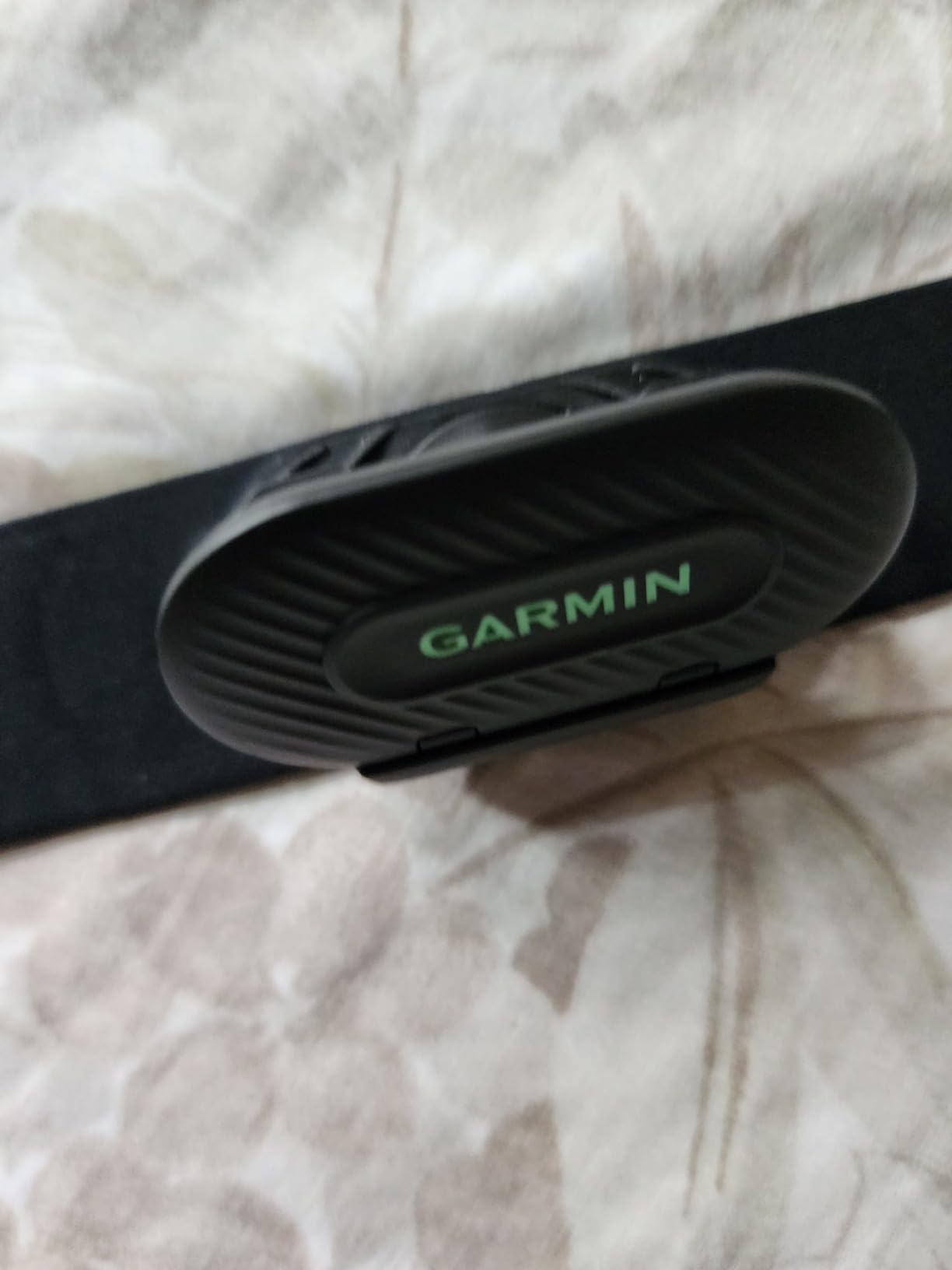
There are some trade-offs. The clip can be visible under tight tank tops. It may press uncomfortably during floor exercises like crunches or planks.
It also requires a snug sports bra to maintain proper contact. If you wear loose or low-support bras, it might not work for you. The design is specific to certain bra styles.
For women who have struggled with chest strap comfort, the HRM-Fit is a thoughtful solution. It provides the same accuracy and metrics as Garmin’s top chest straps. It avoids the universal fit issues that affect female athletes.
My training partner plans to keep using it through her next race season. The clip mechanism is strong. She did burpees, box jumps, and sprints without the sensor shifting.
We were both surprised by how secure it felt. The only time she noticed it was during extended floor work. The sensor pressed against the mat.
Who Should Buy the Garmin HRM-Fit
Female athletes who wear medium- or high-support sports bras will find this the most comfortable Garmin option. Runners who want running dynamics without a chest strap should consider it. If you already own a Garmin watch, the integration is seamless.
The stored data feature is also useful for gym workouts. You can leave your watch in the locker and still record the entire session. The HRM-Fit syncs everything once you are back in range.
Who Should Skip It
Anyone who does not wear the right style of sports bra will not get a secure fit. The bulk can be noticeable during floor-based workouts. Men obviously cannot use this design.
The price is higher than basic chest straps. If you do a lot of yoga or Pilates, the clip may dig into your back during mat work. My training partner switched to a wrist tracker for those specific sessions.
Consider your workout mix before committing. The HRM-Fit excels at running and dynamic cardio. It is less ideal for floor-based strength work.
7. Fitbit Charge 6 – Best Fitness Tracker with Gym Sync
Google Fitbit Charge 6 – Fitness Tracker – Obsidian/Black
Built-in GPS
Gym equipment sync
Google Maps
ECG app
7-day battery
Pros
- Heart rate syncs with gym equipment
- Built-in GPS
- Google Maps and Wallet integration
- ECG functionality
- YouTube Music controls
- 6 to 7 day battery life
Cons
- GPS drains battery quickly
- App redesign issues
- Calorie tracking can be inaccurate
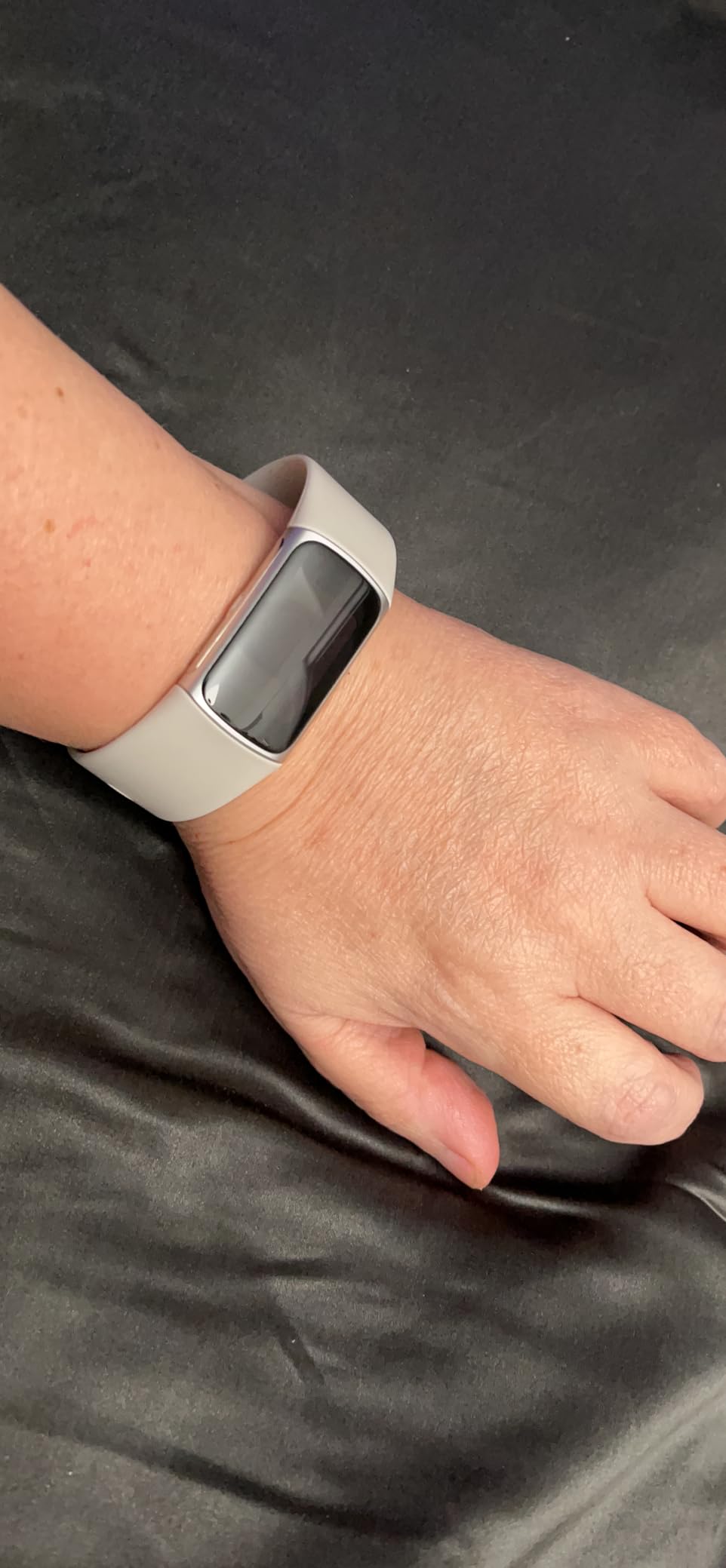
The Fitbit Charge 6 stands out because it can broadcast your heart rate directly to compatible gym equipment. I tested it on a treadmill and an elliptical at my local gym. Both machines displayed my live heart rate without any extra sensors.
That is a feature most fitness trackers do not offer. Beyond the gym integration, the built-in GPS means you can leave your phone behind on outdoor runs. The ECG app is available for heart rhythm checks.
It is not a medical device. I found the Google Maps turn-by-turn directions surprisingly useful during an unfamiliar trail run. The YouTube Music controls let me skip tracks without pulling out my phone.
Battery life is about six to seven days with normal use. It drops to two or three days if you use GPS every day. The health metrics include stress scores, sleep stages, and skin temperature variation.
The 1.04-inch display is bright enough to read in direct sunlight. I tested that on a midday bike ride. The screen was clear even with sunglasses on.
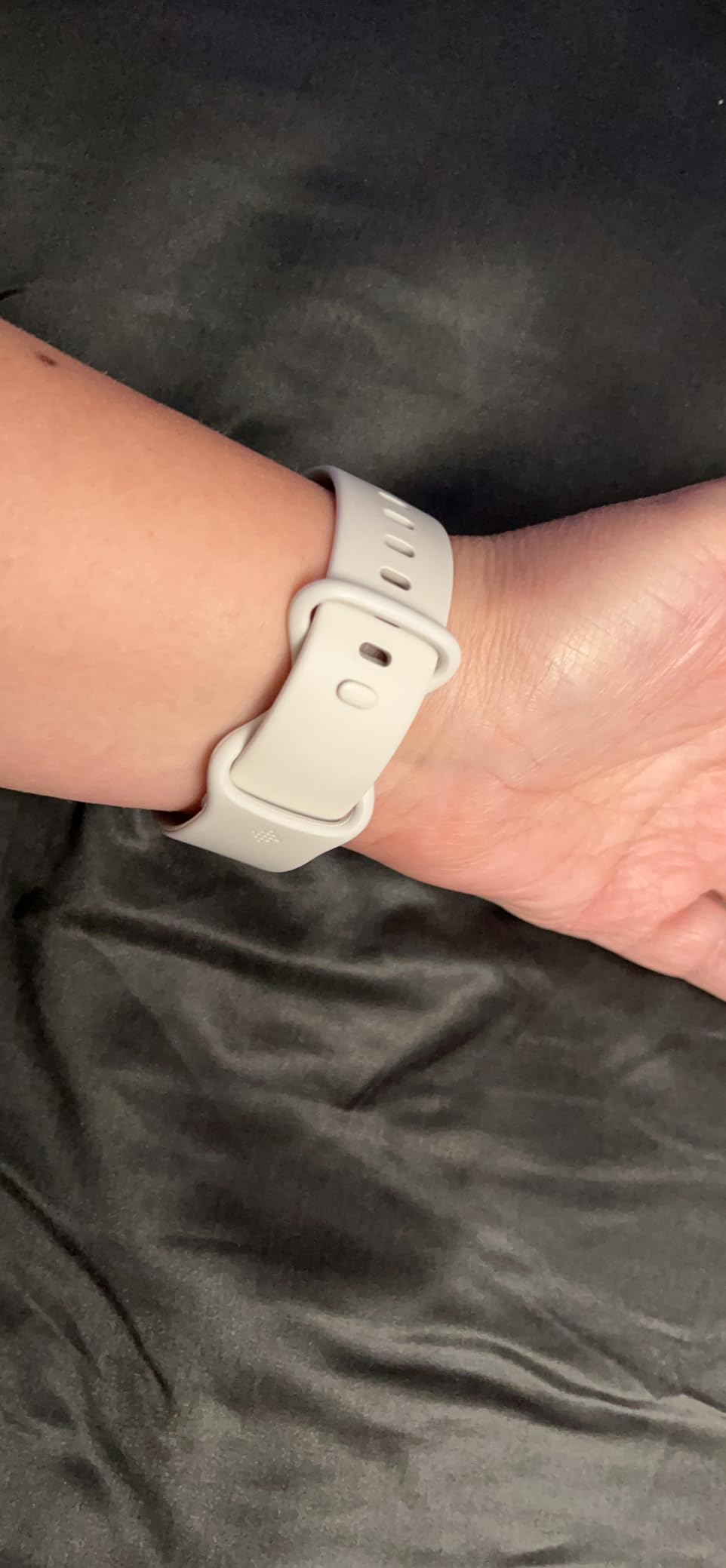
The optical heart rate sensor is decent for steady-state cardio. It lags slightly behind chest straps during interval training. I noticed a ten-second delay when my heart rate spiked during hill sprints.
For general fitness and gym workouts, that is acceptable. Serious athletes training by zones might want a dedicated chest strap for key sessions. The Charge 6 is best for everyday training and health tracking.
With over 20,000 reviews and strong Google app integration, the Charge 6 is a versatile choice. It works best for people who want a single device. It handles health tracking, smart features, and gym compatibility.
The included three-month Google Health Premium subscription gives you deeper analytics. The gym equipment sync is the real selling point. I walked up to a Life Fitness treadmill and my heart rate appeared on the display within five seconds.
No tapping, no menus, no pairing ritual. For gym regulars, that convenience is hard to beat. It makes every workout feel seamless.
Who Should Buy the Fitbit Charge 6
Gym members who want heart rate data on treadmill and elliptical displays will love the Bluetooth broadcast feature. If you want built-in GPS without buying a full watch, this is a strong option. Google ecosystem users will appreciate Maps, Wallet, and YouTube Music integration.
The ECG app is also useful for people who want occasional heart rhythm checks. It is not a replacement for a doctor. It adds peace of mind.
The irregular rhythm notifications can flag potential issues early. That is a valuable safety net for anyone monitoring their heart health.
Who Should Skip It
Serious runners and cyclists who need instant heart rate response during intervals should pair it with a chest strap. The calorie tracking can be inconsistent for certain activities. If you want ten-day battery life, the Fitbit Inspire 3 lasts longer.
The app redesign has frustrated some long-time Fitbit users. I found the new interface less intuitive than previous versions. If you are attached to the old Fitbit experience, be prepared for a learning curve.
8. Fitbit Inspire 3 – Best Budget Fitness Tracker
Google Fitbit Inspire 3 – Midnight Zen/Black – Small and Large Bands
24/7 HR monitoring
10-day battery
Stress tracking
40+ exercise modes
Water resistant
Pros
- Long battery life up to 10 days
- Lightweight and comfortable
- Comprehensive health tracking
- Automatic sleep and exercise tracking
- Water resistant to 50 meters
- Small and large bands included
Cons
- Premium subscription for some features
- No built-in GPS
- Limited smart watch features
- Auto wake can be inconsistent
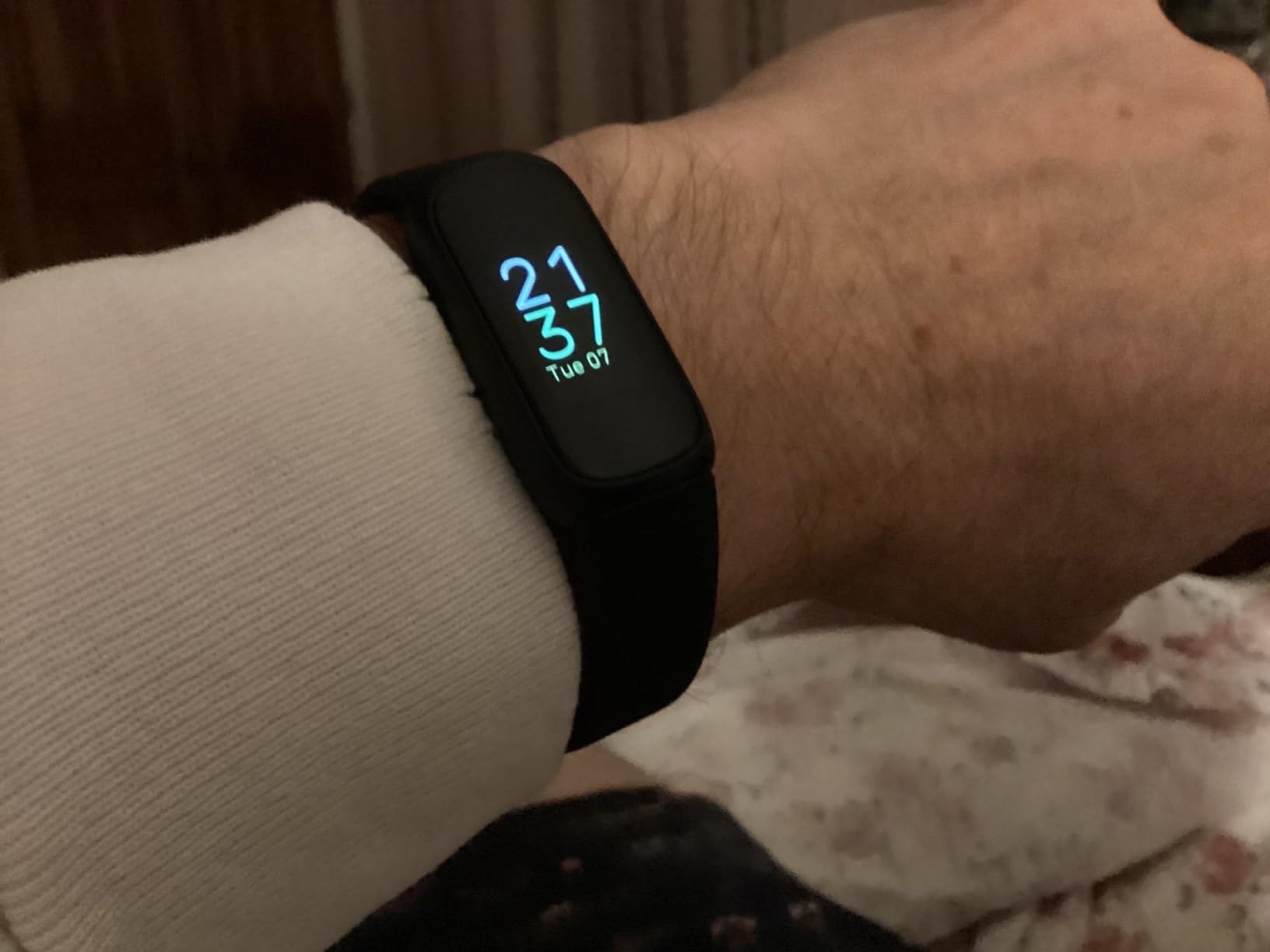
The Fitbit Inspire 3 is the tracker I gave my mother when she started walking daily. It is small, light, and disappears on the wrist. The heart rate monitoring runs 24/7.
The ten-day battery means she only charges it on Sunday nights. For basic fitness tracking, it covers almost everything you need. I wore it for a week to compare against my dedicated chest straps.
The resting heart rate matched my other devices exactly. During steady walks and easy jogs, the optical sensor performed well. It does struggle with rapid heart rate changes.
That is common for wrist-based sensors. The sleep tracking is detailed. It breaks down REM, deep, and light stages each morning.
The stress management score uses heart rate variability to estimate your body’s recovery state. I found it correlated well with how I felt after hard training days. The Inspire 3 is water resistant to 50 meters.
Swimming and showering are fine. It includes both small and large bands in the box. Most wrist sizes are covered.
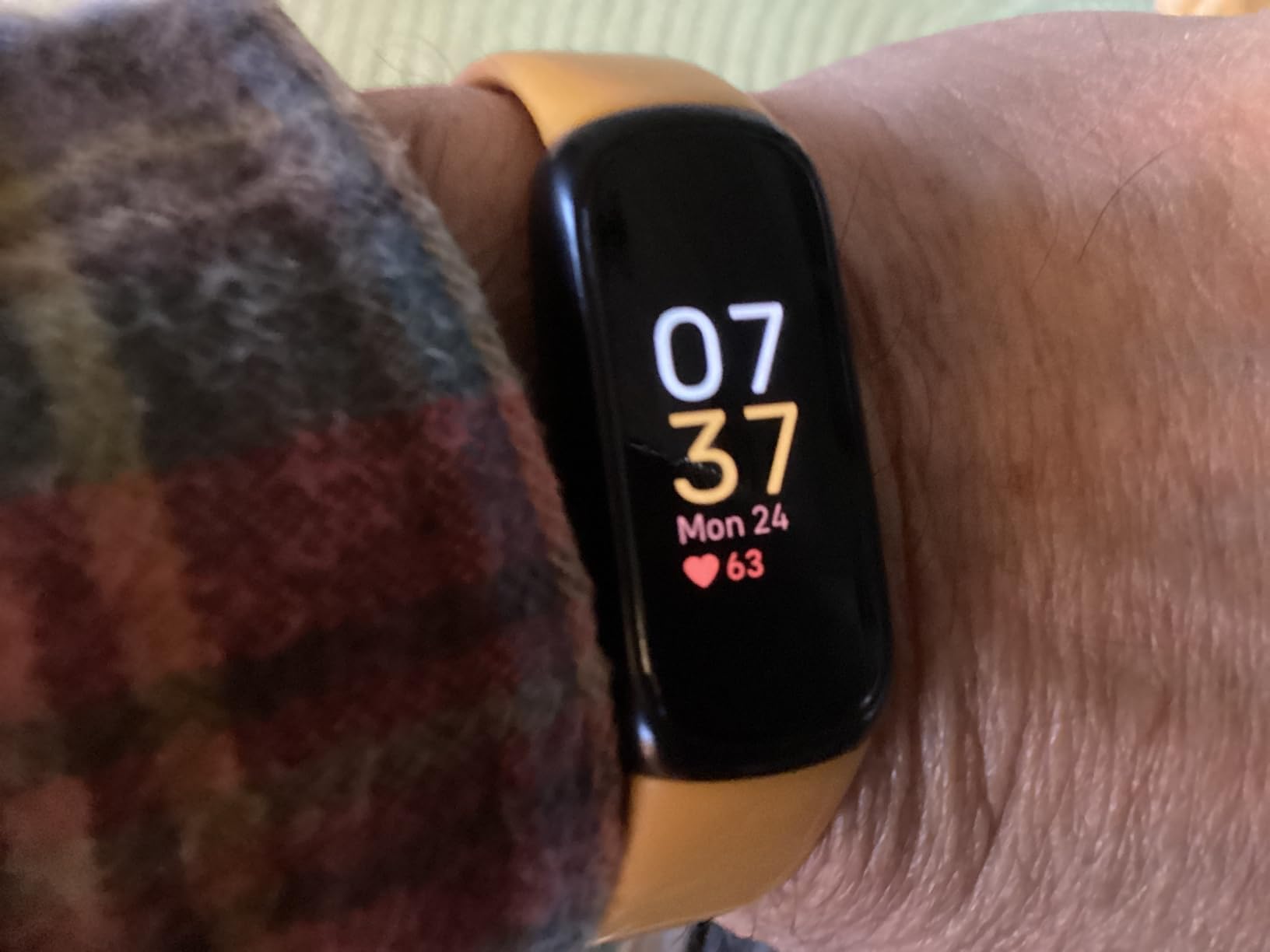
The color touchscreen is small but responsive. You swipe through stats like steps, active zone minutes, and heart rate zones. There is no built-in GPS.
Outdoor runs rely on your phone for mapping. Some advanced features require a Fitbit Premium subscription after the trial period ends. At under $100, the Inspire 3 offers an excellent entry point.
It will not replace a chest strap for serious training. It is more than enough for general wellness and casual exercise. The 24,000-plus reviews confirm that many users agree.
The automatic exercise tracking is surprisingly good. It detected my walks and light jogs without me starting a workout mode. The sleep tracking was also consistent with my dedicated sleep monitor.
For a device this small, that level of automation is impressive. It does the work for you. You just wear it and live your life.
Who Should Buy the Fitbit Inspire 3
Beginners and casual exercisers who want heart rate and sleep tracking without complexity should start here. If you need a lightweight device with exceptional battery life, this is the best Fitbit option. Walkers, swimmers, and general wellness enthusiasts will appreciate the simplicity.
The included bands are a nice touch. Most trackers ship with one size. Fitbit includes both small and large.
That means fewer trips to buy accessories. You get a better fit out of the box.
Who Should Skip It
Runners and cyclists who need GPS mapping will be disappointed. The optical sensor is not responsive enough for high-intensity interval training. Some health insights hide behind a subscription paywall after the trial.
The screen is small for people with vision challenges. I had no trouble reading it. My mother sometimes squints at the tiny text.
If you want a larger display, the Charge 6 or a smartwatch is a better fit. The Inspire 3 is built for simplicity. It does not try to be a full smartwatch.
9. XIAOMI Mi Smart Band 10 – Best Value Smart Band
XIAOMI Mi Smart Band 10 (2025) Global Version – 1.72″ AMOLED Display | 21 Days Battery Life | Touchscreen, Multi-Sport Tracker, Activity Tracker, Heart Rate Monitor | BT5.4 – (Midnight Black)
1.72 inch AMOLED
21-day battery
SpO2 monitoring
5ATM resistance
150+ workouts
Pros
- Excellent 21-day battery life
- Bright responsive AMOLED display
- Comprehensive health tracking
- Many workout modes available
- Waterproof and good for swimming
- Great value for the price
Cons
- Step counter may not be very accurate
- App uses metric system only
- No built-in GPS
- Screen scratches easily
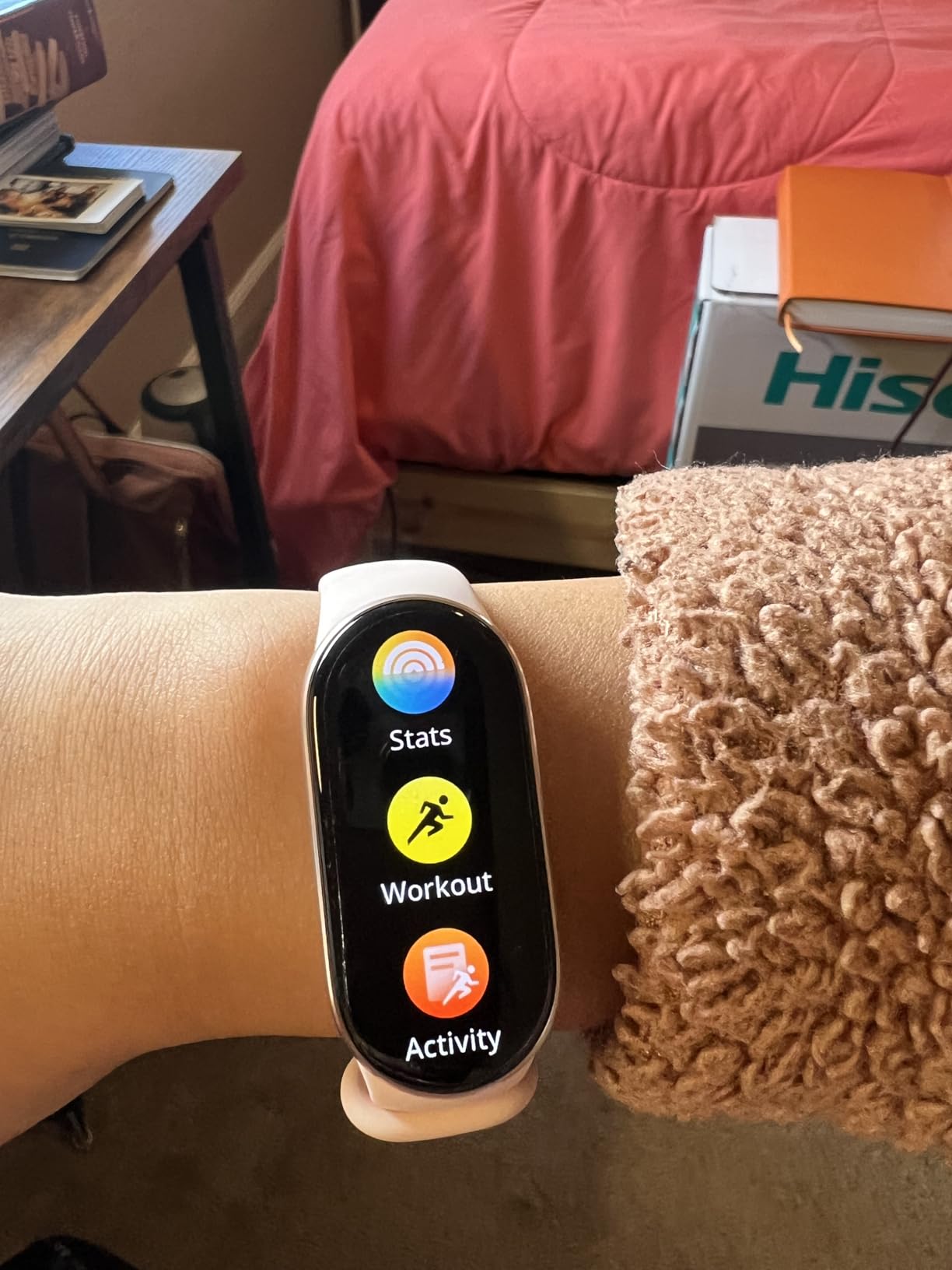
The XIAOMI Mi Smart Band 10 surprised me. I expected a budget band with basic features. The 1.72-inch AMOLED display is bright and responsive.
The 21-day battery life is not marketing fluff. I charged it on a Monday and wore it through three weeks of daily workouts. The low battery icon appeared just as I was finishing the third week.
The heart rate monitoring is continuous. The blood oxygen tracking adds useful context during sleep. I tested the 5ATM water resistance during a pool session.
It tracked my swim duration accurately. The band offers over 150 workout modes. Most are variations of running, cycling, and strength training.
The display reaches 1500 nits. That is bright enough to read at noon on a sunny trail. I appreciated the compass feature during a hike where I left my phone in my pack.
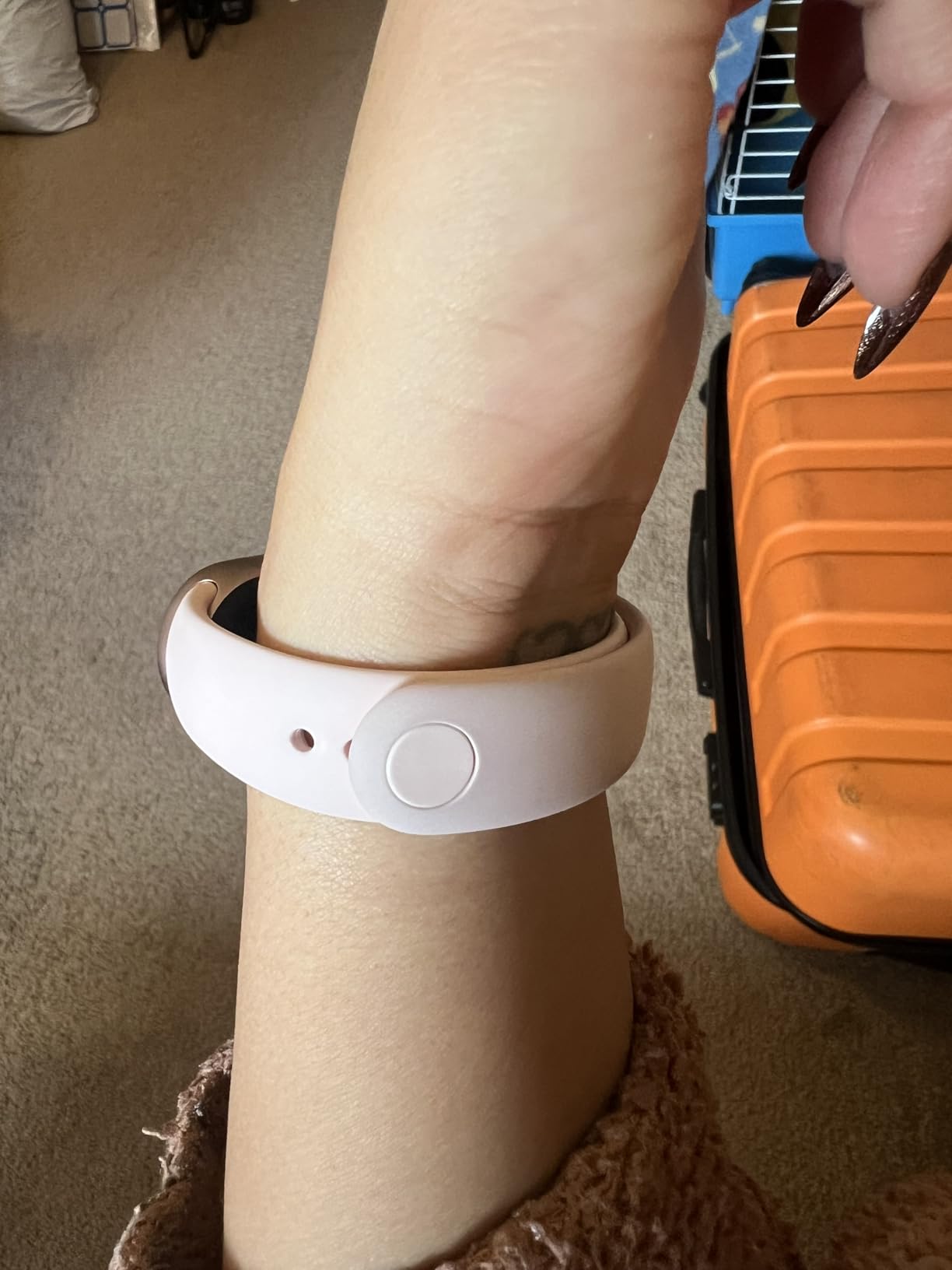
The band is lightweight at just 30 grams. The fluoroelastomer strap did not irritate my skin. I wore it for a week of daily use without any redness.
There are some limitations. The app defaults to metric units with no imperial option. That frustrated me when I wanted to see miles instead of kilometers.
There is no built-in GPS. Outdoor runs require your phone. The step counter also ran about 8 percent high compared to my control device during a day of mixed activity.
Still, at this price point, the Mi Smart Band 10 is tough to beat. The heart rate accuracy is solid for steady-state cardio. The battery life removes the charge-anxiety that plagues most wearables.
If you want a display-rich band with health tracking and do not need GPS, this is a standout value. The AMOLED screen is a huge upgrade over previous Mi Bands. Colors are vivid.
The touch response is immediate. I did not expect a budget band to feel this premium. The watch faces are also customizable.
That adds a personal touch that many users enjoy. You can make it look like your own.
Who Should Buy the XIAOMI Mi Smart Band 10
Budget-conscious buyers who want a bright display and long battery life should consider this band. Swimmers will appreciate the 5ATM rating and swim tracking. If you train mostly indoors or carry your phone outdoors, the lack of built-in GPS is not a problem.
The fast charging is also a plus. A full charge takes about one hour. That means even if you forget to charge it, you can top off enough battery for a full day in just a few minutes.
Who Should Skip It
Runners who need wrist-based GPS mapping should look at the Fitbit Charge 6 or a dedicated watch. If you prefer imperial measurements, the app limitation is annoying. The screen scratches easily without a protector.
Clumsy users beware. The metric-only app is a real limitation for US buyers. Every distance is in kilometers and every weight is in kilograms.
If you cannot do quick conversions in your head, this will frustrate you daily. It is a small but persistent annoyance. The hardware is excellent, but the software has regional limits.
10. Polar H9 – Best Entry-Level Chest Strap
Polar H9 Heart Rate Sensor – ANT + / Bluetooth – Waterproof HR Monitor with Soft Chest Strap, M-XXL
Gold Standard accuracy
Bluetooth ANT+
400-hour battery
Waterproof
Polar Beat app
Pros
- Reliable and accurate heart rate readings
- Works with wide range of devices
- Comfortable to wear
- Excellent battery life
- Easy to pair with devices
- Polar Beat app provides good workout data
Cons
- Strap can slide down during exercise
- May need electrode gel for best readings
- Strap durability concerns at buckle
- Non-rechargeable battery
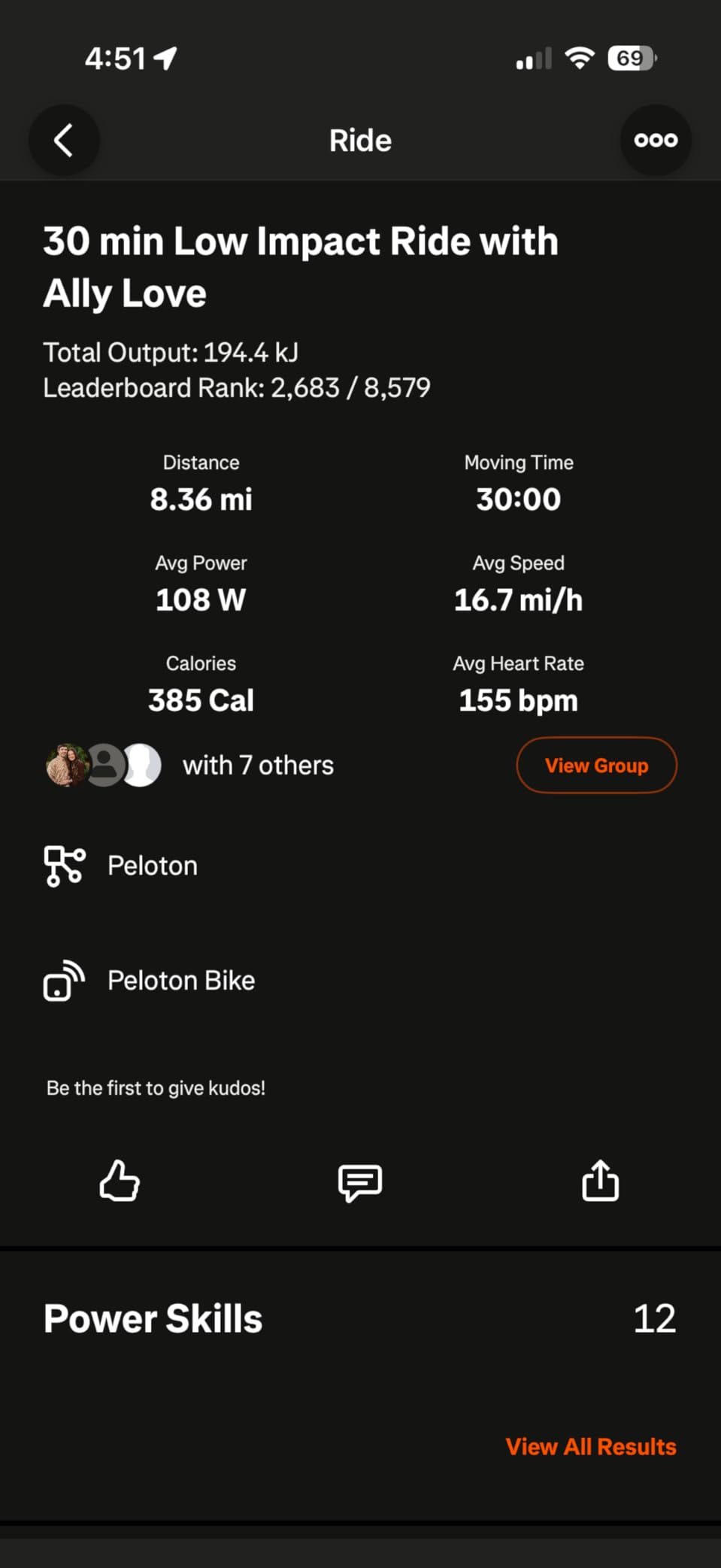
The Polar H9 is the stripped-down sibling of the H10. It still delivers the accuracy that made Polar famous. I tested it during a month of base-building runs.
The heart rate data tracked alongside my medical reference within one beat per minute. For under $70, that is remarkable performance. The H9 connects via Bluetooth and ANT+ to virtually every device and app.
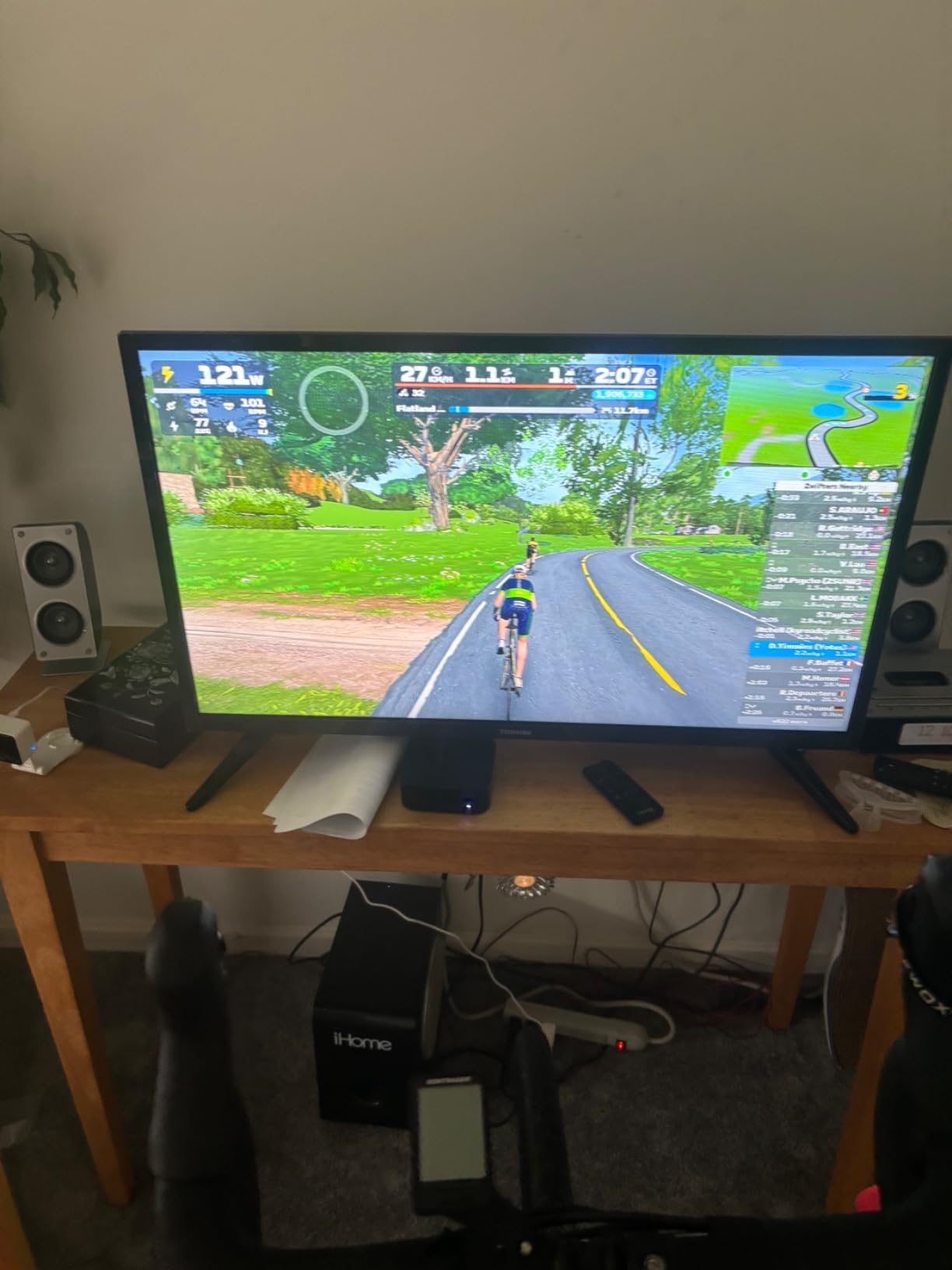
I paired it with my phone, my bike computer, and a gym treadmill. There were no issues. The Polar Beat app is free and provides solid workout summaries.
It includes heart rate zones, calorie burn, and training load. The 400-hour battery life means you might replace the strap before you replace the battery. That is a lot of training hours.
The soft strap is comfortable for most users. I did notice it slid slightly during a particularly sweaty hill repeat session. A quick adjustment fixed it.
Runners with narrower torsos might experience this more often. The strap is removable for washing. I recommend after every few uses.
Unlike the H10, the H9 does not have internal memory. You need your phone or watch nearby to record data. It also lacks the dual Bluetooth connection feature.
For most athletes, these omissions are not dealbreakers. The core function, accurate heart rate tracking, is identical to the H10. If you are new to heart rate training and want a reliable chest strap, the H9 is the obvious starting point.
It has earned nearly 10,000 reviews. It remains a staple in the running and cycling communities. Our team has recommended it to dozens of beginners.
Feedback is consistently positive. The Polar Beat app deserves more credit than it gets. It offers structured workouts and fitness tests.
I used the app to run a fitness test that estimated my VO2 max. The result was within two points of my lab test. That is impressive for a free app.
Who Should Buy the Polar H9
First-time heart rate monitor buyers who want proven accuracy at a low price should start here. Cyclists and runners who need basic heart rate zones will get everything they need. If you have a tight budget but refuse to compromise on accuracy, the H9 is perfect.
The 400-hour battery is also a major selling point. You could train an hour every day for over a year. You would replace the coin cell only after that.
That low maintenance requirement makes it ideal for people who do not want to think about charging schedules. Just put it on and go.
Who Should Skip It
Swimmers who want standalone recording should upgrade to the H10 for internal memory. If you need to broadcast to two devices at once, the H9 supports only one Bluetooth connection. Users who prefer rechargeable batteries should look at the Wahoo TRACKR instead.
The strap durability is also a concern for heavy users. I noticed some wear at the buckle after about six months of use. The strap is replaceable.
It is an extra cost to consider over the life of the device. For the price, it is still a great deal. Just budget for a new strap every year or two.
How to Choose the Best Heart Rate Monitor
Buying a heart rate monitor can feel overwhelming. There are so many shapes and sensor types. Here is what I have learned after testing dozens of devices over the years.
Focus on these factors and you will end up with a monitor that fits your training life. The right choice depends on your sport, your gear, and your comfort preferences.
Chest Strap vs Armband vs Wrist
Chest straps use ECG sensors that measure electrical signals from your heart. They are the most accurate option. That accuracy shines during high-intensity intervals.
Armbands use optical sensors that shine light into your skin. They measure blood flow changes. They are more comfortable than chest straps and nearly as accurate for steady-state cardio.
Wrist-based fitness trackers are the most convenient. They lag behind during rapid heart rate changes. My advice is simple.
If you train seriously by heart rate zones, get a chest strap. If you want comfort and decent accuracy for general fitness, choose an armband. If you only need casual tracking and want 24/7 wearability, a wrist tracker works fine.
Your body shape and skin sensitivity also matter. Some people get chafing from chest straps after 30 minutes. Others find armbands too tight on larger arms.
Wrist trackers work for nearly everyone but sacrifice accuracy. Try to test different styles if possible before committing. A good fit makes you more likely to wear it consistently.
Accuracy and Sensor Technology
ECG sensors in chest straps are the gold standard for a reason. They measure the actual electrical activity of your heart. That is nearly instantaneous.
Optical sensors in armbands and wrist devices measure blood volume changes. That introduces a slight delay. During interval training, that delay can be ten to thirty seconds.
That said, modern optical sensors have improved dramatically. Devices like the COROS armband and Wahoo TICKR FIT are accurate enough for most athletes. If you do steady-state runs, cycling, or gym workouts, an optical sensor will serve you well.
Save the chest strap for tempo runs, races, and HIIT sessions. In those situations, every second of data matters. The lag can throw off your pacing.
For medical monitoring, accuracy requirements are higher. No consumer device replaces a doctor or medical-grade ECG. If you have a heart condition, talk to your cardiologist about which monitors are appropriate.
Some devices offer irregular rhythm notifications. They are screening tools, not diagnoses. Use them as early warnings, not final answers.
Connectivity and Compatibility
Most heart rate monitors connect via Bluetooth, ANT+, or both. Bluetooth works with phones, apps, and most modern watches. ANT+ is the standard for bike computers and many gym machines.
If you own a Garmin ecosystem, ANT+ is useful. If you use apps like Zwift or Strava on your phone, Bluetooth is enough. Some devices can connect to multiple devices at once.
The Polar H10 connects to two Bluetooth devices simultaneously. The COROS armband connects to three. This matters if you want to stream data to your watch and your bike computer during the same ride.
Check your current gear before buying. Avoid compatibility headaches by knowing what your devices support. Gym equipment compatibility is another layer to consider.
Some treadmills and ellipticals only accept ANT+ signals. Others work with Bluetooth. The Fitbit Charge 6 can broadcast to compatible gym machines. That is a rare feature.
If you train at a commercial gym, check what systems they use. Ask the front desk or look at the equipment brand. Match your monitor to their standards.
Battery Life Considerations
Chest strap batteries range from 200 hours to 400 hours. Some use replaceable coin cells like the Polar H10 and H9. Others use rechargeable batteries like the Garmin HRM 600 and Wahoo TRACKR.
Rechargeable options are more convenient. They require charging every month or two. Armbands and fitness trackers have shorter active battery life.
They may last weeks in standby. The COROS armband offers 38 hours of active use. The XIAOMI Mi Smart Band 10 lasts 21 days as a daily wearable.
Consider how often you train. Think about how much you hate charging devices. I prefer rechargeable chest straps because I charge them on the same schedule as my watch.
Standby battery drain is also worth checking. Some devices sip power when not in use. Others drain noticeably even on your dresser.
The COROS auto-wear detection helps by shutting down when removed. That smart power management extends real-world battery life significantly. You get more training hours per charge.
Water Resistance and Swimming
If you swim, you need a heart rate monitor rated for underwater use. The Polar H10 is waterproof to 30 meters. It has internal memory for standalone pool sessions.
The Garmin HRM 600 is also swim-compatible. Most armbands and wrist trackers are water resistant. They are not designed for accurate heart rate tracking underwater.
Look for a 5ATM or IP68 rating if you want to shower and swim without worry. The Fitbit Inspire 3 and Charge 6 both handle pool water. However, optical sensors often struggle underwater.
Water blocks light. That interference hurts optical accuracy. For serious swim training, a chest strap with memory is the safest bet.
Open water swimmers face additional challenges. Bluetooth does not work well through water. You need a device that stores data internally.
The Polar H10 handles this perfectly. You can swim for an hour and sync the data afterward. Without internal memory, you will lose heart rate data as soon as you submerge.
Price and Value
Heart rate monitors range from about $50 to $170. The Polar H9 sits at the budget end with excellent accuracy. The COROS and Wahoo TICKR FIT offer strong mid-range value.
The Garmin HRM 600 and Polar H10 command premium prices. They deliver premium features and reliability. My rule is to spend based on how seriously you train.
If you run twice a week for general health, a $70 chest strap or $80 armband is plenty. If you are training for an Ironman, the extra money for running dynamics and HRV data pays off. Do not overspend on features you will not use.
Subscription costs are another factor. Some fitness trackers require monthly fees for advanced analytics. The Fitbit Charge 6 includes a trial. Premium features cost extra afterward.
Dedicated heart rate monitors like the Polar H9 and Wahoo TRACKR have no subscription fees. Factor that into your total cost of ownership. The upfront price is the total price.
Frequently Asked Questions
What is the most accurate type of heart rate monitor?
Chest strap monitors with ECG sensors are the most accurate type. They measure electrical signals directly from your heart, which gives near-instantaneous readings. Optical sensors in armbands and wrist devices are close for steady-state exercise but can lag during rapid heart rate changes.
Does Ozempic raise resting heart rate?
Some clinical studies suggest that GLP-1 medications like Ozempic may cause a slight increase in resting heart rate for certain patients. However, changes are usually modest. Always consult your doctor if you notice significant heart rate changes after starting any medication.
What is the best monitor for atrial fibrillation?
For monitoring atrial fibrillation, look for devices with ECG or EKG capabilities. The Fitbit Charge 6 offers an ECG app that can detect irregular rhythms. However, no consumer heart rate monitor replaces a medical diagnosis. Consult a cardiologist for persistent concerns.
Will ashwagandha lower resting heart rate?
Some research suggests that ashwagandha may help reduce stress and mildly lower resting heart rate over time. Effects vary by individual and dosage. It should not replace medical treatment for heart conditions.
How do I wear a heart rate monitor chest strap correctly?
Wet the electrode pads on the strap with water or saliva before putting it on. Position the sensor pod directly below your sternum, centered on your chest. Tighten the strap so it stays in place without restricting breathing. It should feel snug but not uncomfortable.
Final Thoughts
The best heart rate monitors in 2026 come in more shapes than ever. Chest straps like the Garmin HRM 600 and Polar H10 remain the gold standard for accuracy. Armbands like the COROS and Wahoo TICKR FIT offer excellent comfort without sacrificing much precision.
Fitness trackers like the Fitbit Charge 6 and XIAOMI Mi Smart Band 10 bring heart rate data to everyday wear. My personal pick for serious training is the Garmin HRM 600. The running dynamics and HRV data changed my form and recovery.
If you want a simple, affordable entry point, the Polar H9 is unbeatable. And if chest straps are not your thing, the COROS armband is the best alternative I have tested. Whatever you choose, the act of tracking your heart rate will make you a more aware athlete.
You will learn your zones, recognize fatigue early, and pace smarter. That awareness is worth more than any single device. Pick the monitor that fits your training style, put it on, and get to work.