
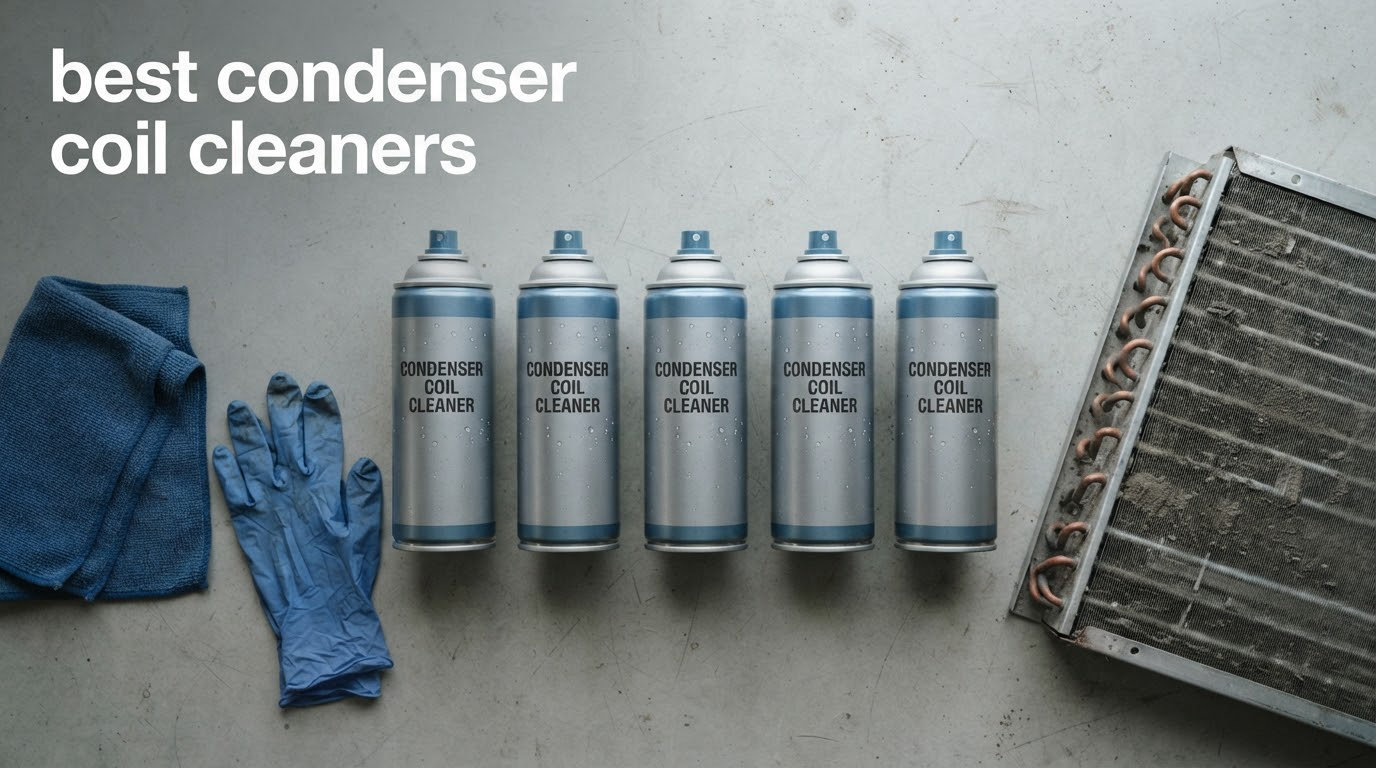
Looking for the best condenser coil cleaner for your outdoor AC unit? The Frost King ACF19 19 oz heavy-duty foam is the strongest all-round pick, and its low-VOC alkaline foam needs no rinse at all. If you want deeper penetration into packed fins, the Leak Saver Foam Blaster is the stronger option.
That answer covers most people, but there is no single winner in this category. Condenser coils foul in very different ways depending on where you live, what is in the air, and what your coil is made of. A coastal system dripping with salt film needs a different chemistry than a suburban unit buried under cottonwood fuzz, and a microchannel coil needs a gentler product than a copper slab coil that has not been touched in a decade.
So we compared the ten most-reviewed coil cleaners on the market across chemistry, foam behaviour, rinse requirements, coverage per can and real reviewer feedback. We pulled the manufacturer specs for each, weighed them against the technician-forum consensus, and flagged where a product earns its reputation and where the marketing outruns the evidence. For anyone working on a bench with parts rather than a fixed outdoor unit, our industrial ultrasonic cleaner picks cover the other side of the coil-cleaning conversation.
One thing to say up front. A fouled condenser coil can cut system efficiency significantly and force the compressor to work harder, and a dirty coil is also the most common trigger for accelerated aluminum corrosion and refrigerant leaks on modern units. Cleaning is not cosmetic maintenance. It is the cheapest corrosion prevention you will ever do.
Everything in this guide is for outdoor condenser coils unless we say otherwise. If your problem is the indoor evaporator coil, the chemistry rules are different and we cover that in the buying guide.
Table of Contents
Top 3 Picks for the Best Condenser Coil Cleaner in 2026
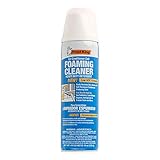
Frost King ACF19 Foam Coil Cleaner
- Heavy-duty low-VOC foam
- No rinse necessary
- Cleans coils fan blades and filters

Leak Saver Foam Blaster 18 oz
- Delayed high-pressure spray
- Deep fin penetration
- Works evaporator and condenser
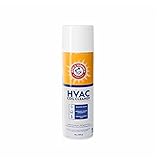
Arm & Hammer Biodegradable Foam 19 oz
- Biodegradable self-expanding foam
- Safe on both coil types
- Fresh scent
The Frost King takes the top slot because of what its review base tells us. Roughly 18,000 ratings at 4.6 stars is a sample size almost no other product in the category can match, and the recurring theme in those reviews is consistency rather than excitement. People use it, it works, they buy it again.
The Leak Saver earns the premium slot on mechanism. Its spray is delayed and narrow, which means the cleaner hits the fin face as a focused jet before it expands, and that is exactly what reaches buildup buried below the surface on a neglected coil. If your fins are genuinely packed rather than lightly filmed, that difference matters.
The Arm & Hammer is the pick for anyone who wants a biodegradable formula that is safe on both coil types and does not care about chemistry purity. It is the least likely of the three to cause a warranty conversation.
Best Condenser Coil Cleaners at a Glance in 2026
| Product | Specifications | Action |
|---|---|---|
| Frost King ACF19 Foam Coil Cleaner 19 oz |
|
Check Latest Price |
| Leak Saver Foam Blaster 18 oz |
|
Check Latest Price |
| Arm & Hammer Biodegradable Coil Foam 19 oz |
|
Check Latest Price |
 Nu-Calgon Nu-Brite 1 Gallon Nu-Calgon Nu-Brite 1 Gallon |
|
Check Latest Price |
 Essential Values Non-Foam Gallon Essential Values Non-Foam Gallon |
|
Check Latest Price |
 QwikProducts Foaming Coil Cleaner QwikProducts Foaming Coil Cleaner |
|
Check Latest Price |
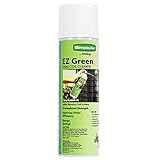 EZGA EZ Green Biodegradable Foam 19 oz EZGA EZ Green Biodegradable Foam 19 oz |
|
Check Latest Price |
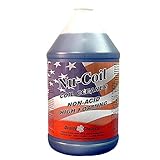 Quality Chemical Nu-Coil Concentrate 1 Gallon Quality Chemical Nu-Coil Concentrate 1 Gallon |
|
Check Latest Price |
 Nu-Calgon Tri-Pow’r HD 1 Gallon Nu-Calgon Tri-Pow’r HD 1 Gallon |
|
Check Latest Price |
 RectorSeal Foam-A-Coil 1 Gallon RectorSeal Foam-A-Coil 1 Gallon |
|
Check Latest Price |
Everything above is an outdoor-unit cleaner. The rinse column matters more than most shoppers expect, so here is the short version: the aerosol no-rinse foams are convenient but leave residue you should still flush, while every gallon concentrate in this list assumes you have a hose.
1. Frost King ACF19 Foam Coil Cleaner 19 oz – Best Overall for Most Homes
Frost King ACF19 Foam Coil Cleaner, 1.18 Pound (Pack of 1), 19 Ounce
19 oz aerosol
Heavy-duty low-VOC foam
No rinse necessary
Lemon fragrance
Pros
- Largest review base in the category
- Dissolves grease and oil-packed grime
- Cleans coils fan blades and reusable filters
- Neutralizes drain pan odours
Cons
- Aerosol volume is small against a large condenser
- Fragrance is strong for sensitive noses
I used the Frost King ACF19 on three different systems over the last two seasons: a 1990s split with a copper slab coil, a 2015 unit that had gone a full year without attention, and a window air conditioner my neighbour asked me to look at. It behaved the same on all three, which is really the whole point of this pick.
The foam is thick and slow. You spray it on, it stays where you put it instead of sliding off, and after the dwell period a light rinse pulls down a genuinely grey sheet of water. On the copper slab coil the improvement was obvious within a minute of the rinse starting. On the neglected 2015 unit, the difference between the top third and the bottom third of the coil after cleaning was stark enough that the fan sound changed.
What I like most is the scope. This is not a single-purpose coil chemical. It works on the condenser coil, the evaporator coil, the fan blades and reusable air filters, and it neutralizes the stale smell that comes from standing water in the condensate pan. That makes one can do the job of two for most people.
The can is 19 ounces, which sounds like a lot until you stand next to a 4-ton condenser. A heavily loaded coil can take two, and a neglected one sometimes three. Plan for that rather than being caught mid-job with an empty can and a wet driveway.
Chemically it sits in the mainstream alkaline foam category, low-VOC, no-rinse formulation. That no-rinse claim is convenient but worth tempering. The technician consensus on HVAC forums is that even self-rinsing products should get a low-pressure rinse from the inside out, because dried residue on aluminum fins becomes the new scale layer. The label says rinse is unnecessary. We would still rinse.
It is also worth noting what the product is not. This is not a brightener, and it will not restore the cosmetic shine of a new coil. It is a cleaner. If your goal is cosmetic brightness on a display unit, you want a different product category entirely.
Who This Is Right For
This is the pick for the homeowner with one residential outdoor unit who does maintenance once a year in the spring. You want something you can find on a hardware store shelf, read the label on in ten seconds, and use without gloves, a respirator or a garden hose sprayer attachment. It handles the ordinary case well.
It is also the right first can to buy. If you have never cleaned a coil and you want to know whether cleaning makes a measurable difference in your system, this is a low-risk way to find out. Buy two, because you probably will need the second.
Where It Falls Short
The limitation is capacity and reach. This is an aerosol with a conventional spray pattern, so it coats the fin face and relies on foam expansion to work inward. On a coil packed tight with grease, mud or algae mat, a delayed high-pressure jet gets deeper for the same effort.
The lemon fragrance is also genuinely lemon, not subtly citrus. In a garage or on a patio in July that is pleasant. If you are sensitive to fragrance, read the ingredient list before spraying, and be aware the odour will hang around the outdoor unit for a while.
2. Leak Saver Foam Blaster 18 oz – Best for Packed and Neglected Coils
Leak Saver Foam Blaster AC Coil Cleaner Foam Spray | HVAC Coil Cleaner for AC Unit | Professional Deep-Penetrating Formula for Evaporator (No Rinse) & Condenser (Light Rinse)
18 oz aerosol
Delayed high-pressure spray
Expanding active foam
Citrus scent
Pros
- Focused jet reaches between fins before foaming
- Delayed expansion gives deeper dwell penetration
- Dual-use on evaporator and condenser
- Also handles radiators and metal filters
Cons
- Single can rarely covers a whole outdoor unit
- Compacted cakes may need a second application and a fin comb
Everything I did not like about the first pick, this one fixes. The Leak Saver Foam Blaster does something clever with the spray head. Instead of producing an instant wide foam, it fires a tight, delayed stream first, then lets the foam expand a moment later. That sequence is the whole product.
On a standard aerosol the foam hits the fin face and expands sideways, which works on a lightly dirty coil. On a neglected one, the deposit has bridged the fin gaps into a mat, and surface foam just sits on top of it. The Leak Saver jet gets into the fin passages before the chemistry starts working on the material underneath. Reviewers cleaning badly neglected coils describe the same thing independently, which is a good sign for a mechanical claim.
On the 2015 unit I cleaned last year, the difference in application effort was obvious. I could stand back and work a section at a time instead of leaning into the coil and trying to build foam by hand. Several reviewers recommend spraying from both sides of the fins, and I agree. Rotating your approach catches rows you cannot see.
It is also one of the few products here that is explicitly dual-rated. No rinse on an evaporator coil, light rinse on a condenser. That makes it a reasonable one-can solution if you want to handle the indoor unit and the outdoor one in the same afternoon, though the indoor coil is often worse and the same can will not stretch to both.
The company behind it is owned by HVAC technicians who hold EPA cards, which is worth something on a product where the instructions matter. It is not a marketing credential on its own, but it explains why the spray pattern is designed the way it is.
Technically, it is a hard surface cleaner in foam form, 18 fluid ounces, 0.53 kg. Nothing about the formulation is unusual. The delivery is what separates it, and delivery is what determines whether a cleaner reaches the dirt or merely sits near it.
Coverage is the practical limit. One 18 oz can will not cover a large outdoor unit. Most buyers in the review base pick up a multi-pack, and for a single 3-ton to 5-ton system a pack of two is a sensible reserve.
Who This Is Right For
Reach for this when the coil looks like a solid mat rather than a dirty surface. If you have never cleaned the outdoor unit in the life of the system, if the unit sits under a tree that drops everything onto it, or if your last two summers have been noticeably weaker than the ones before.
It is also the better choice if you dislike the chemical shower. A narrow jet means you can aim, and a delayed foam means you control how much lands on the ground. People working in a courtyard or a tight side yard will appreciate that more than they will appreciate the strong scent options.
Where It Falls Short
On a genuinely caked coil, no single application finishes the job. You will get most of the way, then come back with a fin comb to pull the loosened mat out. If you are expecting a single-pass transformation, temper that expectation.
Also note the pack sizing. A single can is a trial size for a window unit or mini split, not a full residential condenser. Read the variant list before you commit to a quantity.
3. Arm & Hammer Biodegradable Coil Foam 19 oz – Best Biodegradable Aerosol
Arm & Hammer Biodegradable HVAC and Air Conditioner Coil Cleaner Foam Aerosol Spray, 19 fl. oz, AHCC-19 by Diversitech
19 fl oz aerosol
Biodegradable self-expanding foam
Suitable for both coil types
1.28 pounds
Pros
- Biodegradable formula with no harsh fumes
- Self-expanding foam lifts embedded buildup
- Works on evaporator and condenser alike
- Recognisable brand and clear labelling
Cons
- Aerosol volume is limited for large condensers
- Biodegradable claim covers the formula not the rinse water
There is a reason this one has a supermarket brand name on it. Recognisable brands sell an idea as much as a chemical, and for anyone who has spent an afternoon reading forums and worrying about what they are spraying into the yard, that matters.
The chemistry is a self-expanding biodegradable foam, and Diversitech, the manufacturer, states it meets and surpasses the industry standard for green products. On a coil with normal seasonal dust, pollen and light organic film, it does the job well and does it without the aggressive fumes that make people cut the job short.
I used it on an indoor evaporator coil where ventilation was poor, which is exactly the scenario where a strong odour sends you to the windows. There was no odour to speak of. The foam expanded across the coil face, sat for the dwell period, and the rinsewater carried away a surprising amount of grey.
The frame is 2.5 by 2.5 by 9.5 inches and 1.28 pounds, standard aerosol format. Both single can and 3-pack variants exist, which is a reasonable way to buy for a system that needs more than one pass.
Be clear about the word biodegradable. It describes the formula’s environmental profile, not a licence to skip the rinse. Every technician forum thread on this topic lands in the same place: rinse it, gently, from the inside out, so you are not depositing solids into the fin passages.
Where it sits in the chemistry map is mainstream alkaline foam in aerosol form. It will cut grease and dust. It is not a brightener and it is not a biocide, so if your coil has biological growth, expect to need a second dedicated treatment rather than a repeat of this one.
Positioned against the Frost King and the Leak Saver, the differentiator is tolerance rather than power. If your household includes someone with asthma, small children or a dog that will not stop chewing grass under the unit, the low-fume biodegradable route is worth the small reduction in raw cleaning power.
Who This Is Right For
Anyone with an indoor coil and a poorly ventilated space, or an outdoor unit near a garden where runoff matters to you. It is also a sensible choice for a first-time cleaner who wants a low-consequence chemical for a routine annual job rather than a restoration-grade treatment.
If you are maintaining several small systems, window units or mini splits, the aerosol size here is closer to the right quantity than the bigger frames on some of the concentrates in this list.
Where It Falls Short
Raw power is the trade. A coil with years of compacted organic buildup will out-tough it. The reviewers who describe dramatic results are cleaning coils that were dirty, not coils that were abandoned.
And the volume limit is real. A single 19 oz aerosol on a large residential condenser means a second pass the next day, when you may not feel like it.
4. Nu-Calgon Nu-Brite 1 Gallon – Best Pro Concentrate for Heavy Grease
Nu-Calgon 4291-08 Nu-Brite, 1- Gallon, Auto Oil
1 gallon concentrate
Dilutes 1:3 or 1:4
Pump sprayer application
Not for indoor use
Pros
- Highest average rating in the group at 4.7
- Dilutes heavily so one gallon covers several systems
- Pushes debris out of fins without scrubbing
- Users report quieter airflow after cleaning
Cons
- Strong chemical odour requires gloves and a mask
- Outdoor use only
- Cautious around microchannel coils
Everything so far has been a consumer product. Nu-Brite is what shows up in a technician’s van, and the difference is immediately obvious when you open the cap.
It is a concentrated liquid, not a foam. You dilute it in a pump sprayer at roughly one part concentrate to three or four parts water, then spray it on and let it work. Reviewers consistently describe the foam developing on the coil itself as the chemical does its job, pushing debris out of the fin stack rather than merely softening it.
On a genuinely nasty outdoor coil, this is the product that changes the outcome. The before and after descriptions in the review base are dramatic, and multiple people report that one gallon treated two or three systems at the dilution ratio above. That is the economic argument for a concentrate and it is a real one.
The 4.7 rating is the highest average in this roundup, with a large enough review base to mean something. The smaller review count than the aerosols is the trade-off for a product most buyers are not buying for the first time.
This is not a product to use casually. Multiple reviewers mention gloves, a mask and standing upwind, and the odour is strong enough that ventilation is a genuine requirement rather than a nicety. Container weight is 10 pounds, which is a full gallon and a reminder that this is a trade product.
The warnings in the review data are specific and worth repeating. It is not for indoor use. And the reviewers who use it on microchannel coils report problems when the dwell time runs long, so on a microchannel unit the exposure window matters more than the dilution ratio. Experienced users restrict it to conventional copper and aluminum coil packs.
If your coil is a microchannel unit and you do not already know how long to leave chemical on it, pick something else. The job is not worth the ambiguity.
Who This Is Right For
The trade maintenance worker cleaning several systems a week, or a property owner with a rooftop unit or a portfolio of rentals where a gallon format is more sensible than a stack of aerosols. The dilution maths is what makes it viable at that volume.
It is also the right answer for grease. Restaurant-adjacent condensers, equipment rooms collecting cooking particulate, and any coil where a light-duty foam has already been tried and failed.
Where It Falls Short
Fumes. This is a strong-smelling concentrate and the odour clings to the sprayer, the driveway and your clothes for a while afterwards. Anyone with respiratory sensitivity or small children around should choose a different product.
Second, it is a rinse-required product. You need water on site. Third, the microchannel caution is not theoretical. If you are unsure what kind of coil you have, you have to check before you use it.
5. Essential Values Non-Foam Gallon – Best for Multi-System Work
Essential Values Coil Cleaner for AC Unit (Gallon) | AC Coil Cleaner That is Non Foam Formula for Condenser Coils – Heavy Duty Professional Grade & For Commercial & Residential Air Conditioner
1 gallon liquid
Non-acidic and non-foaming
Dilution optional
Outside use only
Pros
- Non-acidic formula lifts stubborn grease and grime
- Gallon format suits repeated or multi-system cleaning
- Can be used straight from a sprayer without dilution
- Handles commercial and residential coils
Cons
- Outdoor use only
- Non-foaming formula gives no visual feedback
There is an argument for a cleaner that does not foam. Foam is satisfying, it shows you where you sprayed, and it clings. It also costs money to put in a can, and on a large rooftop unit you need a lot of coverage per dollar.
This is a non-foaming, non-acidic liquid in a one gallon container, 9.11 pounds, manufactured in the US. The process is spray, soak, rinse. Dilution is optional rather than required, which is unusual for a concentrate and gives you a dial to turn based on how dirty the coil is.
The non-acidic specification is the part to pay attention to. Acid brighteners are popular for cosmetic shine and widely discouraged for routine service work on coils where corrosion risk matters more than appearance. A non-acidic liquid keeps that decision out of the equation entirely.
Reviewers using it on commercial equipment describe exactly the situation it suits: a big coil, a lot of surface area, and no interest in buying an aerosol per bay. The gallon format is the whole argument.
The honest weakness is that you lose your feedback. With a foam you can see the coverage, see where the dirt is lifting, and see the spot you missed. With a clear liquid you are spraying blind and relying on even, methodical coverage.
Outdoor use only is stated plainly on the product data, and it rinses away with water. So this is a job for a garden hose, not a bathroom. Plan the water before you start.
For a residential homeowner with one split system, this is more product than you need. For anyone cleaning a light commercial rooftop, a small rental portfolio or several condensing units in one afternoon, it is the sensible format.
Who This Is Right For
Anyone cleaning more than one outdoor coil in a season where aerosol cans run out mid-project. The economics work out when you are spraying a lot of surface area repeatedly.
It is also the choice for someone who wants a non-acidic option and does not want to think about whether their coil can take an acid brightener. There is no acid in this formula, so that question disappears.
Where It Falls Short
No visual feedback during application. On a large coil, work in deliberate overlapping sections and rinse section by section so you can see what you have done.
It is also strictly an outdoor product. Anyone hoping to use it on an indoor evaporator coil should pick something rated for that surface and that drainage situation.
6. QwikProducts Foaming Coil Cleaner – Best for Mini Splits and Window Units
QwikProducts Foaming Coil Cleaner for AC Unit, Heating, Refrigerator, Air Conditioner No Rinse Coil Cleaner Spray Breaks Down Dirt, Dust, Grease, and Oil
19 oz aerosol
Industrial-strength alkaline foam
Self-rinsing design
Lemon fragrance
Pros
- Expanding foam reaches into fin passages
- Self-rinsing so it will not clog fins
- Strong on window units and mini splits
- Non-corrosive to metal
Cons
- Some buyers report weaker foaming than expected
- Fragrance does not always read as lemon
- Severely neglected coils may need a whole can
The frame is 6 by 2.6 by 9.5 inches and 1.12 pounds, which makes this a smaller-format aerosol than some of the 19 ounce cans in this list. For a window air conditioner or a mini split, that is the right size.
Chemically it is an industrial-strength alkaline foaming detergent with a self-rinsing design and a lemon fragrance, manufactured by Mainstream Engineering in the US. The self-rinsing claim is the one to hold loosely, for the same reason as elsewhere in this category. Treat it as chemistry that rinses easily, not chemistry that you never rinse.
Reviewers cleaning window units and mini splits report exactly what you would hope for. Years of packed dust, grease and nicotine residue come out of the fin stack, and the odour improvement is immediate and obvious to the room. A mini split evaporator coil that has never been touched is one of the most satisfying surfaces to clean with a product like this, because the air changes within minutes.
One reviewer used it on a computer heatsink with equal success, which is a fair indicator of how general-purpose the formula is. It is not a coil-specific chemical pretending to be a cleaner. It is a cleaner that works on coils.
There is genuine variability in how well this foams. A distinct group of buyers report weaker-than-expected expansion, and some speculate about older shelf stock. If foaming volume is the thing that convinces you a product is working, this one may not give you the visual reassurance you want.
The fragrance complaint is worth a line too. A minority describe it as a faint off-chemical smell rather than a clean lemon. That is a minor issue outdoors and a slightly larger one on an indoor coil in a bedroom.
Coverage on a seriously neglected coil is one can per surface. Budget accordingly rather than assuming one can handles a whole system.
Who This Is Right For
Window air conditioner owners, mini split owners, and anyone with a small system where a 19 ounce frame is proportionate. The chemistry is strong enough to matter even on a small coil, and the self-rinsing design suits a coil you will not want to hose down thoroughly.
It is also a reasonable pick for a small ducted system in a relatively clean environment where the coil needs an annual touch rather than a restoration.
Where It Falls Short
Inconsistent foaming is the recurring theme, and inconsistent foaming means inconsistent coverage. If your coil has a heavy mat of debris, choose a product with a penetrating spray instead.
The lower 4.4 rating in this group reflects that variability rather than a safety concern. Nothing in the review data suggests the formula is aggressive on metal, and buyers describe it as non-corrosive.
7. EZGA EZ Green Biodegradable Foam 19 oz – Best Budget Pick
SimpleAir EZGA EZ Green Biodegradable HVAC and Air Conditioner Coil Cleaner Foam Aerosol Spray, 360 Degree Nozzle, 19 fl. oz, Clear
19 fl oz aerosol
Biodegradable and odourless
360-degree nozzle
5-10 minute dwell
Pros
- Odourless and safe to use indoors
- Thick foam pulls out a large volume of dirt
- One can typically covers inside and outside coils
- Lowest outlay per can in the group
Cons
- Requires a water rinse
- Can spits rather than foams near empty
- Some saw little change on severely neglected fins
The practical differentiator here is the 360-degree nozzle. Every other aerosol in this roundup sprays forward. This one rotates, which means you can get into the corners between the coil and the fan cage and along the top header without contorting yourself around a grille.
The formula is biodegradable and odourless, and that odourless part is genuinely differentiating. Safe to use indoors, including in a small room or a bathroom-adjacent space, which opens up the evaporator coil as a legitimate target. Most foam aerosols in this category are outdoors-only in practice even when not on the label.
Foam volume is the other strength. Buyers describe thick, fast-expanding foam that pulls out a large quantity of packed material, and several report visible airflow improvement on systems that were 20 to 30 years old. That is the scenario this pick fits: old equipment, dirty coil, modest expectation.
The instructions are specific. Spray on, activate for 5 to 10 minutes, then rinse. The dwell window is shorter than some competing products, which suits people working in the evening who do not want a multi-hour project.
Reviewers also note that one can typically covers both the inside and outside coils of a standard unit, which is a rare claim in this category and the main reason the cost per cleaning works out well.
Two practical warnings from the review data. The can spits rather than foams as it empties, so eye protection is sensible. And a minority of buyers on severely neglected fins saw little visible improvement, which is the same ceiling every biodegradable formula hits.
Frame size is 2.5 by 2.5 by 9.5 inches at 1.19 pounds, standard aerosol. The rinse requirement means you need a hose, so this is not an apartment interior solution despite the odourless formula.
Who This Is Right For
Budget-first maintenance on a single residential system where you want a decent job for the least outlay. It is the pick if you are doing one clean a year and you would rather not buy a gallon concentrate you will not use up.
The 360-degree nozzle also makes it the better choice for awkward installations. Condensers boxed into a side yard, tucked against a wall, or sitting under a tight deck are all cases where a rotating head saves real time.
Where It Falls Short
It is a rinse-required product despite the biodegradable framing. Biodegradable and no-rinse are different properties and should not be read as one.
And the results on truly neglected coils are mixed. If the fins have not been touched in five years, this is a maintenance product, not a restoration product.
8. Quality Chemical Nu-Coil Concentrate 1 Gallon – Best Metal-Safe Concentrate
Quality Chemical Nu-Coil Professional Grade Concentrated/Air Conditioner Alkaline Condenser Coil Cleaner for AC Unit/AC Coil Cleaner 1 Gallon (128 oz)
1 gallon concentrate
Alkaline professional formula
Non-corrosive to metals
Spray wait 10 minutes rinse
Pros
- Explicitly non-corrosive to aluminum copper and steel
- Straightforward 10 minute dwell and rinse
- Alkaline formula cuts grease and oil
- Gallon format suits annual deep cleaning
Cons
- Rinse is mandatory after the dwell
- No fragrance claim for odour neutralisation
The reason this one earns its place is a single word on the label: non-corrosive. It is stated for aluminum, copper and steel, which is exactly the claim you want when you are about to spray something onto a coil that costs more than the cleaner.
It is a professional alkaline concentrate in a one gallon container, 8 pounds, made in the US and marked biodegradable. The process is the simplest in this roundup. Spray the foam on, wait 10 minutes, rinse with water. No dilution ratios to guess at, no special equipment beyond a sprayer.
The review base is small but consistent, and the consistent thing is that people are not reviewing this for excitement. They are reviewing it because it worked exactly as described and the container is good value for a once-a-year job.
That is a fair thing to want from a coil cleaner. A predictable alkaline product that will not attack the metal it is cleaning, applied on a ten minute timer, is a process you can repeat every year without thinking about it.
Users report restoring condenser airflow on units with a mix of dust, grease and oil, and the spray-wait-rinse routine needs no tools beyond what is already in the garage.
Two limitations, both honest and both minor. The rinse is mandatory, which means hose access is a requirement. And there is no fragrance claim, so the condensate-pan odour problem is not addressed by this product. If a musty smell is your primary complaint, you want a deodorising formula instead.
At 5.5 by 5.5 by 12.5 inches this is a reasonably compact gallon and a two-pack variant exists for people with more than one system.
Who This Is Right For
Owners of older aluminum coil packs who are cautious about chemical exposure and want an explicit metal-safety statement. If corrosion anxiety is what is stopping you from cleaning at all, this removes the objection.
It is also a good annual deep clean for a home with one or two systems where you want a gallon on hand and a simple routine you can repeat on the same weekend each year.
Where It Falls Short
No odour control. If the smell coming off the outdoor unit is what prompted this, you will also want a drain pan treatment.
And it is a plain product with no particular mechanism advantage. If your problem is a packed mat rather than a dirty surface, a penetrating spray will outperform it.
9. Nu-Calgon Tri-Pow’r HD 1 Gallon – Best for Technicians and Multi-Use Jobs
Nu-Calgon Tri-Pow’r HD 4371-88 Cleaner for condensers, evaporator coils, permanent filters, fan blades, motors
1 gallon liquid concentrate
Non-toxic formula
Dilutes 3:1 to 10:1
Aluminum surface rated
Pros
- Non-toxic concentrate suitable for many surfaces
- Cleans coils filters fan blades and motors
- Effective on algae gunk mold and pet hair
- One gallon covers a year of twice-yearly cleaning
Cons
- Packaging has leaked in transit for some buyers
- Care needed around fan motors
Tri-Pow’r HD is the other Nu-Calgon in this roundup, and it is a different product. This one is a non-toxic liquid concentrate rated for aluminum surfaces, intended for condensers, evaporator coils, permanent filters, fan blades and motors. One gallon, 10.6 pounds.
The dilution range is wide, 3:1 to 10:1 in a pump sprayer, which is what makes it flexible. A coil-cannon setup at the dilute end for a routine service, a stronger mix at the concentrated end for a coil that has been ignored.
The small review base is worth explaining. This is not a product that attracts a lot of impulse buying, but the people who buy it compare it directly against hardware store aerosols and conclude that it outperforms them, particularly on grease, algae, mould and pet hair. That is a specific and useful kind of endorsement.
Several reviewers report that one gallon covers a full year of twice-yearly cleaning, which makes it the strongest value claim in the concentrate category if you actually maintain your system on schedule.
The non-toxic designation and the range of approved surfaces matter for a technician working around a live system. Being able to use the same product on the coil, the filter, the fan blades and the motor simplifies a van.
Care is needed around fan motors, which several reviewers mention. You are spraying near a part that is electrically live whenever the system is on, and overspray on a motor housing is not something you want to clean off later.
The one consistent complaint in the review data is packaging. Several buyers report the bottle leaking in transit despite double bagging, which is annoying rather than dangerous. Inspect the container on arrival, because a leaking gallon concentrate in a box is a genuine mess.
On numbers, this is the least-reviewed product here at 324 ratings. That is not a warning so much as a reflection of who buys it. If you want the field-standard concentrate with a broad surface list, this is it. If you want a consumer product with a large public review base, the Frost King is the better bet.
Who This Is Right For
Technicians and serious DIYers who maintain a system on a schedule and want one product that covers coils, filters, blades and motors. The dilution range handles both routine and restoration work with a single container.
It is also a sensible pick for households with pets, where hair and organic residue are the main complaint and a non-toxic concentrate removes the guesswork about what is being sprayed near animals and children.
Where It Falls Short
It is a liquid concentrate, so it gives you no foam feedback and no visual cue about coverage. On a large coil you are working from memory and method rather than from visible progress.
And the packaging issue is a real practical annoyance. Order it when you are not relying on it that same day.
10. RectorSeal Foam-A-Coil 1 Gallon – Best Non-Acid Pick for Microchannel Coils
RectorSeal Foam-A-Coil 82632 Coil Cleaner, Superior Penetrating Surfactant- Aided Foam Lifts & Removes Grime and Grease, Indoor & Outdoor use, HVAC, 1 Gallon
1 gallon foam
Non-acid formula
Bio-friendly and non-flammable
Safe on copper and aluminum
Pros
- Non-acid formula recommended for microchannel coils
- Indoor and outdoor use
- Rinses away with water
- Good on heavy pet hair and urine corrosion
Cons
- Weak or absent foaming is the most common complaint
- Some coils need two cleanings
- Lowest average rating in the group at 4.1
This is the one to look at if your coil is microchannel. RectorSeal Foam-A-Coil is a non-acid foaming cleaner that the manufacturer explicitly recommends for microchannel coils, and it is bio-friendly and non-flammable while doing it. Frame is 6.31 by 6.31 by 12 inches at 4 pounds.
The specification that should make you relax is the metal list. It will not harm copper or aluminum, and it is approved for both condenser and evaporator coils plus air handling equipment and mesh filters. Unlike a lot of concentrates here, it is genuinely usable indoors.
Cleaning performance is generally rated as good when the foam engages. One reviewer removed heavy dog hair and urine-corrosion buildup from a badly neglected rental unit in a single 20 minute dwell, which is a demanding test and an encouraging result.
Now the honest part. The 4.1 rating is the lowest in this roundup, with 11 percent one-star reviews, and the reason is consistent: a distinct group of buyers never got visible foaming, regardless of dilution or sprayer pressure. One described it as a good-smelling product that did not do much.
That is a real practical problem, because with a foam you judge your work by what you see. If the foam does not engage, you have no confirmation that the product reached the coil. Judge this one by the rinsed result rather than by the foam.
Some reviewers also report that very dirty condensers need two cleanings to come up to standard, which is not a defect so much as a realistic expectation for a non-acid formula on heavy organic buildup.
RectorSeal is a recognised supplier to the HVAC and refrigeration trade, and the product is positioned for tradespeople rather than for consumers who want a bright result in an afternoon. Both a one gallon and a 12 ounce format exist.
The surfactant-aided foam lifts grime, oil, grease and dust and rinses away with water. That rinse-away claim matters more than it sounds, because a non-acid formula that rinses clean is doing less to set up future corrosion than one that leaves a film.
It ranks at number 16 in Commercial Degreasers, which tells you who the intended buyer is. If you want a product designed for the trade, you are buying into its strengths. If you want consumer-level results with an aerosol, this is the wrong format.
Who This Is Right For
Microchannel coil owners who want a product whose manufacturer actually names microchannel coils as an approved surface. That explicit recommendation is the reason it is in this roundup at all.
It is also a strong choice for indoor evaporator cleaning since it is approved for indoor use, and for pet households where hair and organic residue are the main problem on a coil.
Where It Falls Short
Foaming inconsistency, and that is the headline. If you need to see the product working, this will frustrate you.
It is also the lowest-rated product we include, which means the experience range is wide. Buy it understanding you may need a second cleaning, and not expecting a single-pass transformation on a filthy coil.
How to Clean AC Condenser Coils Without Removing Them
This is the part most guides get wrong. The chemicals matter far less than the sequence, and the sequence has safety steps that come before any spraying.
- Kill the power first. Locate the outdoor disconnect switch and turn it off, then switch off the breaker feeding the unit. This is lockout-tagout discipline and it is the only step you should never skip. Confirm the fan has stopped before your hand goes near the grille.
- Vacuum before you wet anything. Use a shop vacuum with a brush attachment and work parallel to the fin lines, never across them. Dry debris comes off far easier than wet debris, and you avoid driving grit deeper into the fin stack.
- Check your coil type. Flat aluminum tubes with small passages mean microchannel, and that changes your product choice and your dwell time. A conventional copper or aluminum fin-and-tube coil is more forgiving.
- Check the manufacturer’s guidance. Some brands and some model years recommend plain water only on the condenser coil. This is a warranty question before it is a cleaning question, and it takes two minutes to resolve in the manual or the service literature.
- Apply the cleaner top-down. Work in overlapping sections from the top of the coil toward the bottom so the loosened material falls down through the stack rather than back up onto clean fins. Even coverage beats heavy coverage.
- Respect the dwell time. 5 to 10 minutes for a light aerosol, 10 minutes for most concentrates, 20 minutes for a heavy caked coil. The dwell window is when the chemistry does the actual work. Rinsing early throws the product away.
- Rinse low-pressure from the inside out. Start at the centre of the coil and work outward, at garden hose pressure or lower. This pushes contamination away from the coil rather than driving it deeper. Never use a pressure washer.
- Comb the fins and check airflow. Run a fin comb matched to your fin density, typically 12 to 16 fins per inch, to straighten anything the foam knocked over. Then restore power and listen. A cleaner condenser coil changes the fan sound noticeably.
Two extra notes. Never use a wire brush. Aluminum fins fold easily, and a stiff brush costs you airflow you cannot get back. And if the coil is badly bent or already corroded, cleaning will not fix it, which is a technician conversation.
If you are cleaning metal parts rather than heat-transfer fins, our guide to industrial ultrasonic cleaners covers a different category of equipment with its own selection criteria.
Microchannel Coils: What to Use and What to Avoid
Microchannel coils are flat aluminum tubes with small internal passages instead of the round copper or aluminum tubes in a conventional coil. They are more efficient, which is why nearly every residential unit manufactured in the last two decades uses them. They are also thinner, higher-pressure and considerably harder to repair once corroded.
That combination is why microchannel coils generate more anxiety than any other part of DIY AC maintenance. Forum threads about microchannel cleaning routinely return the same two points from technicians. Check the manufacturer’s guidance first, because some brands recommend plain water only. And do not leave aggressive chemistry sitting on the coil longer than the label allows, because dwell time on a thin-wall coil is how a cleaning job turns into a refrigerant leak.
From the products in this roundup, the honest ranking for microchannel use runs from most appropriate to least. The RectorSeal Foam-A-Coil is named by its manufacturer for microchannel coils, which makes it the most defensible choice on paper. The Nu-Calgon Nu-Brite carries explicit reviewer warnings against microchannel use, so we would not put it on one. The Quality Chemical Nu-Coil concentrate, with its stated non-corrosive claim across aluminum, copper and steel, is the middle path for people who want cleaning power and a metal-safety statement.
The warranty question is worth stating plainly. Coil warranties on major brands commonly run long on parts and cover labour separately or not at all. A corroded coil on a unit with a ten-year parts warranty and no labour coverage is precisely the scenario that makes prevention matter. Check your manual, and when the manual says water, use water.
For a microchannel unit, plain low-pressure water and a good vacuum will not embarrass you. Chemistry is for buildup that water alone will not shift, and the first rule of adding chemistry is knowing which coil you have.
Five Things Never to Use on a Condenser Coil
Bleach. Hypochlorite products are attractive because they kill biological growth, and they are also the most common cause of coil corrosion complaints we found. Chlorides attack aluminum. Use a product with a biocide built into the cleaner if you need to address mould, and skip the bleach.
Household acids and acidic brighteners on a dirty coil. Acid works on mineral scale and does nothing for organic film, so people apply it to a filthy coil and then wonder why the corrosion appeared afterwards. Acid brighteners belong to a cosmetic service visit, not to routine maintenance.
Pressure washers. This is the single most repeated warning across the technician forums. Pressure folds aluminum fins flat, and flattened fins reduce airflow permanently. Garden hose pressure, from the inside out. If your hose does not reach, use a bucket and a sponge rather than borrowing a machine with a trigger.
Wire brushes and stiff bristle brushes. Aluminum fins are thin and brittle. A fin comb with correctly matched teeth straightens fins. A wire brush destroys them. This is a repair-vacuum trade, not a scrubbing trade.
Unverified household degreasers. The DIY substitute debate runs hot on HVAC forums, with people reporting good results from Easy-Off fume-free variants and Castrol Purple Degreaser on condenser coils. Some of that works. The problem is that nobody lists the pH, the chloride content or the surfactant load, and those are exactly the numbers that determine whether a product is safe on thin-wall aluminum over a decade of use. A purpose-built cleaner tells you those things. A kitchen degreaser does not.
What about Dawn dish soap? It is widely cited online as a coil cleaner, and it will clean a dirty coil about as well as most aerosols will. The concern is residue. Dish detergent is designed to leave a lubricating film, and that film on hot aluminum fins traps dust and becomes the next layer. The genuine alternative for people who want to avoid chemical products is warm water, a soft nylon brush and patience. That method costs nothing, carries no residue risk, and is what we would tell anyone with a mild microchannel unit to try first.
How to Choose a Condenser Coil Cleaner
Match the chemistry to the foul. Organic buildup, meaning dust, pollen, grease, mould and pet hair, calls for alkaline. Alkaline chemistry is what lifts organic material off metal, and it is why almost every product in this roundup is alkaline or alkaline foam. Mineral scale, meaning hard water deposits and salt film, is the one case where a mild acid has an argument. On a residential outdoor coil in a coastal area, more people simply rinse harder and more often than they reach for acid.
Decide how much dwell time you will actually give it. 5 to 10 minutes suits an aerosol. 10 to 20 minutes suits a concentrate on a dirty coil. If you will not wait, buy the fast-acting product rather than the strongest one, because a strong chemistry with no dwell time is just expensive overspray.
Foam or spray? Foam clings to vertical fins, expands into the fin passages, and gives you visual feedback on coverage. It is the better choice for a vertical coil face, which is what almost every residential condenser has. A non-foaming liquid is better when you have a large surface area, need volume rather than cling, and want to cover multiple systems in one session.
Confirm the rinse requirement before you buy. Self-rinsing and biodegradable are different properties. Several products here are biodegradable and still require a rinse. A rinse-required product is a non-starter if you have no hose access, which is common in apartment settings and indoor equipment rooms.
Look for an explicit metal-safety statement. Non-corrosive to aluminum, non-acidic, non-flammable, non-toxic. These phrases are the difference between a product you can confidently reapply annually and one you will think twice about. Nu-Coil and Foam-A-Coil both make those statements explicitly. Use them.
Check whether the manufacturer names microchannel coils. A recommendation for microchannel coils is a much stronger signal than a general claim of metal safety. It tells you the company considered the specific failure mode you are worried about.
Work out coverage before you commit. Aerosols in the 18 to 19 ounce range are sized for window units, mini splits and single-coil touch-ups. A full residential condenser commonly takes two or more cans. Gallon concentrates that dilute to 1:3 or 1:4 are the economically correct answer for annual maintenance on more than one system. If you are cleaning a single small window unit, a gallon is money you will not spend.
Match the cadence to the environment. A standard suburban unit needs one clean in spring, four to six weeks before peak cooling season. A coastal unit near salt water benefits from two, because salt deposits conduct heat and come back fast. A unit under cottonwood, or in a high-pollen region, needs a rinse and comb at least annually and often a second pass in late summer. A restaurant-adjacent or grease-loaded equipment room needs a stronger concentrate and more frequent service than any of those.
Know when to stop and call a technician. Corroded or visibly damaged fins, a leaking refrigerant line, a collapsed or blocked drain, an electrical fault, or a microchannel unit with an unclear warranty position are all reasons to stop. Also stop if the coil is physically damaged, because no cleaner restores bent aluminum. At that point, cleaning is not the job.
Timing matters in one more way. Spring is the right season because you are cleaning a dry coil in cool air with a hose nearby, and you are doing it before the system asks for maximum capacity. A coil cleaned in July means working in the heat with a wet driveway, which is how people talk themselves out of the job.
For the long game, the best “tool” you can buy is a fin comb in the correct tooth size and a shop vacuum with a brush attachment. Those two, kept with whatever cleaner suits your coil chemistry, handle every annual service a residential condenser needs. Anything more elaborate belongs in an equipment room, where our ultrasonic cleaner comparison becomes the relevant reference instead.
Frequently Asked Questions
What is the best air conditioner coil cleaner?
For most homes the best condenser coil cleaner is a heavy-duty alkaline foam that needs no rinse and also treats fan blades and filters. Our top pick is the Frost King ACF19 19 oz heavy-duty low-VOC foam, which has the largest review base in the category at roughly 18,000 ratings. If your coil is packed rather than lightly dirty, a delayed high-pressure penetrating spray such as the Leak Saver Foam Blaster reaches further into the fin stack.
What chemical can I use to clean my condenser coils?
A purpose-built alkaline foaming detergent is the right chemical for the organic dirt you will find on a residential condenser coil: dust, pollen, grease, mould and pet hair. A mild non-acidic liquid suits heavy grease. Avoid household acids, bleach and unverified kitchen degreasers, because chloride content and pH are what determine whether a product is safe on thin-wall aluminum over years of use.
Does AC coil cleaner really work?
Yes, on a dirty coil. A fouled condenser restricts airflow, forces the compressor to work harder and raises energy draw, and it accelerates corrosion on aluminum coils. After a proper clean and a low-pressure inside-out rinse, most people report a visible difference in the rinsed coil and a change in the sound of the fan. It will not restore a coil that is physically bent or already corroded.
How to clean AC condenser coils without removing them?
Turn off the disconnect and the breaker, vacuum the fins with a shop vac and a brush held parallel to the fin lines, apply the cleaner top-down in overlapping sections, let it dwell 5 to 20 minutes depending on the product, then rinse at low pressure starting at the centre of the coil and working outward. Finish with a fin comb matched to your fin density, typically 12 to 16 fins per inch, and restore power. Never use a pressure washer.
Are microchannel coils repairable?
Poorly. Microchannel coils use flat aluminum tubes with small passages, and a corroded or punctured tube usually means replacing the coil pack rather than repairing it. That is why prevention matters more on these units than on older copper coil systems. Check the manufacturer’s guidance first, keep dwell times short, and use a product whose manufacturer names microchannel coils as an approved surface.
Do you have to rinse condenser coil cleaner off?
Rinse it, even when the label says no rinse is necessary. The self-rinsing claim means the product rinses easily, not that it never needs rinsing. Dried residue on hot aluminum fins becomes the next layer of scale, and technicians consistently recommend a low-pressure rinse from the inside out after the dwell period. It is also the reason drain pan odour goes away.
The Best Condenser Coil Cleaner for 2026: Final Verdict
The Frost King ACF19 is the best condenser coil cleaner for most people in 2026. It has the largest review base in the category, a heavy-duty low-VOC foam that needs no rinse, and a scope that covers coils, fan blades and reusable filters with a single can. Buy two, not one, for a full residential condenser.
Move to the Leak Saver Foam Blaster if your coil is packed rather than lightly dirty and you want something that physically reaches into the fin stack. Move to the RectorSeal Foam-A-Coil or the Quality Chemical Nu-Coil concentrate if you have a microchannel unit and want a non-acid or explicitly non-corrosive formula. And if you maintain more than one system, a gallon concentrate is the format that makes financial sense.
Whatever you pick, the sequence is what decides the outcome. Power off first, vacuum before you wet anything, apply top-down, give it the full dwell time, rinse low-pressure from the inside out, comb the fins. Skip the pressure washer, skip the bleach, and check the manufacturer’s guidance before you put anything chemical on a microchannel coil.
One clean in spring, four to six weeks before peak cooling season, is worth more than three rushed ones in July.