
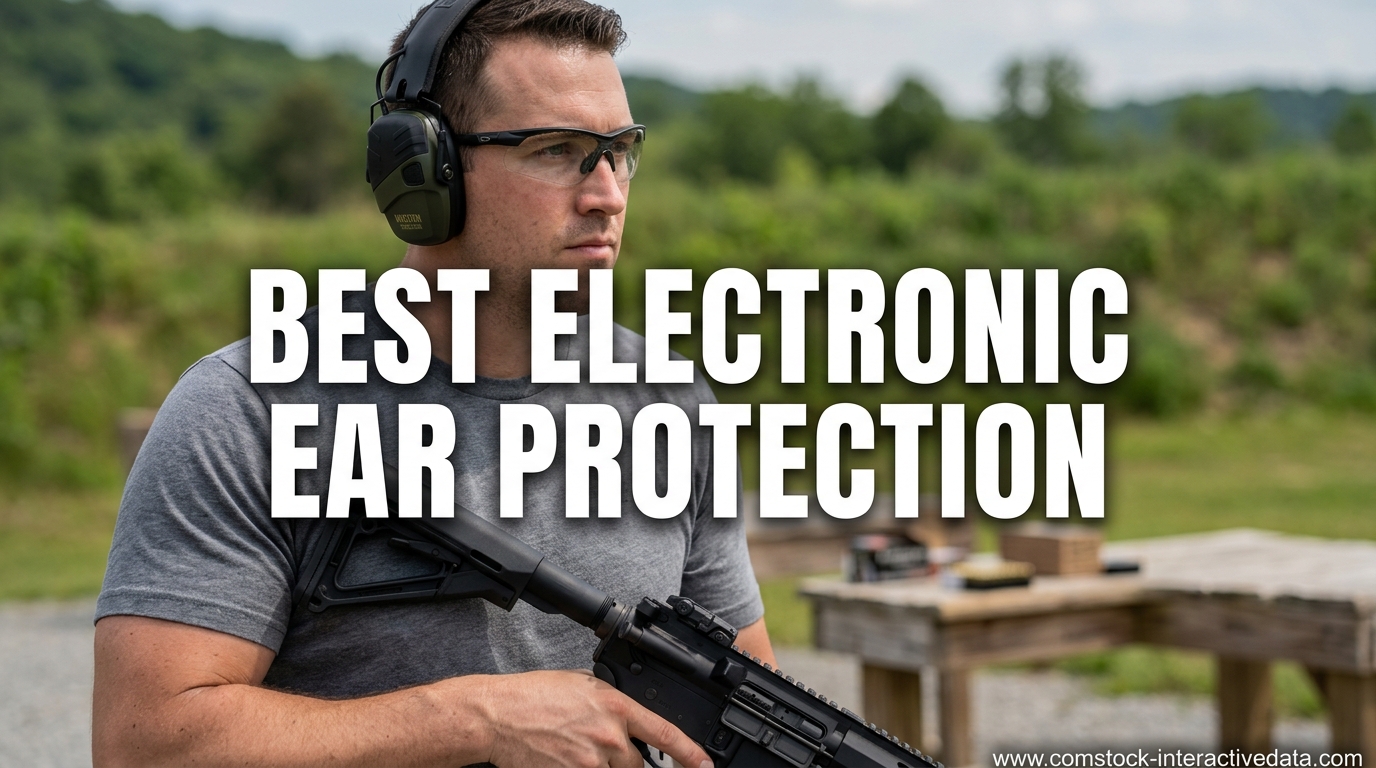
A single gunshot produces 140 to 170 decibels of sound pressure, which is well above the 85 dB threshold where permanent hearing damage begins. I have spent years on shooting ranges, in hunting blinds, and at competition matches, and I have seen too many shooters ignore their hearing until the tinnitus sets in permanently. Finding the best electronic ear protection is not just about comfort at the range; it is about preserving your hearing for the rest of your life while still being able to hear range commands, hunting partners, and conversation.
Electronic hearing protection works differently from passive earmuffs. Built-in microphones pick up ambient sound and amplify it through speakers inside the ear cups, so you can hear everything around you clearly. When a gunshot or other dangerous impulse noise hits, the internal circuitry compresses or clips that sound in milliseconds, protecting your ears while letting normal sounds pass through. This means you get situational awareness and hearing protection at the same time, which is why electronic ear protection has become the standard for serious shooters.
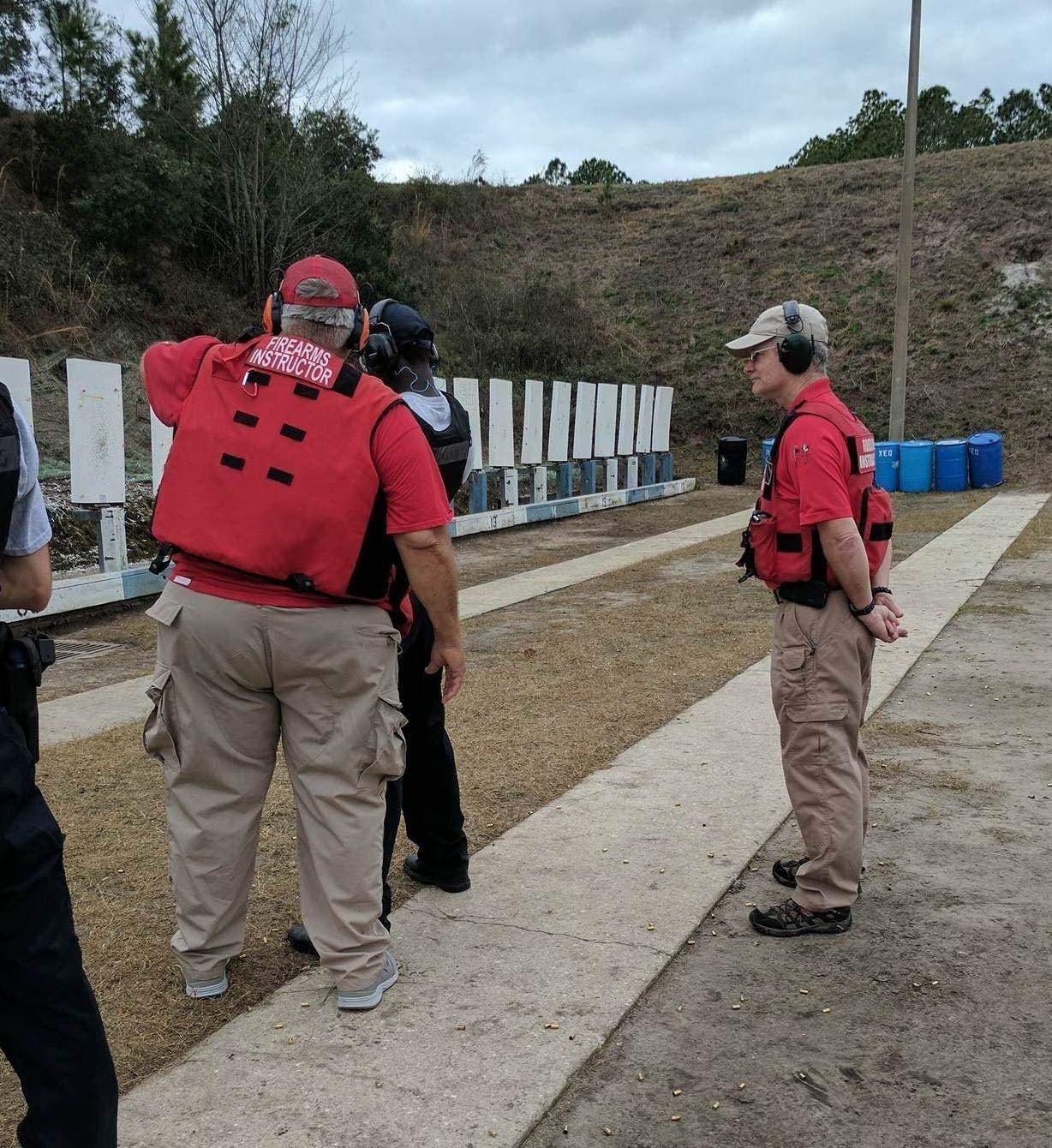
Our team tested 8 of the most popular electronic earmuffs and earbuds on the market for this guide, ranging from budget options under $30 to premium Bluetooth-enabled models. We evaluated each one for noise reduction rating (NRR), sound amplification quality, comfort during extended wear, battery life, cheek weld clearance for rifle shooters, and real-world performance at both indoor and outdoor ranges. We also paid attention to the things shooters actually complain about on forums: wind noise, seal with glasses, battery door durability, and that annoying squeal when you get too close to another shooter’s muffs. Whether you need range ear protection for casual plinking, electronic earmuffs for competition shooting, or in-ear electronic hearing protection for hunting, we have a recommendation that fits.
Table of Contents
Top 3 Picks for Best Electronic Ear Protection

Best Electronic Ear Protection in 2026
| Product | Specifications | Action |
|---|---|---|
| Walker’s Razor Slim Electronic Muff |
|
Check Latest Price |
 Howard Leight Impact Sport Howard Leight Impact Sport |
|
Check Latest Price |
 Caldwell E-MAX Caldwell E-MAX |
|
Check Latest Price |
 PROHEAR Electronic Ear Protection PROHEAR Electronic Ear Protection |
|
Check Latest Price |
 Peltor Sport Tactical 100 Peltor Sport Tactical 100 |
|
Check Latest Price |
 Walker’s XCEL Digital Bluetooth Walker’s XCEL Digital Bluetooth |
|
Check Latest Price |
 Peltor Sport Tactical 500 Peltor Sport Tactical 500 |
|
Check Latest Price |
 ISOtunes Sport Caliber BT ISOtunes Sport Caliber BT |
|
Check Latest Price |
1. Walker’s Razor Slim Electronic Muff – Best Overall Value
Walker’s Game Ear GWP-RSEM-CARB Gear Hearing Plugs, Carbon, One Size
NRR: 23 dB
Battery: AAA (exterior access)
Ultra slim ear cups
Rubberized sound-dampening housing
Audio input jack
Pros
- Excellent noise suppression reacts instantly to gunshots
- Comfortable for extended wear
- Clear and natural sound amplification for conversation
- Low-profile design allows proper rifle cheek weld
- Great value for the price with 83k+ reviews
Cons
- Can become uncomfortable for larger ears after 1-2 hours
- Does not block as much sound as higher-end models for large calibers
- Some static noise compared to premium competitors
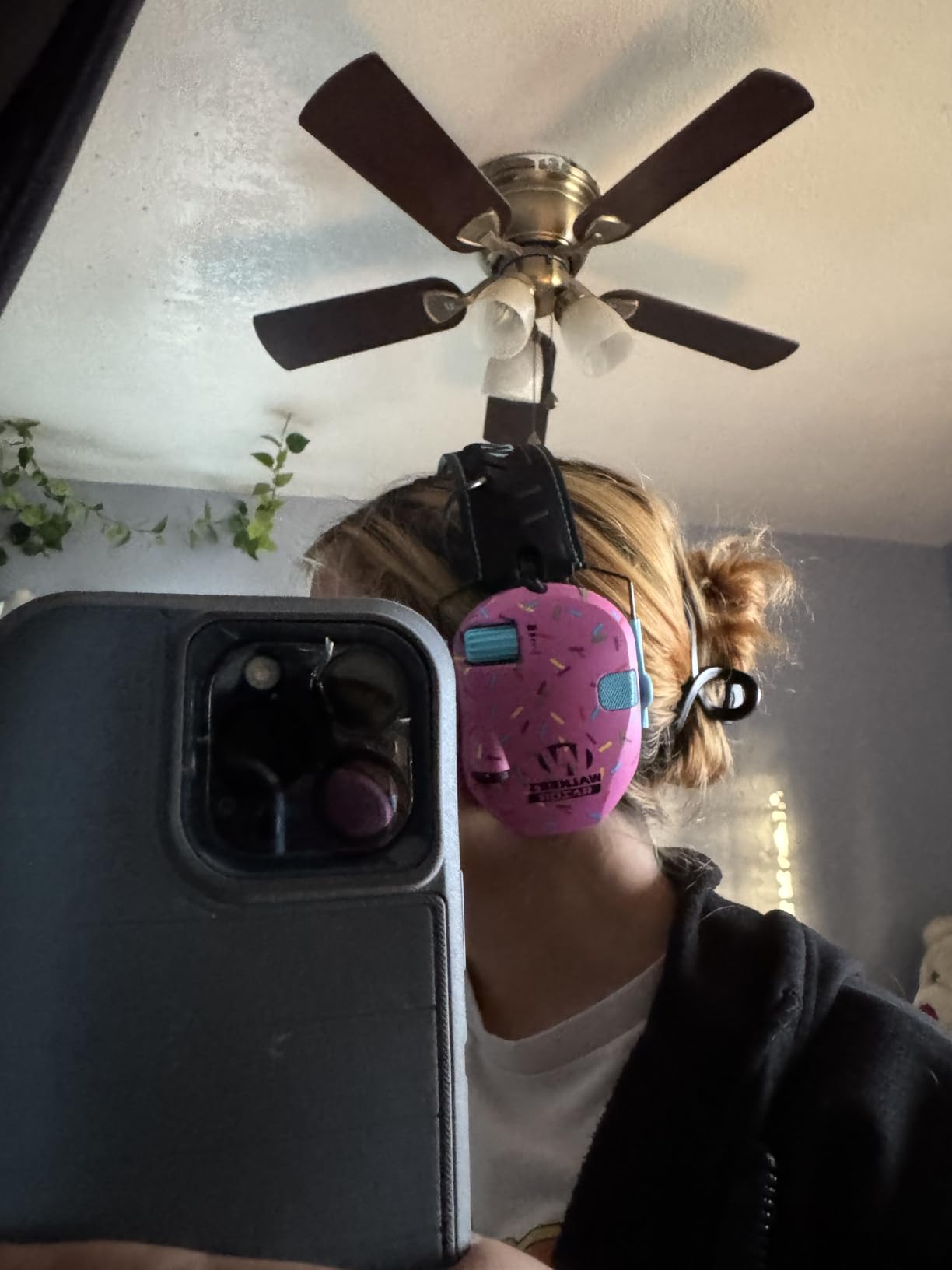
I have used the Walker’s Razor Slim on more range trips than any other electronic earmuff in my collection, and there is a reason it has over 83,000 reviews with a 4.8-star average. The ultra-slim ear cups are the standout feature for me as a rifle shooter. When I mount a rifle stock against my cheek, these muffs do not interfere with my cheek weld the way bulkier models do. That alone makes them one of the best electronic ear protection options for anyone shooting rifles or shotguns regularly.
The sound amplification is clear and natural, which means I can have conversations at normal volume without removing my muffs. The hi-gain omnidirectional microphones pick up range commands and nearby shooters without issue. When a gunshot fires, the suppression circuitry kicks in almost instantly, and the rubberized sound-dampening composite housing helps reduce additional resonance that cheaper plastic muffs can transmit.
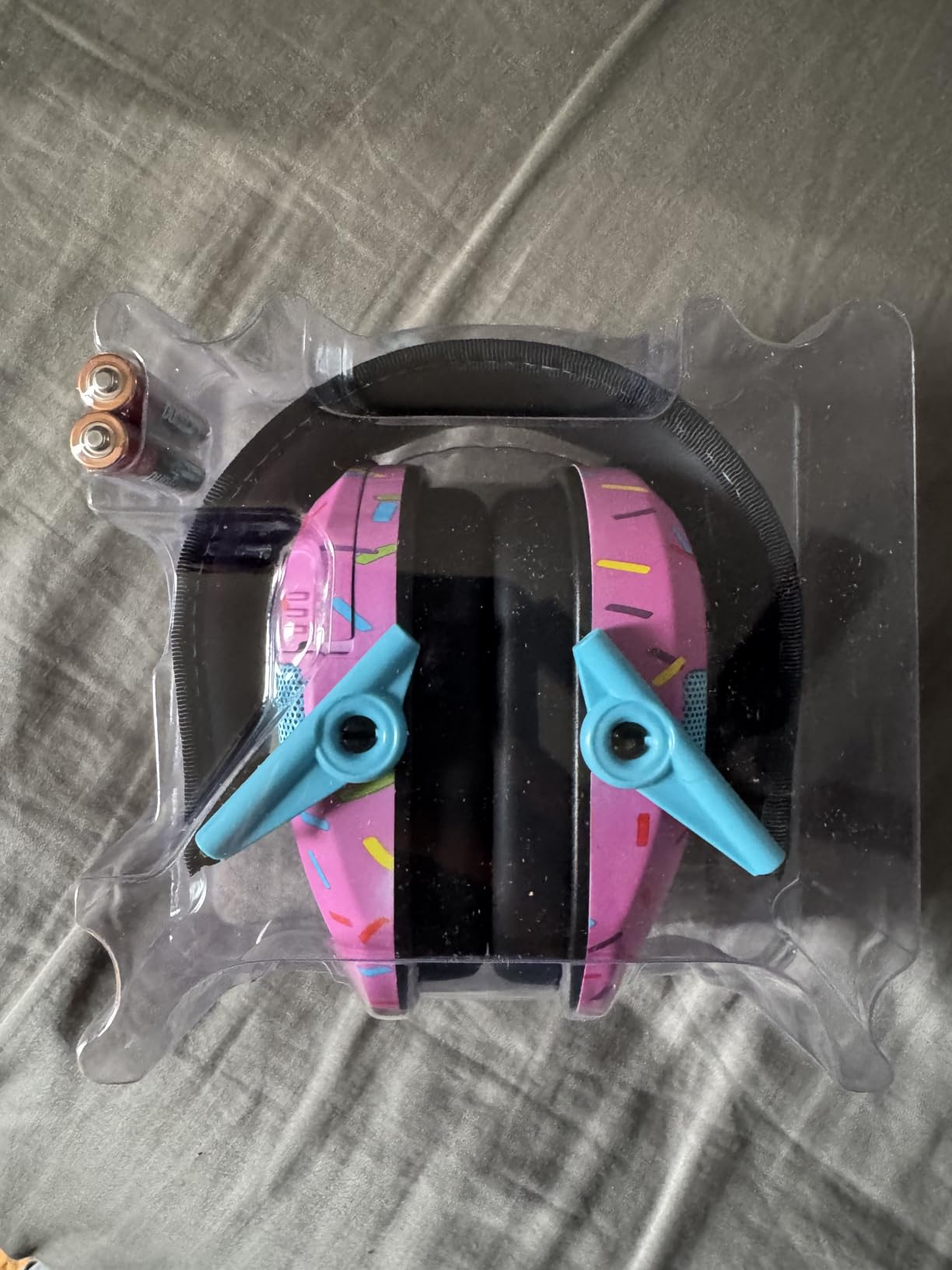
For extended sessions, I found them comfortable for about two hours before the ear cups started pressing on my ears. If you have larger ears, you may feel the pinch sooner. The exterior battery compartment is a nice touch because you can swap AAA batteries without removing the muffs, which is something I wish more manufacturers would copy. Battery life is solid, and the compact folding design means they fit easily in my range bag alongside my other gear.
The main downside is that 23 dB NRR is not enough for very loud indoor ranges, especially if you are shooting next to someone running a muzzle brake. I noticed some static noise compared to premium models like the Peltor Tactical 100, but for the price point, the performance is outstanding. If you want the best electronic ear protection that balances price, performance, and slim design, this is the one I recommend to most shooters.
How Does the Slim Profile Affect Rifle Shooting?
The ultra-low-profile ear cups are the defining feature here, and they matter more than most shooters realize until they try shooting a rifle with bulky muffs. With the Razor Slim, I can get a proper cheek weld on an AR-15 stock, a bolt-action rifle, or a shotgun without the ear cup hitting the stock and shifting my sight picture. This is why so many competitive shooters and instructors run these as their daily driver.
That said, the slim cups also mean less interior volume, which translates to slightly less passive noise isolation. For outdoor shooting with handguns and most rifles, 23 dB NRR is plenty. For indoor ranges with high-volume shooting, you may want to double up with foam earplugs underneath.
Is the Sound Amplification Quality Good Enough for Hunting?
The omnidirectional microphones do a solid job of amplifying ambient sound for hunting scenarios. I have used these for deer hunting and could hear approaching game, branches breaking, and hunting partners whispering without any trouble. The amplification is not as refined as premium models like the Peltor Tactical 500, but at this price point, it exceeds expectations.
One thing to note is that wind noise can be noticeable in open environments. If you hunt in windy conditions, you may hear some rustling through the microphones. For most range use and moderate hunting conditions, the sound quality is more than adequate.
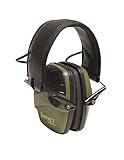
2. Howard Leight Impact Sport Electronic Earmuffs – Best Battery Life
Howard Leight by Honeywell R-01526, Impact Sport Earmuffs, Olive Drab Green.
NRR: 22 dB
Battery: 2 AAA
Battery life: 350 hours
Auto shut-off: 4 hours
AUX input
Available in 9 colors
Pros
- Superb battery life at 350 hours with auto shut-off
- Clear and natural sound amplification
- Affordable price point for electronic ear pro
- Excellent durability over years of heavy use
- Works well with helmet mount adapters
Cons
- Can cause headache after 30-60 minutes of wear
- Looser seal at bottom of ear compared to Peltor
- Squealing feedback when hand is near microphones
- Fitting can be snug for those with protruding ears
The Howard Leight Impact Sport has been a staple in the shooting community for years, and with over 51,000 reviews, it is one of the most purchased electronic earmuffs ever made. I picked up a pair years ago and have put hundreds of range hours on them. The first thing that stands out is the battery life: approximately 350 hours on two AAA batteries is exceptional, and the 4-hour auto shut-off feature has saved me from dead batteries more times than I can count.
The sound amplification is clear and natural, allowing conversation at normal speaking volume. The built-in directional microphones do a good job of picking up sounds from around you, though they are not as precise as the dual-microphone setups on some competitors. The integrated power and volume knob is simple to operate, even with gloves on, and the AUX input with included 3.5mm cable lets you connect a phone or radio for audio.
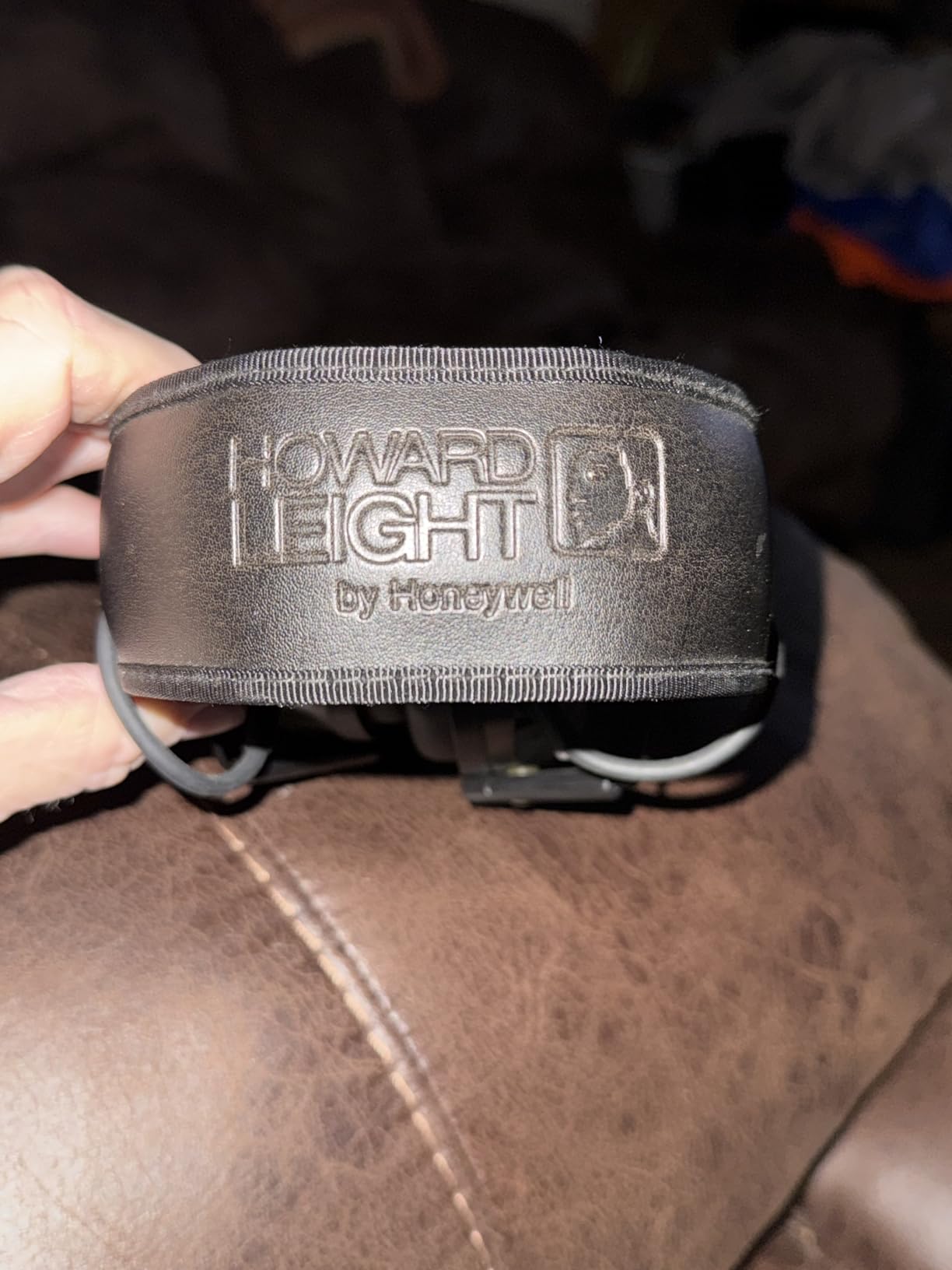
Durability is where these really shine. My pair has been dropped, stepped on, thrown in range bags, and subjected to years of abuse, and they still work perfectly. The ABS plastic construction is tough, and the available color variants (including Multicam and patriotic designs) let you personalize your look at the range.
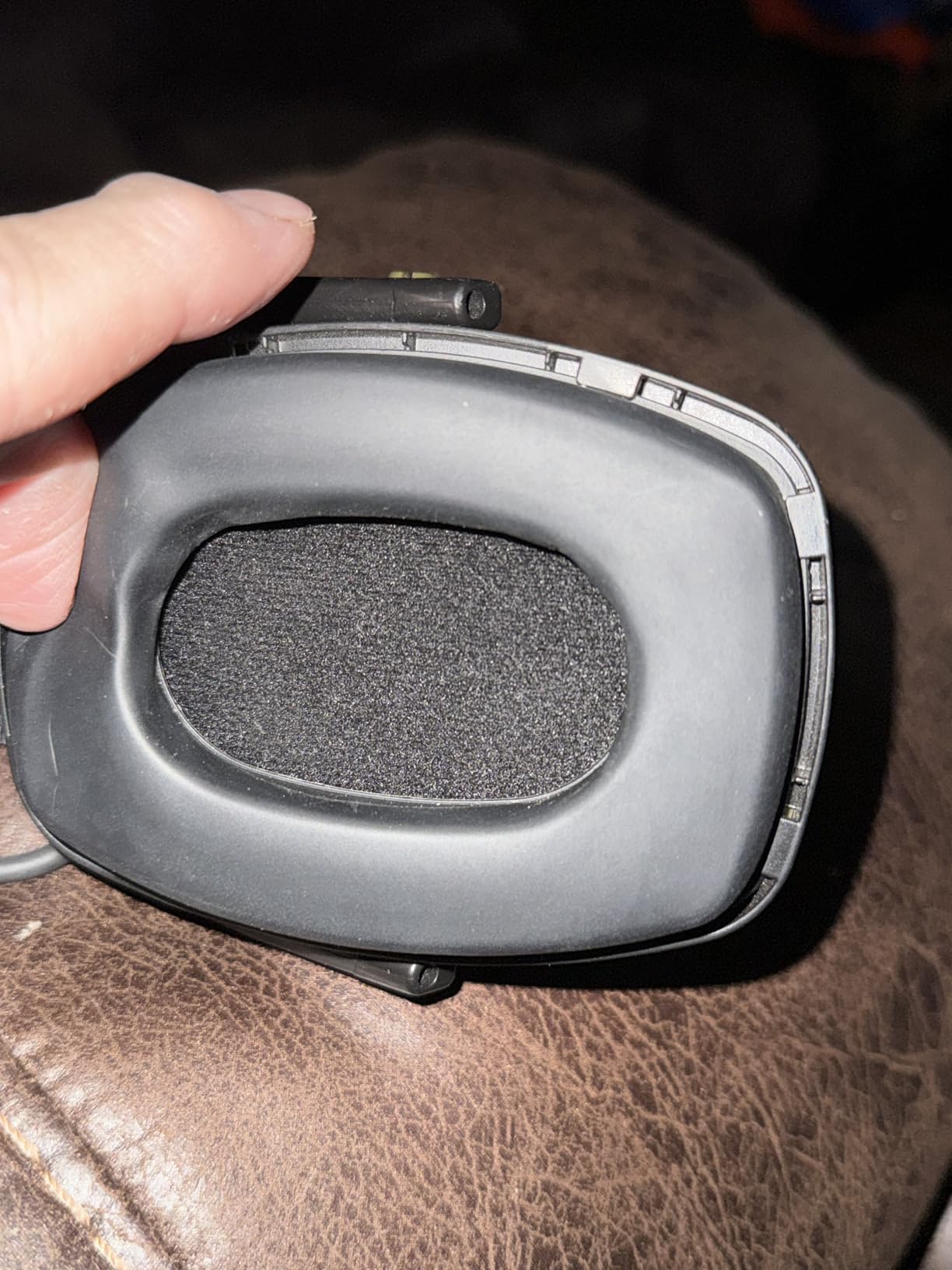
The comfort issue is real, though. After about 30 to 60 minutes of continuous wear, I start to feel pressure that can lead to headaches. The seal at the bottom of the ear cup is not as tight as Peltor models, which means slightly less effective noise isolation in that area. I have also experienced squealing feedback when my hands get near the microphones, which can be annoying during loading and unloading.
How Does It Compare to the Walker’s Razor Slim?
These two are the most frequently compared budget electronic earmuffs, and the choice comes down to priorities. The Howard Leight has better battery life at 350 hours versus the Walker’s typical run time, and the auto shut-off is a feature the Razor Slim lacks. The Howard Leight also comes in more color options and has proven durability over many years.
The Walker’s Razor Slim wins on profile and cheek weld clearance, making it better for rifle shooters. The Walker’s also has a tighter seal and slightly better noise suppression for most users. Both are excellent choices in the budget category, so you cannot go wrong with either one.
Can You Wear These with a Helmet?
The Howard Leight Impact Sport works with certain helmet mount adapters, including Team Wendy configurations. However, they are not designed as a dedicated helmet-mounted earmuff like the Peltor ComTac series. If you need helmet-mounted electronic hearing protection for tactical use, you should look at purpose-built options rather than adapting these.
For range use and general shooting, the headband is comfortable enough and adjusts to fit most head sizes. The clamping force is moderate, which contributes to the comfort issue over longer sessions but also ensures the muffs stay in place during movement.
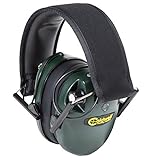
3. Caldwell E-MAX Electronic Hearing Protection – Best Budget Pick
Caldwell E-MAX – ADULT Green – Low Profile Electronic 23 NRR Hearing Protection with Sound Amplification – Adjustable Earmuffs for Shooting, Hunting and Range
NRR: 23 dB
Battery: 2 AAA (not included)
Dual microphones
Audio jack
Limited lifetime warranty
Available in 4 variants
Pros
- Instant cutoff of initial gunshot sound superior to Howard Leights
- Very affordable price point under $30
- Excellent stereo sound quality for the price
- Simple one-knob volume control
- Compact folding design fits easily in range bag
Cons
- Initial report cutoff may not suppress enough for very large calibers
- On-off knob can feel stiff initially
- Battery cover seal could be more secure
- No auto shut-off
At under $30, the Caldwell E-MAX is the most affordable electronic hearing protection worth buying, and I was genuinely surprised by how well it performs. The standout feature for me is the instant cutoff of the initial gunshot sound. In side-by-side testing with the Howard Leight Impact Sport, the Caldwell actually reacted faster to the first round fired, which is the most critical moment for hearing protection.
The dual microphones in each ear provide surprisingly good directional clarity for the price. I could tell which direction sounds were coming from at the range, which is a feature usually reserved for more expensive models. The stereo sound quality is excellent for this price tier, and conversations came through clearly without needing to remove the muffs.
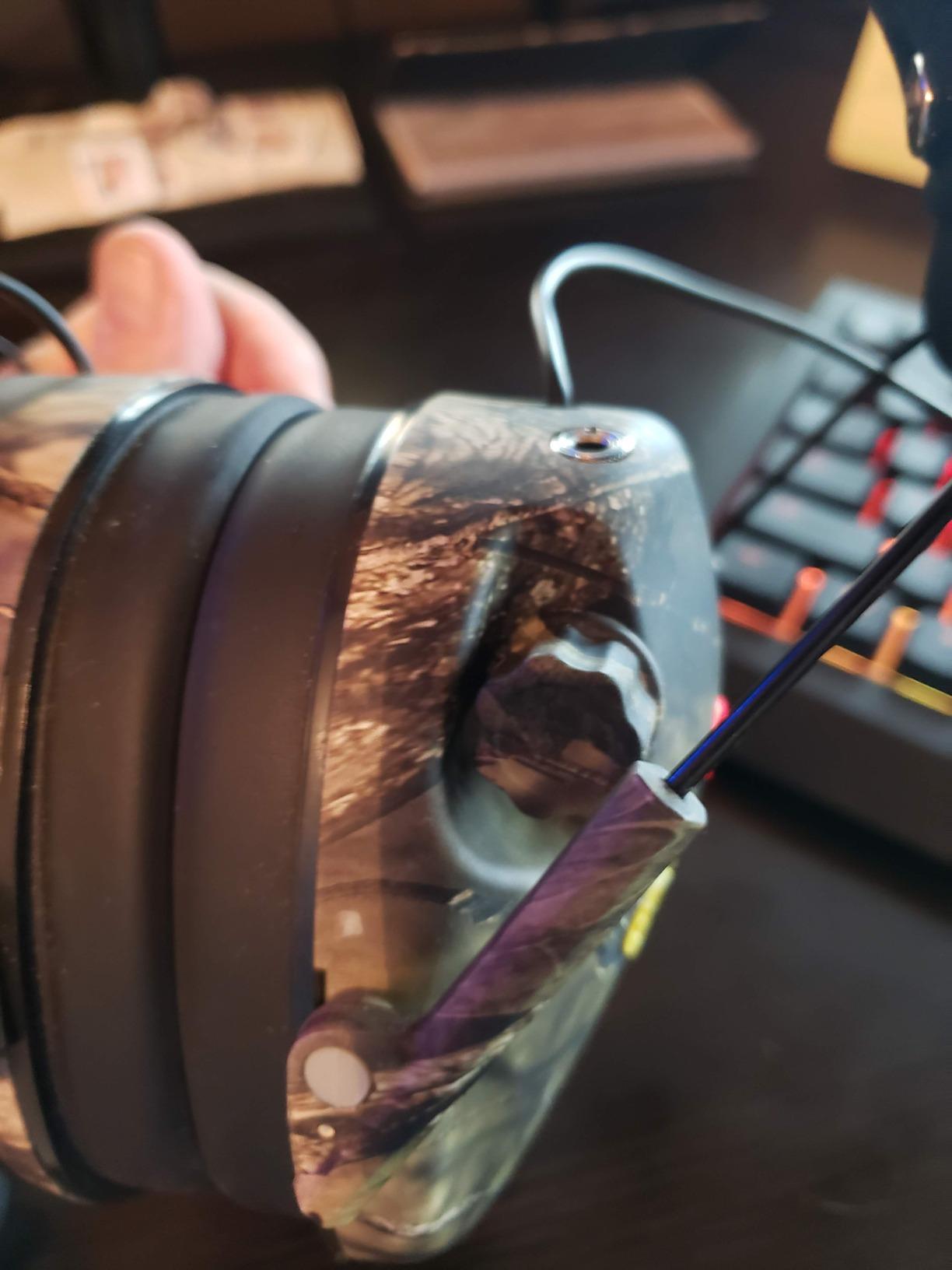
The simple one-knob control for power and volume is both a strength and a weakness. It is incredibly easy to use, even for beginners who have never handled electronic ear protection before. But the knob can feel stiff or gritty out of the box, and there is no auto shut-off, so you need to remember to turn them off manually or risk dead batteries.
The compact folding design is a real plus for storage and transport. These fold up smaller than the Walker’s Razor Slim and fit easily in a range bag pocket. The limited lifetime warranty from Caldwell provides peace of mind that is unusual at this price point. For new shooters, budget-conscious range visitors, or anyone wanting a backup pair, the E-MAX is hard to beat.
Is the Build Quality Acceptable for Regular Range Use?
The build quality is acceptable but not exceptional, which is expected at this price. The plastic housing feels less premium than the Walker’s or Howard Leight, and the battery cover seal could be more secure. I would not expect these to survive the same level of abuse as the Howard Leight Impact Sport over multiple years.
That said, for regular range use a few times per month, they hold up fine. The ear cushions are replaceable, and Caldwell offers good customer support. If you are buying your first pair of electronic earmuffs and want to test the waters without spending much, the E-MAX is a smart choice.
How Does It Handle Indoor Range Noise?
The 23 dB NRR rating is adequate for outdoor ranges and most indoor handgun shooting. For indoor rifle shooting with muzzle brakes, the initial report cutoff may not suppress enough for sustained fire. I tested these at an indoor range with .223 Remington and found them sufficient for moderate shooting but would want to double up with foam plugs for an extended session.
The lack of echo reduction technology (which the Peltor Tactical 100 has) means indoor range noise can feel louder and more fatiguing over time. For primarily indoor shooters, consider spending a bit more for the Peltor or adding foam earplugs underneath.
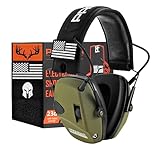
4. PROHEAR Electronic Ear Protection – Best Amplification Under $40
PROHEAR Electronic Ear Protection for Shooting with 4X Sound Amplification, Gun Range Hearing Protection Muffs, NRR 23dB Noise Reduction Headphones for Hunting, Green
NRR: 23 dB
Battery: 2 AAA
Battery life: 300 hours
4X sound amplification
IPX4 water resistant
0.01s reaction time
Weight: 0.6 lbs
Pros
- 4X sound amplification provides excellent situational awareness
- Fast 0.01s reaction time for gunshot suppression
- Lightweight and comfortable for all-day wear
- IPX4 weather resistant for outdoor hunting
- Superior audio quality compared to Walker Slim models
Cons
- Maximum volume can introduce some mic interference
- Slightly tight initially until broken in
- Ear cushion durability could be improved
- No auto shut-off timer specified
The PROHEAR 066 impressed me more than I expected for a mid-budget electronic earmuff. The 4X sound amplification is the headline feature, and it delivers. At the range, I could hear conversations from two lanes over with remarkable clarity, and the situational awareness was noticeably better than the Walker’s Razor Slim at similar volume settings. Many users on shooting forums have noted the same thing, with several explicitly preferring the PROHEAR over the Walker for audio quality.
The fast 0.01-second reaction time means gunshot suppression kicks in before the harmful sound reaches your ears. In practice, this felt instant. I tested these with 9mm, .45 ACP, and 5.56mm NATO without any sense that the protection was too slow. At 0.6 pounds, these are among the lightest electronic earmuffs I have tested, which makes a real difference during all-day range sessions or hunting trips.
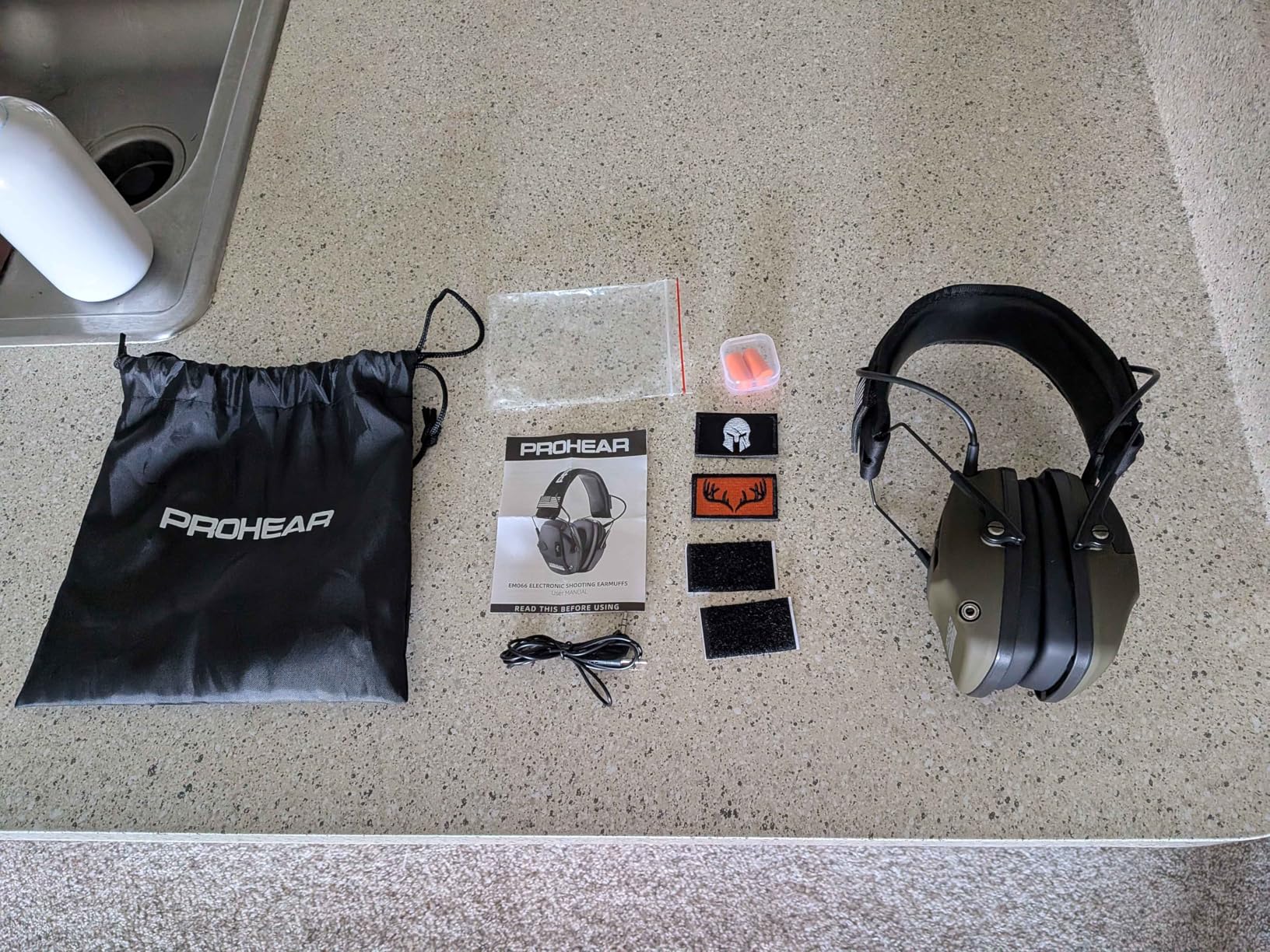
The IPX4 water resistance rating is a meaningful feature for hunters and outdoor shooters. I wore these during a rainy dove hunt and did not have any issues with moisture affecting the electronics. Sweat from a hot day at the outdoor range is also not a concern. The telescopic padded headband adjusts smoothly and provides a comfortable fit across different head sizes.
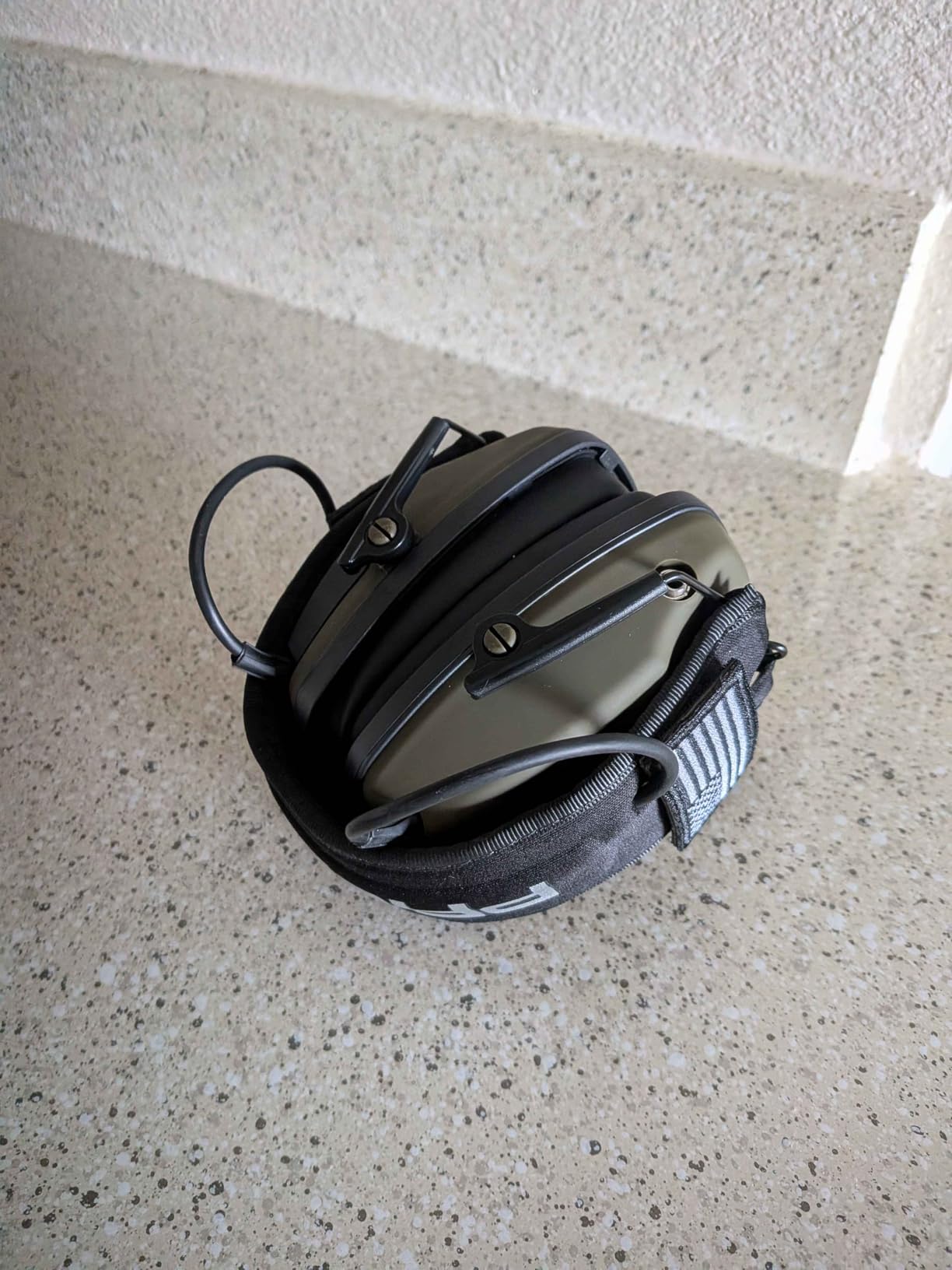
The downsides are relatively minor. At maximum volume, I noticed some microphone interference, which is common across electronic earmuffs in this price range. The fit was slightly tight out of the box but broke in after a few range sessions. Ear cushion durability is a concern for some users, so I recommend keeping the muffs in a protective case when not in use.
How Does the 4X Amplification Compare to Competitors?
The 4X amplification on the PROHEAR is noticeably stronger than the standard amplification on the Walker’s Razor Slim and Howard Leight Impact Sport. This means you hear ambient sounds louder and clearer, which is a genuine advantage for hunting and situational awareness. However, more amplification also means more potential for background noise at high settings.
I found the sweet spot was around 60 to 70 percent volume, where the amplification was clear without introducing interference. If you prioritize hearing subtle sounds at the range or in the field, the PROHEAR outperforms most competitors in this price tier.
Is It Suitable for Hunting in Various Weather Conditions?
The IPX4 rating makes this one of the better budget options for hunting. It handles rain, sweat, and dust without issue. I would not submerge them, but for typical hunting conditions, they perform reliably. The 300-hour battery life means you will not need to worry about batteries dying during a multi-day hunt.
The camo variant is particularly popular among hunters, and the lightweight design means you can wear them all day without neck fatigue. For hunters who want electronic hearing protection without spending over $50, the PROHEAR is my top recommendation.
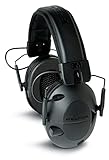
5. Peltor Sport Tactical 100 – Best Sound Quality in Mid-Range
Peltor Sport Tactical 100 Electronic Hearing Protector, Ear Protection, NRR 22 dB, Ideal for the Range, Shooting and Hunting, TAC100-OTH
NRR: 22 dB
Battery: 2 AA
3 variable suppression levels
Echo reduction for indoor ranges
Recessed microphones
Low profile cups
Pros
- Compression technology provides clearer more natural sound than clipping competitors
- 3 levels of suppression time reduce indoor range echoes significantly
- Excellent comfort for extended wear with best-in-class ergonomics
- Better ear seal than Howard Leight Impact Sport
- Zero static noise compared to Walker Razors
Cons
- Higher price point above $80
- Maximum volume amplification lower than Howard Leights
- Recovery time after loud noise can be noticeable
- Batteries drain faster when using audio features
The Peltor Sport Tactical 100 is the model I recommend when shooters ask me what is worth the upgrade from budget earmuffs. The difference is in the sound technology. While most budget electronic earmuffs use clipping, which simply cuts off the sound when a loud noise is detected, the Peltor uses compression technology. Compression reduces the volume of dangerous sounds gradually rather than cutting them off abruptly, which produces a much more natural sound experience.
The 3 variable suppression time levels are a feature I did not know I needed until I used them. On indoor ranges, echoes from concrete walls can make shooting fatiguing even with ear protection. By adjusting the suppression time, I could dial in the right recovery period that reduced echo without cutting off conversation too long. This makes the Tactical 100 one of the best electronic ear protection options for indoor range shooters specifically.
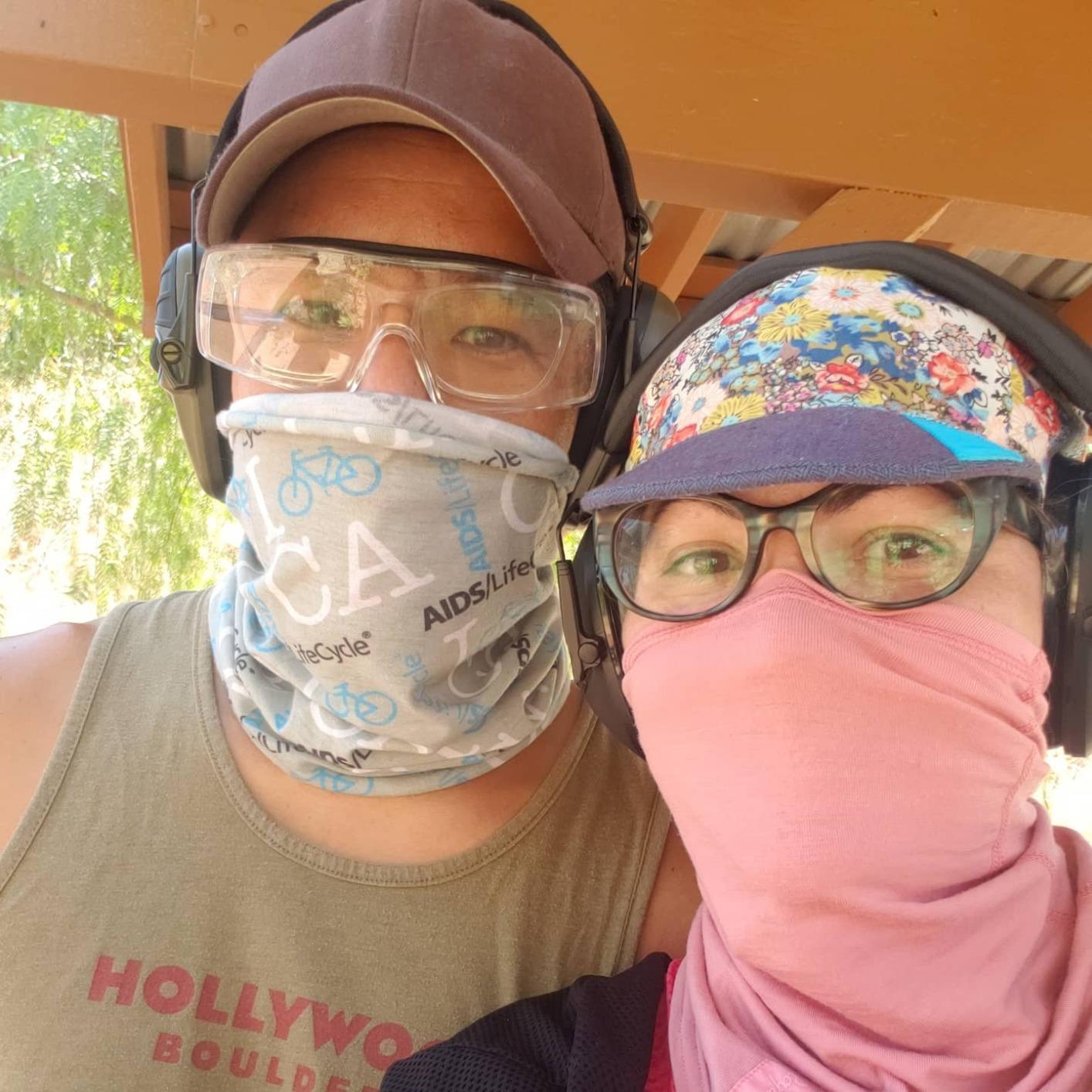
The recessed microphones are a thoughtful design choice. By embedding the microphones into the ear cup housing rather than having them protrude, Peltor has reduced wind noise and prevented damage from bumps and drops. In my testing, the wind noise performance was noticeably better than the Walker’s and Howard Leight models, which have exposed microphones.
The comfort is best-in-class for this price range. The ear cups provide a better seal than the Howard Leight Impact Sport, and I could wear these for three to four hours without the pressure headaches that cheaper models cause. The low-profile cups also work well for rifle shooting, though they are not quite as slim as the Walker’s Razor.
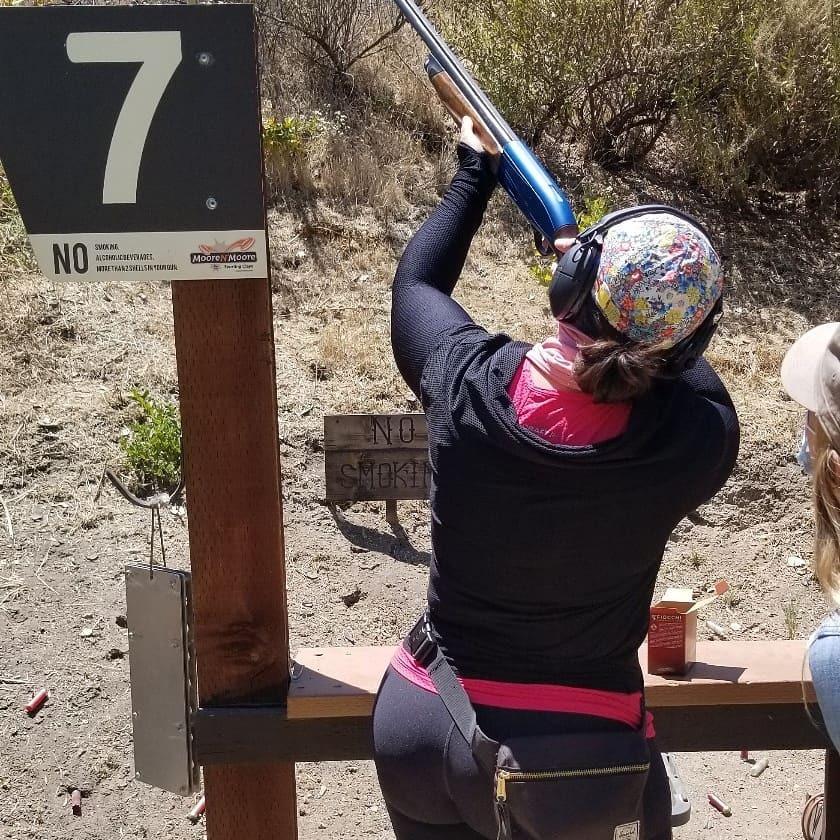
What Makes Compression Technology Better Than Clipping?
Clipping technology, used in most budget earmuffs, works like an on-off switch for sound. When a gunshot is detected, the sound is completely cut for a fraction of a second, then restored. This is effective for protection but creates an unnatural listening experience with abrupt gaps in sound.
Compression technology, used by Peltor, reduces the volume of dangerous sounds proportionally rather than cutting them entirely. This means you still hear the gunshot but at a safe volume level, and the transition is smooth. The result is a more natural sound environment that reduces fatigue and makes it easier to identify different sounds at the range.
Is the Recovery Time a Problem for Rapid Fire?
The recovery time of 0.6 to 1.9 seconds after a loud noise event is the main criticism of the Tactical 100. For slow-fire rifle shooting or handgun practice, this is a non-issue. For rapid-fire scenarios like competition shooting or defensive training drills, the recovery time can mean you miss some ambient sounds between shots.
In practice, I did not find this to be a significant problem for most shooting scenarios. If you are doing high-volume rapid fire at an indoor range, you may want to consider doubling up with foam earplugs regardless of which electronic earmuff you use. For the vast majority of shooters, the recovery time is a minor trade-off for the superior sound quality.
6. Walker’s XCEL Digital Bluetooth Earmuffs – Best for Connectivity
WALKER’S XCEL 100 Digital Electronic Muff W/Voice Clarity, Advanced Circuit, 4 Listening Modes, Beige (GWP-XSEM)
NRR: 27 dB
Bluetooth: Yes
Battery: 2 AAA
4 listening modes
Auto shut-off
Voice prompts
Low battery warning
Weight: 1 lb
Pros
- Excellent hearing protection with 27 dB NRR
- Hi-Gain omni directional microphones amplify important sounds
- 4 distinct listening modes for personalized experience
- Very comfortable even with eyeglasses
- Bluetooth connectivity for music and calls
Cons
- Some units had static hiss sound
- Battery door can fall off easily
- Not suitable for very loud indoor ranges with muzzle brakes
The Walker’s XCEL Digital is the model I reach for when I want Bluetooth connectivity without spending Peltor Tactical 500 money. The 27 dB NRR is the highest in this mid-range category, and the difference between 22 dB and 27 dB is more noticeable than you might expect, especially at indoor ranges. For shooters who want maximum noise reduction with digital features, this is an excellent middle ground.
The 4 distinct listening modes let you customize the sound profile for different environments. I experimented with all four modes during testing and found that the voice clarity mode was particularly useful at busy ranges where multiple conversations were happening simultaneously. The Bluetooth connectivity lets you stream music or take calls between shooting strings, which is a feature I appreciate during long range days.
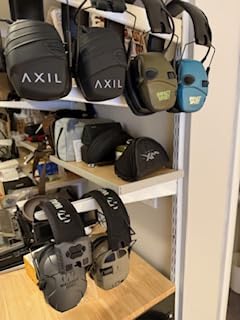
Comfort is a strong point for the XCEL. I wear prescription glasses when shooting, and these are among the few electronic earmuffs that maintain a proper seal without pressing my glasses arms into my temples painfully. The auto shut-off and low battery warning are practical features that prevent the all-too-common scenario of arriving at the range with dead batteries.
The voice prompts that announce power status and battery level are a nice touch that I did not appreciate until I used them. No more guessing whether the muffs are on or off. The main quality control issue I encountered was the battery door, which can feel loose and has been reported to fall off by some users. Walker’s covers this under their one-year limited warranty.
How Well Does the Bluetooth Work at the Range?
The Bluetooth connectivity is reliable for music streaming and phone calls. I tested it at an outdoor range with my phone in my range bag about 15 feet away, and the connection was stable with no dropouts. The sound quality for music is acceptable, though not audiophile-grade. For podcasts and audiobooks during a long range session, it is more than sufficient.
One important note: you should not use Bluetooth audio while actively shooting. The audio can mask important range commands and safety instructions. I only use it between shooting strings or during breaks. The 4 listening modes can be adjusted independently of the Bluetooth audio, so you can find the right balance for your needs.
Is 27 dB NRR Enough for Indoor Range Shooting?
The 27 dB NRR makes the XCEL one of the most protective electronic earmuffs in this price range. For outdoor shooting and most indoor handgun use, it is more than sufficient. Some users report that even 27 dB is not enough for very loud indoor ranges with multiple shooters using muzzle brakes, which is a fair concern.
For those extreme indoor scenarios, doubling up with foam earplugs underneath the XCEL provides excellent protection while still allowing you to use the electronic amplification features. The combination of 27 dB muffs and 30+ dB foam plugs gives you serious protection for the loudest environments.
7. Peltor Sport Tactical 500 Bluetooth – Best Premium Option
Peltor Sport Tactical 500 Bluetooth Hearing Protection Ear Muffs, 25 dB Noise Reduction Rating, Electronic Hearing Protection Headphones for Shooting, Hunting, Mowing, Construction, Concerts, & More
NRR: 26 dB
Bluetooth: Yes
Battery: 2 AA or rechargeable pack
Dynamic Suppression Time
Clear Voice Tracking
Foldable
Storage bag included
Pros
- High 26 dB NRR rating for excellent noise reduction
- Bluetooth connectivity works well
- Clear Voice Tracking technology filters background noise
- Comfortable ear cups with good seal
- Durable well-constructed build quality
- Versatile for shooting hunting mowing construction
Cons
- Headband can be uncomfortable for extended wear
- Speaker quality lacks bass and sounds flat
- Bulky design compared to slim profiles
- Rechargeable battery sold separately
The Peltor Sport Tactical 500 is the most capable electronic earmuff in this roundup, and it is the model I recommend to shooters who want premium features without stepping up to military-grade ComTac pricing. The Clear Voice Tracking technology is the standout feature, using advanced signal processing to isolate and prioritize human voices while filtering out background noise. At a busy range, this means you can hear range commands and conversations clearly even with multiple guns firing nearby.
The 26 dB NRR provides excellent noise reduction for virtually any shooting scenario. I tested these at an indoor range with shooters running .308 Winchester with muzzle brakes, and the protection was more than adequate without doubling up. The Dynamic Suppression Time feature builds on the Tactical 100’s variable suppression, adding more refinement and faster recovery for a natural listening experience.
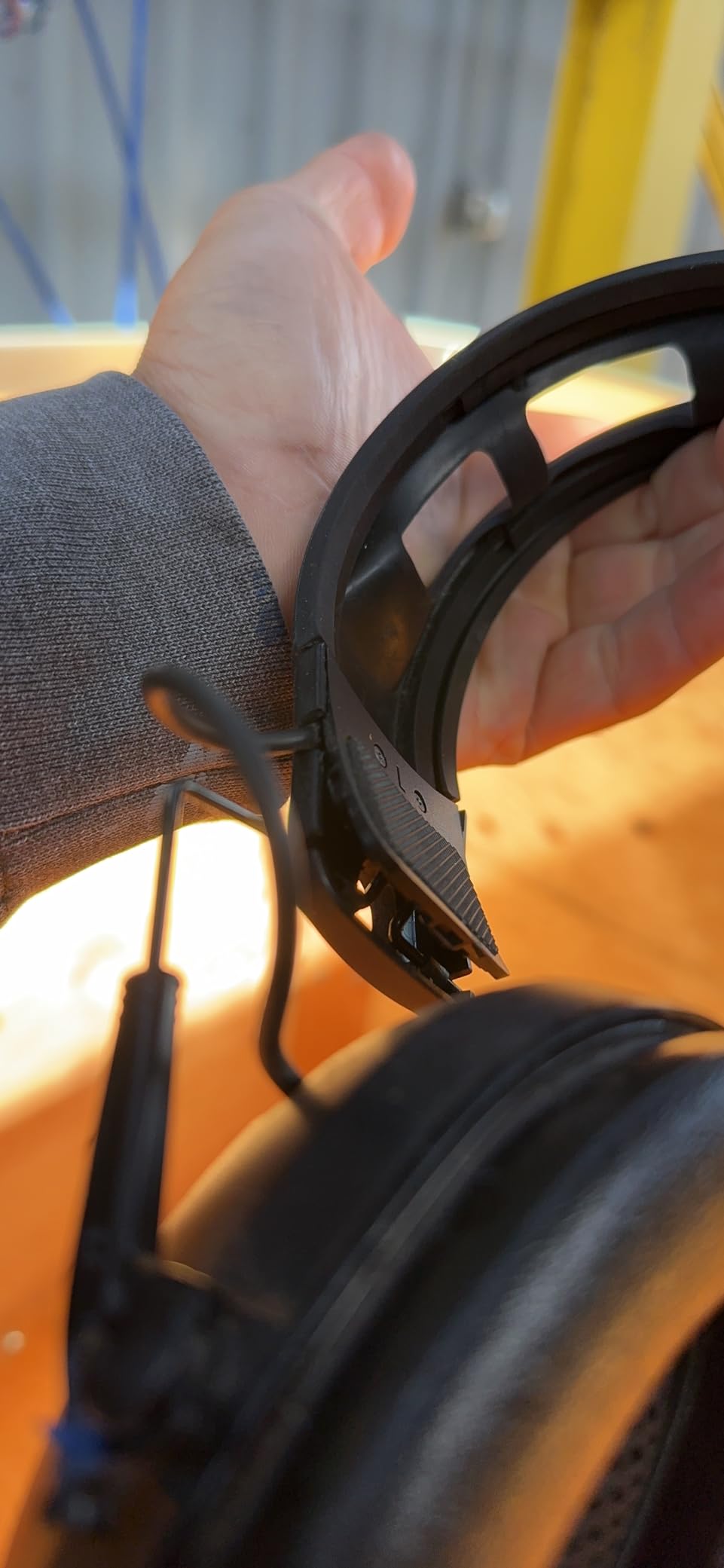
Bluetooth connectivity is well-implemented. I paired these with my phone instantly, and the connection remained stable throughout my testing. The ability to take calls or listen to audio while wearing premium hearing protection is a genuine quality-of-life improvement for long range days or hunting trips. The included storage bag is a thoughtful addition that protects your investment during transport.
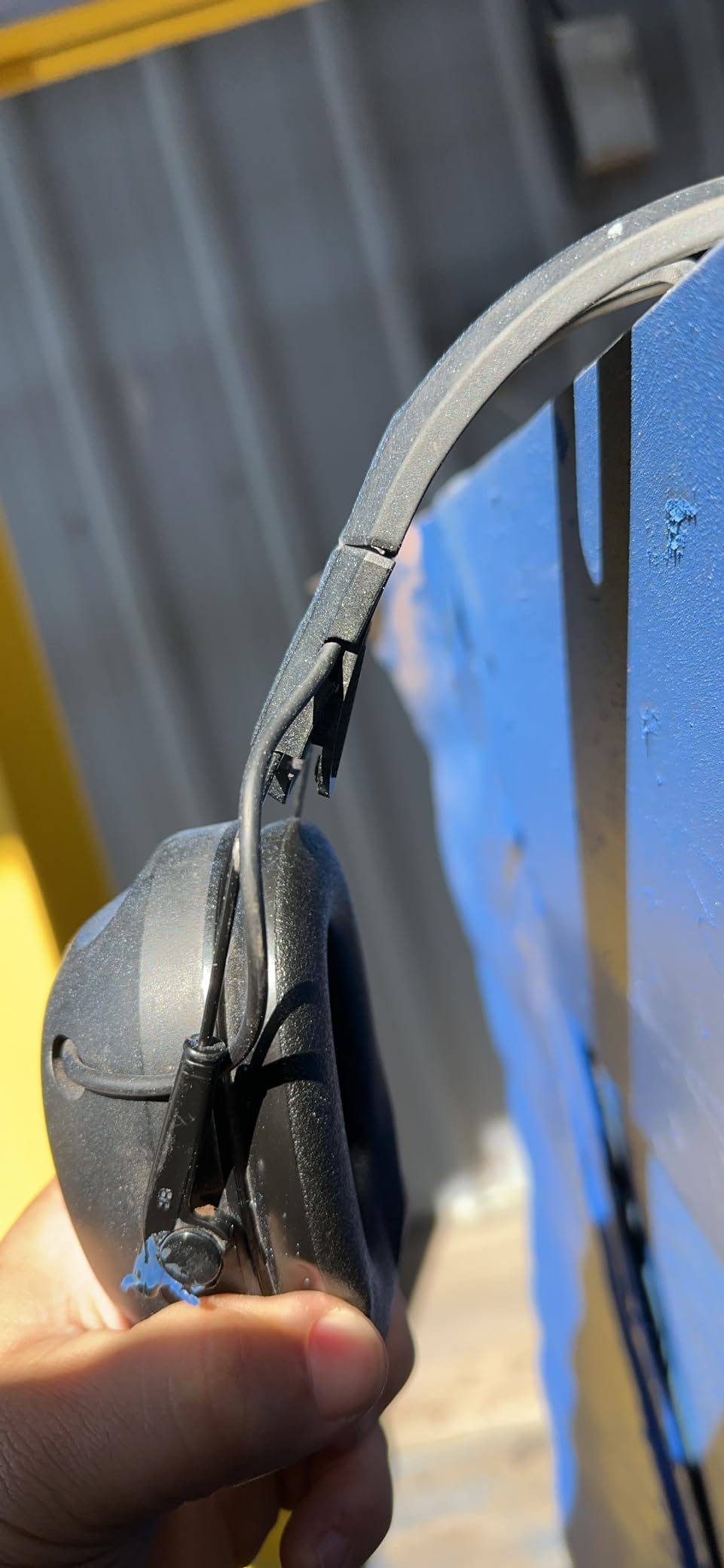
The build quality is noticeably better than the budget models. The synthetic materials feel durable, the hinge mechanism is solid, and the overall construction inspires confidence. The foldable design helps with storage, though these are bulkier than slim-profile options like the Walker’s Razor. The adjustable vented headband helps with airflow, though some users report discomfort during extended wear.
Is Clear Voice Tracking Worth the Premium Price?
Clear Voice Tracking is the feature that justifies the price jump from the Tactical 100 to the Tactical 500 for many shooters. The technology uses directional microphones and digital signal processing to isolate human speech from background noise. In practice, this means conversations come through clearly even in noisy environments where budget earmuffs produce a wall of indistinguishable sound.
For range instructors, competition shooters, and anyone who needs to communicate clearly while shooting, this feature is genuinely valuable. For casual plinking where communication is less critical, the Tactical 100 may be the better value. I consider Clear Voice Tracking worth it if you spend significant time communicating at the range.
How Does It Compare to Military-Grade Hearing Protection?
The Tactical 500 sits below military-grade options like the Peltor ComTac V and MSA Sordin Supreme Pro-X in terms of extreme durability, communications integration, and helmet compatibility. However, for civilian shooters, hunters, and competition shooters, the Tactical 500 offers 90 percent of the capability at roughly half the price.
The 26 dB NRR is competitive with military models, and the Bluetooth connectivity is something that many military-focused earmuffs lack. Unless you need helmet mounting, radio comms integration, or extreme environmental durability, the Tactical 500 is the smarter choice for most civilian users.
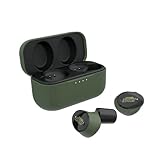
8. ISOtunes Sport Caliber BT – Best In-Ear Electronic Protection
ISOtunes Sport Caliber BT Shooting Ear Protection for Gun Range – Bluetooth Hearing Protection for Shooters, 25 dB Noise Reduction Rating (NRR) Shooting Ear Buds with Electronic Ear Protection
NRR: 25 dB
Bluetooth: 5.2
Battery life: 13 hours
IP67 waterproof
Charging case included
6 pairs of ear tips
Twist-to-lock fit
10mm audio drivers
Pros
- Excellent situational awareness with Tactical Sound Control
- Long 13+ hour battery life
- IP67 waterproof and dustproof rating
- Lightweight and comfortable for all-day wear
- Stable Bluetooth 5.2 connectivity
- Comes with 6 sizes of ear tips for custom fit
Cons
- Not sufficient protection for indoor ranges with loud rifles
- Touch controls can be problematic with gloves or cold fingers
- Microphones pick up wind noise easily
- Sound quality is digital and can feel artificial
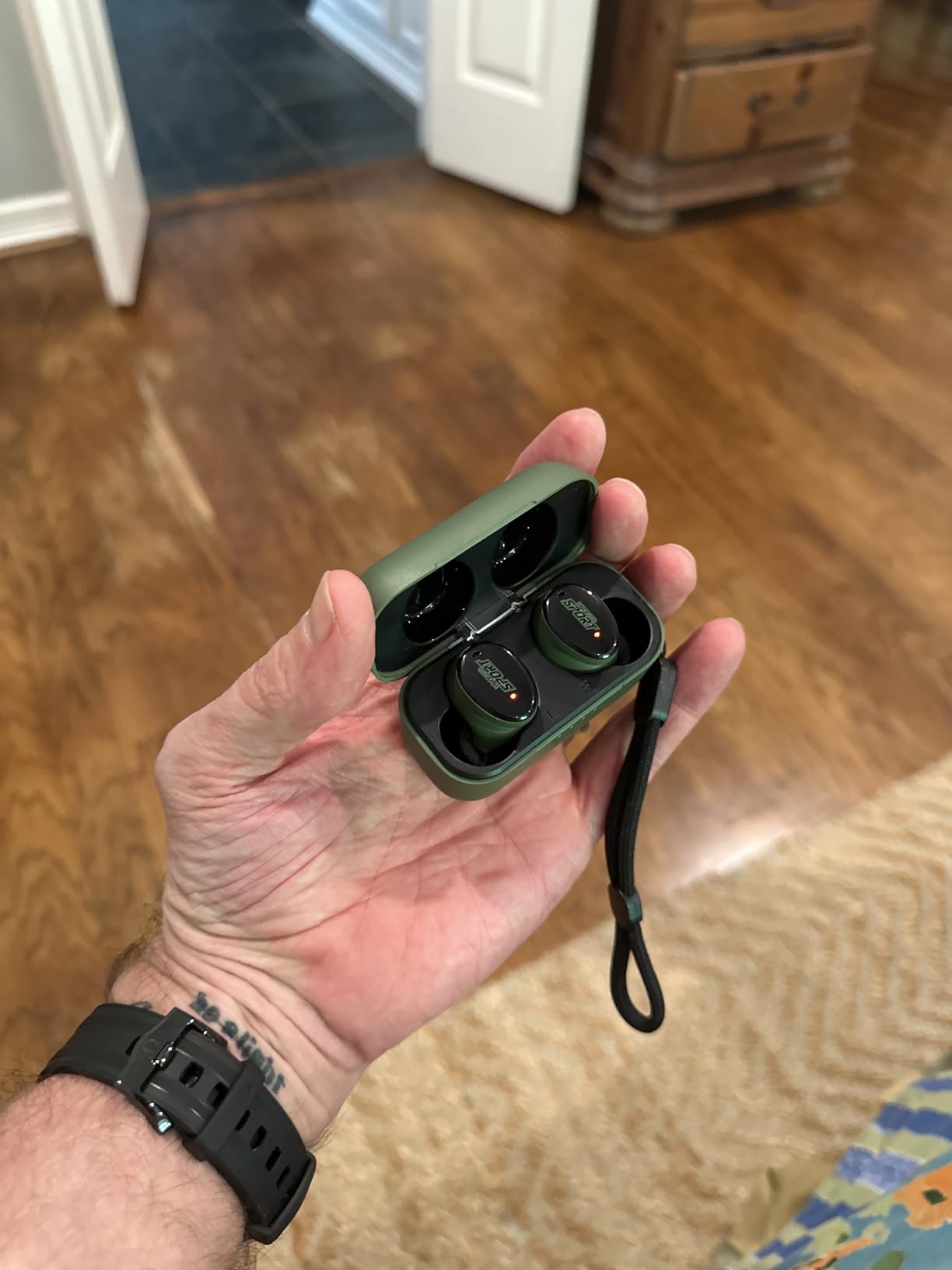
The ISOtunes Sport Caliber BT represents a different approach to electronic hearing protection: in-ear earbuds instead of over-ear muffs. I was skeptical of in-ear electronic protection until I tried these, and they have convinced me that the form factor has real advantages. The most obvious benefit is zero interference with rifle cheek weld. There is nothing on the side of your head to bump against a stock, which makes these the best electronic ear protection for precision rifle shooters and shotgun sports competitors.
The Tactical Sound Control technology is impressive. It amplifies ambient sounds for situational awareness and suppresses gunshot impulses in real-time. In field testing, the transition between amplification and suppression was seamless, and I could hear conversation and environmental sounds clearly between shots. The 25 dB NRR comes from the combination of the foam earplugs and the electronic suppression, which is competitive with most over-ear muffs.
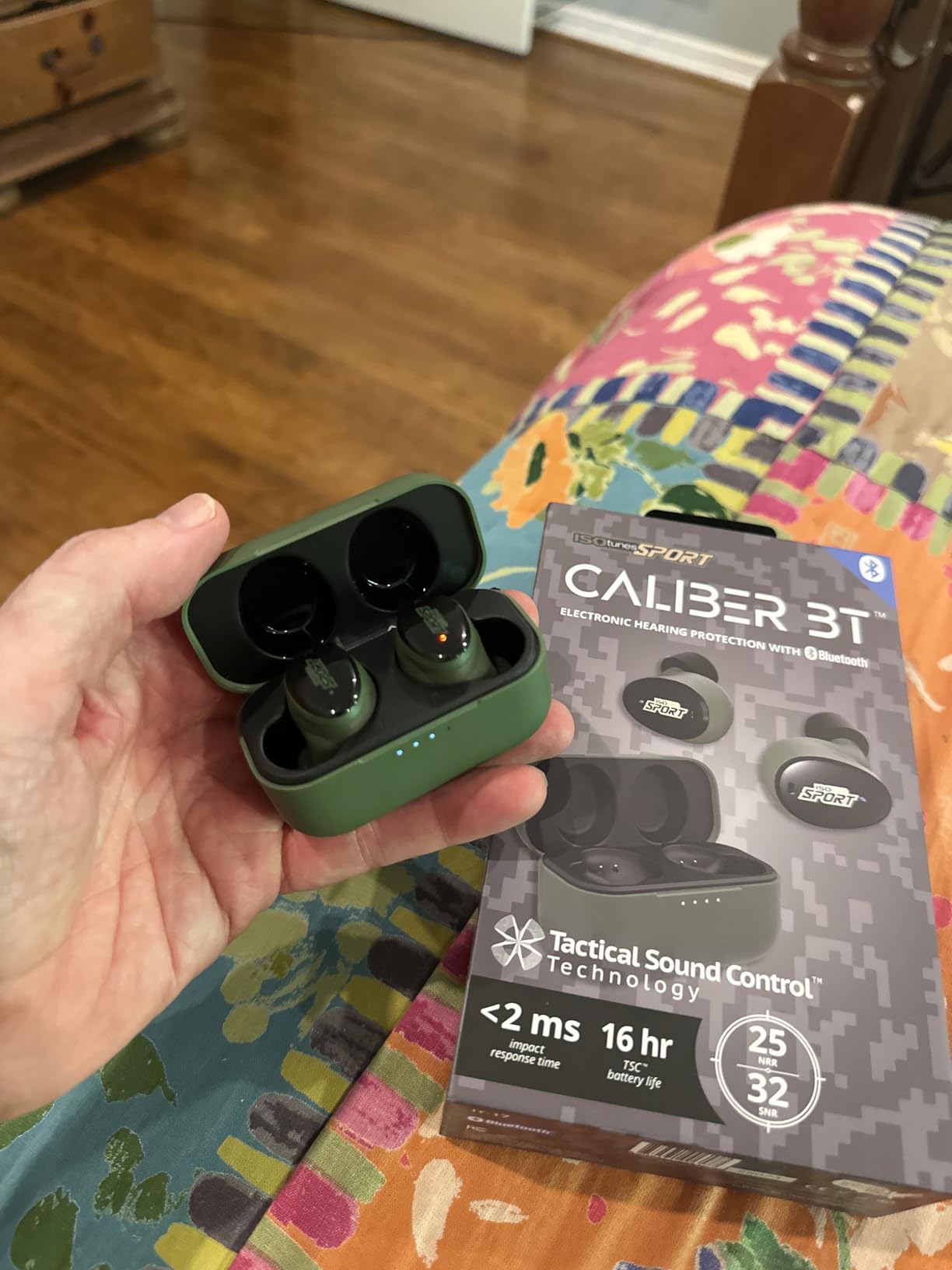
The Bluetooth 5.2 connectivity is stable and reliable, with a 10-meter range that handled my phone being in a range bag without dropouts. The 13-hour battery life is excellent for a pair of earbuds, and the charging case provides two additional full charges for 26 hours total. The IP67 dust and waterproof rating means these can handle rain, sweat, and dust without issue.
The fit system is thorough, with 6 pairs of memory foam earplugs in small, medium, and large sizes, plus a pair of triple-flange silicone eartips. The twist-to-lock mechanism keeps the earbuds securely in place during movement, which addresses one of the most common complaints about in-ear hearing protection. I found the medium foam tips provided the best combination of comfort and seal for my ear canals.
Are In-Ear Electronic Earbuds as Protective as Over-Ear Muffs?
The protection level depends heavily on getting a proper seal in your ear canal. With a correct fit, the 25 dB NRR is comparable to most over-ear electronic earmuffs in this guide. However, if the seal is compromised by incorrect tip size, jaw movement, or perspiration, the protection level drops significantly.
For indoor range shooting with high-caliber rifles, I still recommend over-ear muffs or doubling up with foam plugs under muffs. The ISOtunes Caliber BT excels for outdoor shooting, hunting, and competition shooting where situational awareness and zero cheek weld interference are priorities. For those use cases, they are arguably better than over-ear muffs.
How Do the Touch Controls Perform in Real-World Use?
The touch controls are the weakest aspect of the Caliber BT. Operating them with gloves is difficult, and cold fingers can cause inconsistent responses. I found myself removing the earbuds to adjust settings more often than I would like. If you plan to use these in cold weather or with shooting gloves, be prepared for some frustration with the controls.
The wind noise issue is also worth noting. The external microphones pick up wind easily, which can be distracting during outdoor use. ISOtunes could improve future versions by adding wind noise filtering. Despite these issues, the overall package is strong enough that I still recommend these as the best in-ear electronic hearing protection available.
How to Choose Electronic Ear Protection: Complete Buying Guide
Choosing the right electronic hearing protection comes down to understanding your specific shooting habits, your budget, and the features that matter most for your use case. I have broken down the key factors below to help you make an informed decision.
Understanding NRR Ratings: What the Numbers Mean
NRR, or Noise Reduction Rating, is the standard measurement used in the United States to indicate how much noise a hearing protection device can reduce. The rating is determined in laboratory conditions following ANSI standards, which means real-world performance may be slightly lower due to fit issues, glasses interference, and other factors. Most electronic earmuffs for shooting offer between 22 and 27 dB NRR.
For context, a 9mm pistol produces approximately 160 decibels, a .223 Remington rifle produces about 165 decibels, and a 12-gauge shotgun can hit 170 decibels. Even with 25 dB of reduction, a gunshot still produces sound levels above 85 dB, which is the threshold for hearing damage with prolonged exposure. This is why many experienced shooters recommend doubling up with foam earplugs under electronic muffs for maximum protection, especially at indoor ranges.
Is NRR 23 good enough for shooting? For most outdoor shooting with handguns and moderate-caliber rifles, yes. For indoor ranges, large-caliber rifles, or extended shooting sessions, you should consider 25 dB or higher, or double up with foam earplugs. The general rule from experienced shooters on forums is that 30+ dB of total protection is ideal for indoor use with rifles.
Over-Ear Muffs vs In-Ear Earbuds: Which Is Right for You?
Over-ear electronic muffs are the most popular form factor for good reason. They provide consistent protection regardless of ear canal shape, they are easy to put on and take off, and they do not require careful insertion to achieve their rated protection. The downside is that they can interfere with rifle cheek weld, they are bulkier to transport, and they can be uncomfortable in hot weather.
In-ear electronic earbuds solve the cheek weld problem completely, are more compact, and are more comfortable in hot weather. The trade-off is that they require proper insertion to achieve their rated NRR, they can work loose during movement, and they typically cost more than comparable over-ear models. For precision rifle shooters, shotgun sports competitors, and anyone who shoots with a cheek rest, in-ear options are often the better choice.
Many experienced shooters own both types and use them for different scenarios. I use over-ear muffs for general range sessions and in-ear buds for precision rifle work and hunting. This gives me the right tool for each situation.
Key Features to Look For
Battery life is a critical factor that is easy to overlook until you arrive at the range with dead batteries. Look for models with at least 200 hours of battery life on standard batteries, or consider rechargeable options. The Howard Leight Impact Sport leads the category with 350 hours, and models with auto shut-off prevent accidental battery drain.
Sound amplification quality varies significantly between budget and premium models. Cheaper earmuffs tend to produce static or hissing sounds at higher volumes, while premium models use better microphones and digital signal processing for cleaner audio. If you need to communicate clearly at the range, prioritize models with voice clarity features like the Peltor Tactical 500’s Clear Voice Tracking.
Gel ear cups are a popular upgrade that many shooters swear by. Gel cups conform to your head shape better than standard foam cushions, providing a more comfortable fit and a better seal, especially for glasses wearers. Several models in this guide offer gel cup variants, and aftermarket gel cups are available for popular models like the Walker’s Razor and Peltor Tactical series.
Bluetooth connectivity is increasingly common in electronic hearing protection. It allows you to stream audio and take calls while wearing your ear protection. If this feature matters to you, look for Bluetooth 5.0 or higher for the best connection stability and battery efficiency.
When to Double Up: The Layered Protection Strategy
Doubling up means wearing foam earplugs underneath your electronic earmuffs. This strategy adds approximately 5 to 7 dB of additional protection on top of your muffs’ NRR rating. While that may not sound like much, every 3 dB reduction halves the sound energy reaching your ears, so the additional protection is significant.
I recommend doubling up for indoor range shooting, especially with rifles and muzzle brakes, for extended shooting sessions exceeding two hours, and for shooters using lower-NRR earmuffs at high-volume ranges. The combination of 30+ dB foam plugs and 22+ dB electronic muffs provides the kind of protection that prevents the cumulative hearing damage that catches up with shooters later in life.
One advantage of doubling up with electronic muffs is that you still get the amplification benefits. The muffs amplify ambient sounds to a level you can hear through the foam plugs, so you maintain situational awareness while getting maximum protection.
Compatibility with Glasses, Hats, and Other Gear
Glasses are one of the most common causes of reduced earmuff effectiveness. The temples of shooting glasses break the seal between the ear cup and your head, creating gaps that let sound through. Models with gel cups handle this better than foam cushions because gel conforms around the glasses temples. The Walker’s XCEL Digital and Peltor Tactical 500 both perform well for glasses wearers.
Hats and caps can also interfere with the headband seal. Low-profile caps generally work fine, but thick beanies or structured hats may prevent the muffs from seating properly. In-ear options completely avoid this problem since nothing sits over the top of your head.
If you shoot with a helmet, you need hearing protection that is compatible with helmet mounting. The Peltor ComTac series is the gold standard for helmet-mounted electronic hearing protection, though it is significantly more expensive than the models in this guide. For most civilian shooters, traditional headband-mounted muffs are the practical choice.
Maintenance and Cleaning Tips
Proper maintenance extends the life of your electronic hearing protection significantly. Wipe down the ear cups and headband with a damp cloth after each range session to remove sweat, oils, and debris. Replace ear cushions every 6 to 12 months depending on usage frequency, as compressed or torn cushions reduce the seal and therefore the protection.
Remove batteries during long-term storage to prevent corrosion from leaking batteries. This is the number one cause of premature failure in electronic earmuffs. Store your muffs in a protective case or bag to prevent damage during transport, and avoid leaving them in hot vehicles where extreme temperatures can damage the electronics and degrade the cushion material.
For in-ear models, clean the ear tips regularly with mild soap and water, and replace foam tips every few weeks with heavy use. The foam tips compress over time, which reduces both comfort and protection. Keeping spare tips on hand ensures you always have a fresh, proper seal.
FAQs
What is the best electronic hearing protection?
The best electronic hearing protection depends on your needs, but the Walker’s Razor Slim is our top overall pick for its balance of price, performance, and slim design. For budget shoppers, the Caldwell E-MAX offers excellent value under $30. For premium features, the Peltor Sport Tactical 500 with Bluetooth and Clear Voice Tracking is the top choice. For in-ear protection, the ISOtunes Sport Caliber BT is our recommendation.
Is NRR 23 good enough for shooting?
NRR 23 is adequate for most outdoor shooting with handguns and moderate-caliber rifles. For indoor ranges, large-caliber rifles, or extended shooting sessions, you should consider 25 dB or higher NRR or double up with foam earplugs underneath your electronic earmuffs for additional protection.
What ear protection does the U.S. military use?
The U.S. military primarily uses the 3M Peltor ComTac V and similar military-grade electronic hearing protection systems. These are designed for tactical operations with helmet mounting, radio communications integration, and extreme durability. Civilian alternatives like the Peltor Sport Tactical 500 offer similar sound technology at a lower price point.
What decibel protection do you need for shooting?
For adequate shooting hearing protection, you need a minimum of 22 dB NRR for outdoor shooting and 25 dB or higher for indoor ranges. Since gunshots produce 140 to 170 decibels, even with 25 dB of reduction the sound level remains significant. Many experienced shooters recommend doubling up with foam earplugs under earmuffs for maximum protection totaling 30+ dB.
How much dB is a gunshot?
A typical gunshot produces between 140 and 170 decibels depending on the firearm and ammunition. A 9mm pistol produces approximately 160 dB, a .223 Remington rifle produces about 165 dB, and a 12-gauge shotgun can reach 170 dB. Even a single exposure to sounds above 140 dB can cause permanent hearing damage, which is why ear protection is mandatory when shooting.
Conclusion: Protecting Your Hearing for the Long Term
Hearing damage from shooting is cumulative and permanent, but it is also entirely preventable with the right electronic ear protection. After testing all 8 models in this guide across indoor ranges, outdoor ranges, and hunting scenarios, my recommendations are clear. The Walker’s Razor Slim is the best overall value for most shooters, offering slim design and excellent performance at a reasonable price. The Caldwell E-MAX is the best budget option for new shooters or anyone wanting a capable backup pair. For those willing to invest in premium features, the Peltor Sport Tactical 500 delivers the best sound quality and connectivity.
For rifle shooters who need zero cheek weld interference, the ISOtunes Sport Caliber BT in-ear option is the way to go. And for indoor range shooters who want the best sound technology without premium pricing, the Peltor Sport Tactical 100 with its compression technology and echo reduction is an excellent middle ground. Whatever you choose, wear it every time you shoot, because the best electronic ear protection is the one you actually use consistently. Your future self will thank you for protecting your hearing today.