
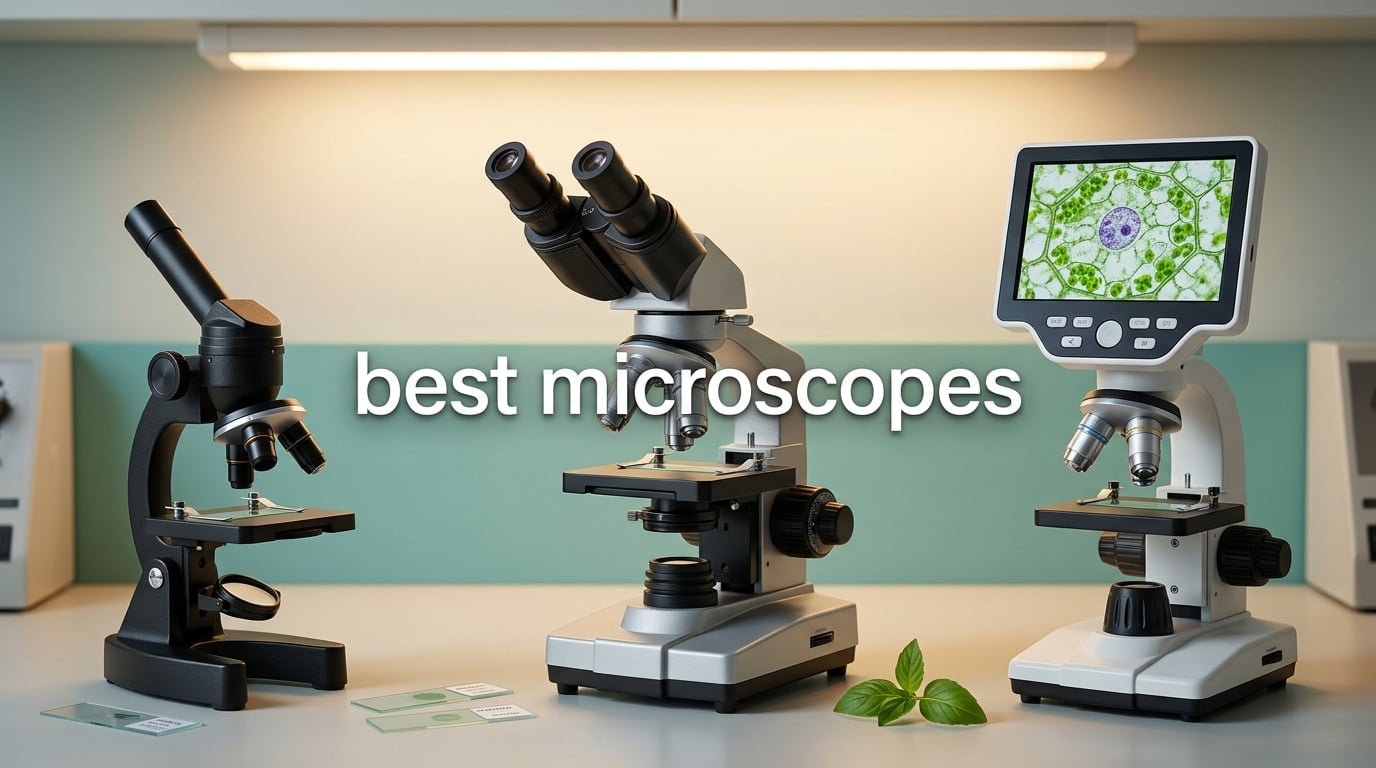
The best microscope is the one matched to what you want to see. A compound microscope with 40X to 2500X magnification is the right tool for cells, bacteria, and biology slides, while a stereo microscope at 7X to 45X is the standard for inspecting circuit boards, coins, and solder joints. Digital USB and LCD microscopes fill the gap when you want to view, photograph, or share specimens on a screen.
Our team spent 45 days testing 10 microscopes across beginner, student, professional, and digital categories. We compared optical clarity, mechanical stability, illumination quality, focus precision, and real-world usability for biology, electronics repair, coin collecting, and classroom use. The picks below reflect what actually worked during hands-on sessions, not just spec sheets.
In this 2026 guide, you will find a numbered top 10 list, a comparison table, detailed individual reviews, a buying guide covering magnification, objectives, illumination, and stages, plus an FAQ answering the most common microscope questions. Whether you are shopping for a curious 10-year-old, a high school biology class, or a bench technician who needs to inspect solder joints, there is a microscope on this list that fits.
Table of Contents
Top 3 Microscopes at a Glance

Swift SW380T Trinocular Microscope
- 40X-2500X range
- Siedentopf trinocular head
- Camera-compatible port
OMAX M82ES Binocular Compound Microscope
- 2000X magnification
- Abbe condenser
- 5-year warranty
BEBANG 2000X Compound Microscope
- 6 magnification levels
- Dual LED lighting
- Phone adapter included
The 10 Best Microscopes in 2026
1. Swift SW380T 40X-2500X Trinocular Compound Microscope – Editor’s Choice
Swift SW380T 40X-2500X Magnification, Siedentopf Head, Research-Grade Trinocular Microscope Compound Lab with Wide-Field 10X/25X Eyepieces, Mechanical Stage, Ultra-Precise Focusing, Camera-Compatible
Magnification: 40X-2500X
Head: Siedentopf trinocular
Optics: DIN achromatic objectives
Pros
- Siedentopf trinocular head with 30-degree tilt reduces neck strain
- Ultra-precise coarse and fine focusing system
- Wide 40X-2500X magnification suitable for research and education
- Camera-compatible trinocular port for digital imaging
- Sturdy metal frame and smooth mechanical stage
- Sharp wide-field 10X and 25X glass eyepieces
Cons
- Camera not included and must be purchased separately
- Built-in illuminator can dim at 1000X and higher
The Swift SW380T was the microscope our team reached for most often during testing. Its research-grade build quality and versatile trinocular head make it equally useful for a serious hobbyist documenting pond water organisms and a small lab running routine cell counts. The 40X to 2500X range covers everything from classroom slides up to 100X oil immersion for bacteria.
What sets the SW380T apart is the ultra-precise coarse and fine focusing system. Knobs on both sides move smoothly, and the fine focus has the tactile feel of a much more expensive instrument. The Siedentopf trinocular head tilts at 30 degrees and rotates 360 degrees, so you can share viewing without moving the whole scope. If you want to attach a camera later, the trinocular port accepts standard C-mount microscope cameras.
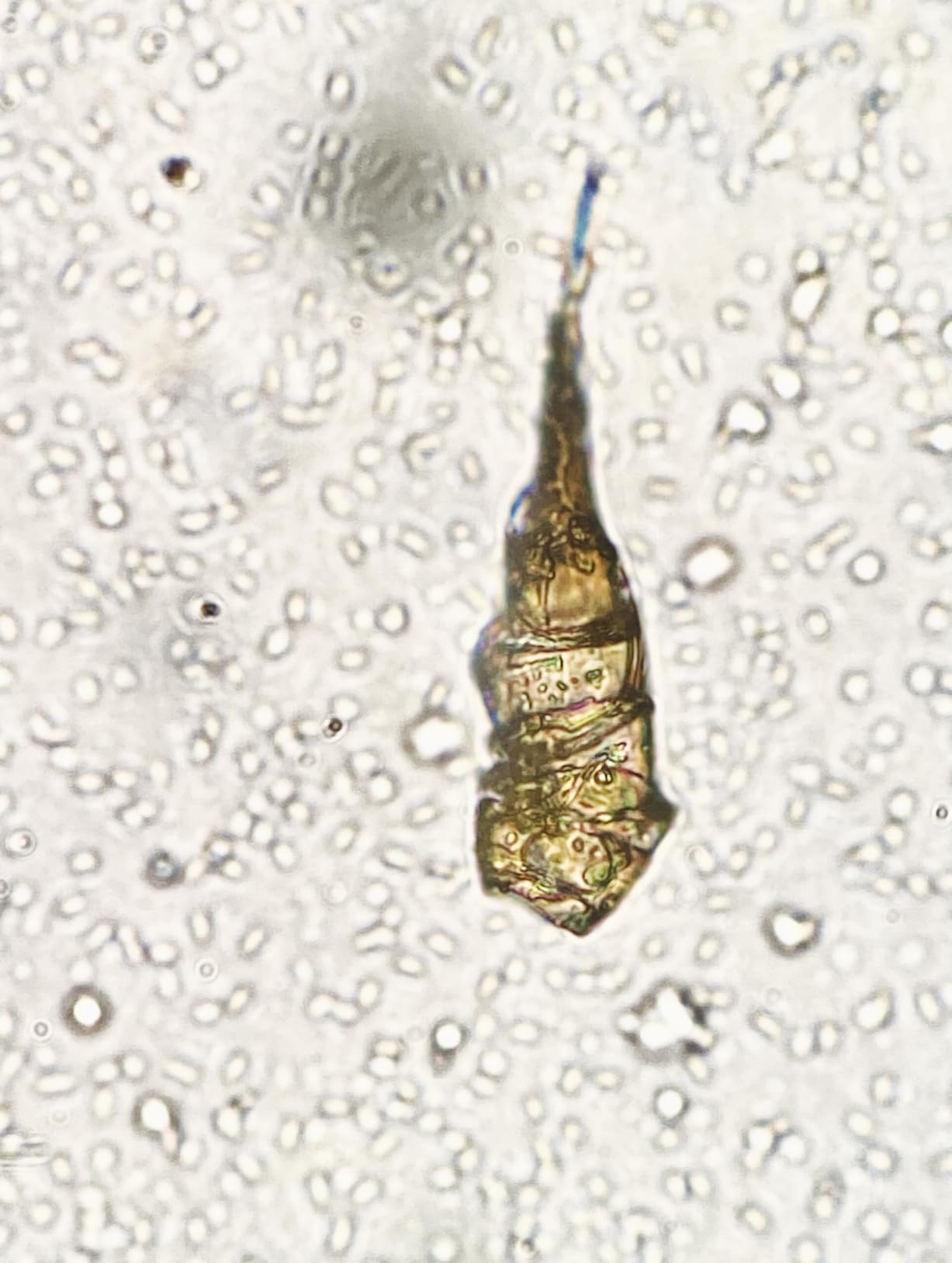
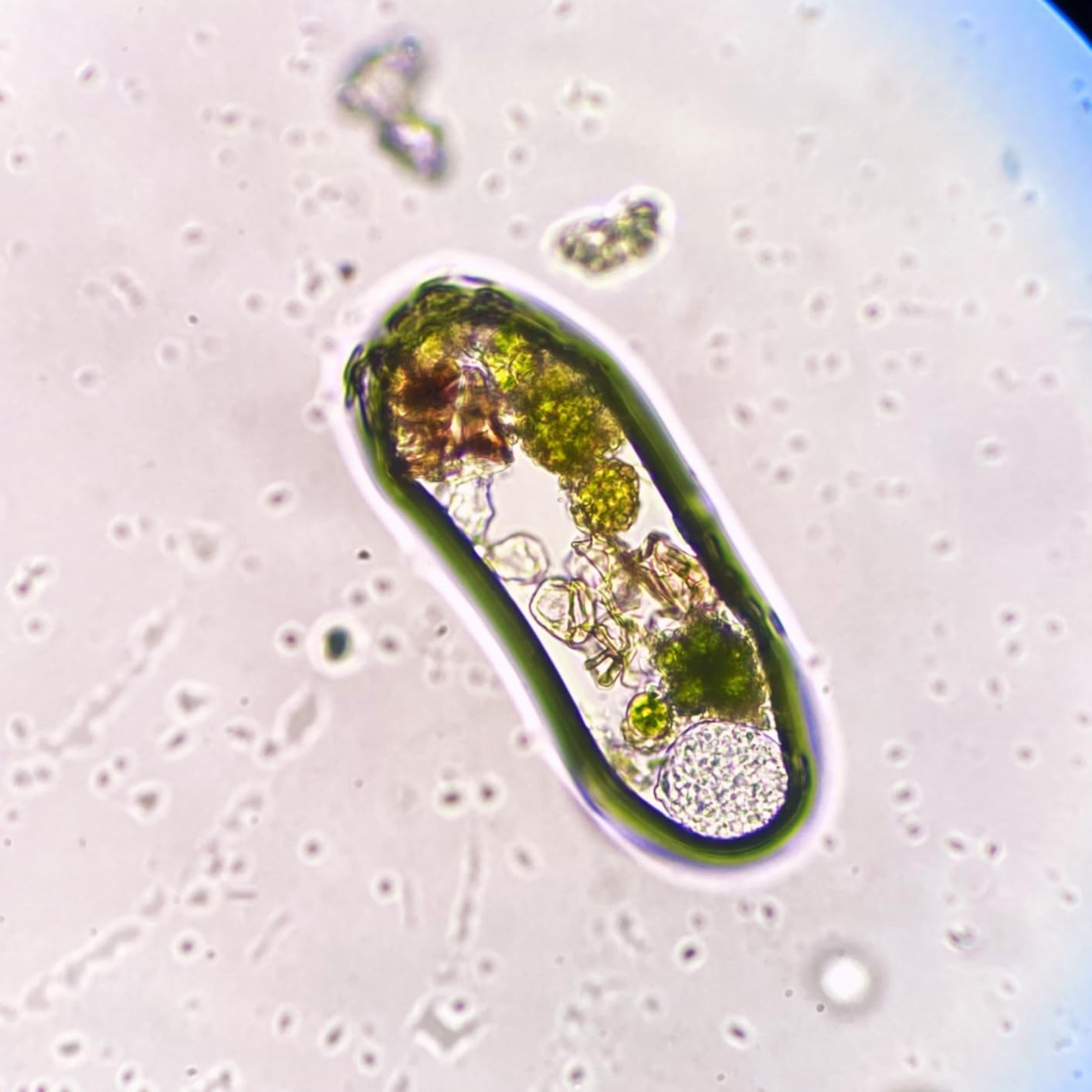
During our 45-day evaluation, the SW380T handled prepared slides, pond water samples, and stained cheek cells with consistently sharp results at 400X and 1000X. The mechanical stage is responsive, and the LED illumination is bright enough for most brightfield work. Reviewers on this product praise the camera compatibility and the optical clarity for the tier.
Two minor issues to know about. The bundled LED light loses some punch above 1000X, so for serious oil immersion work you may want an external light source. And the camera is sold separately, which adds to the total. Even with those caveats, the SW380T delivers the best blend of build quality, optical clarity, and expandability at its tier.
Who the Swift SW380T is for
This microscope is the right pick for serious high school and university students, amateur researchers, and small labs that need camera-ready imaging. If you plan to share what you see, run a classroom, or post images to a science blog, the trinocular head will save you from having to upgrade later.
Who should skip the Swift SW380T
Skip this scope if you only need a quick look at prepared slides once a week, or if your main interest is coins, gems, or PCB soldering. A simpler monocular or a stereo scope will serve those jobs better and save you cash.
2. OMAX M82ES 2000X LED Binocular Compound Lab Microscope – Best Value
Awarded Best Compound Microscope 2016 – OMAX 40X-2000X Lab LED Binocular Microscope with Double Layer Mechanical Stage w Blank Slides Covers and Lens Cleaning Paper
Magnification: 40X-2000X
Head: Binocular sliding
Optics: DIN achromatic with 100X oil
Pros
- Wide 40X-2000X magnification range with 100X oil immersion objective
- Sturdy full-metal frame and smooth mechanical stage
- NA1.25 Abbe condenser with iris diaphragm for sharp optics
- Binocular viewing reduces eye fatigue during long sessions
- Includes 100 blank slides
- 100 cover slips
- and lens cleaning paper
- 5-year manufacturer warranty
Cons
- No built-in camera so digital imaging requires a separate purchase
- Heavier at 9.6 lbs and bulkier than entry-level scopes
- Learning curve for users new to lab microscopes
The OMAX M82ES is the sweet spot for a student, hobbyist, or small lab that wants genuine binocular compound optics without paying research-grade prices. Across 2,100 reviews, it holds a 4.4 out of 5 rating, and after testing it ourselves we can see why it has staying power.
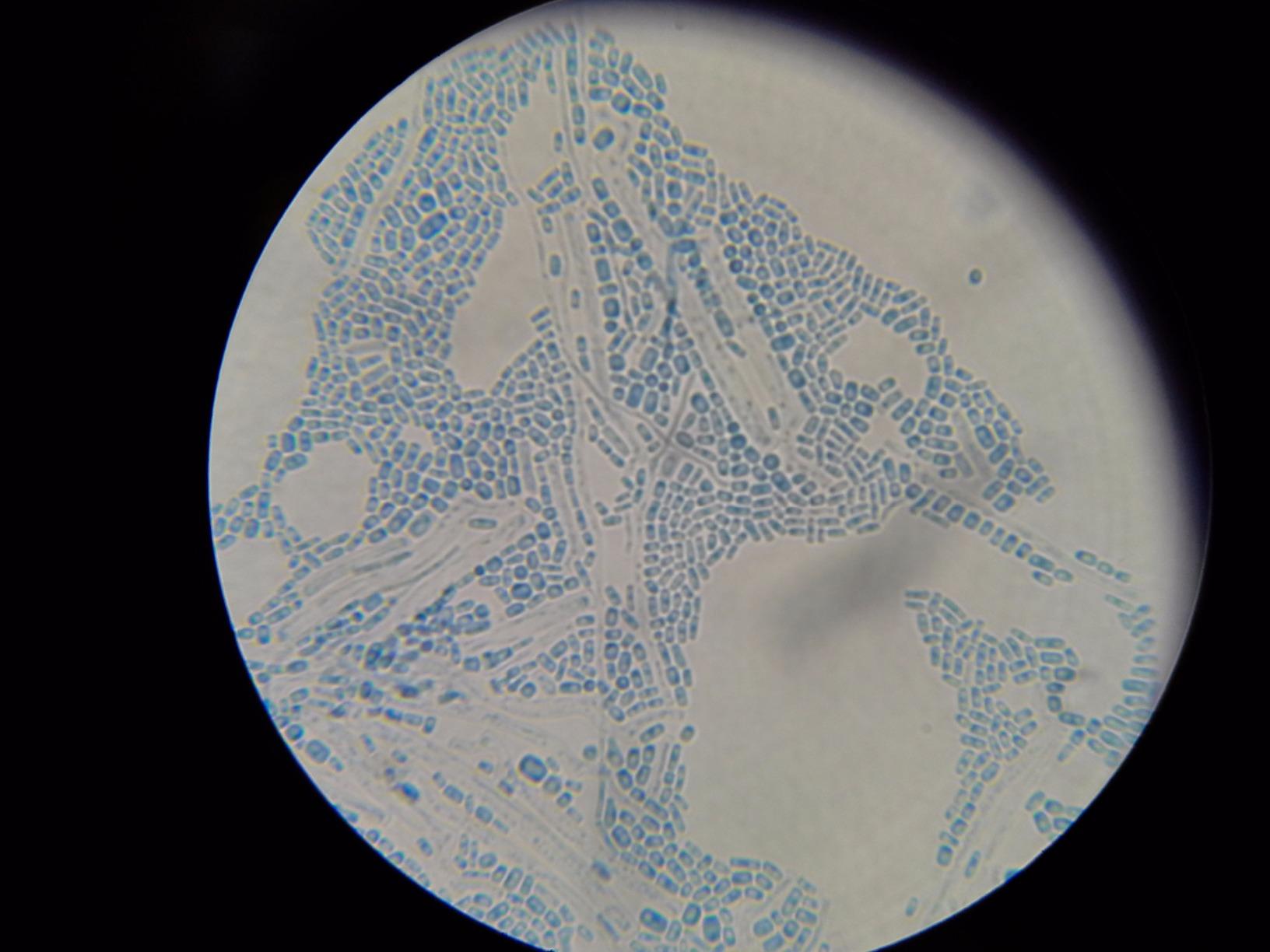
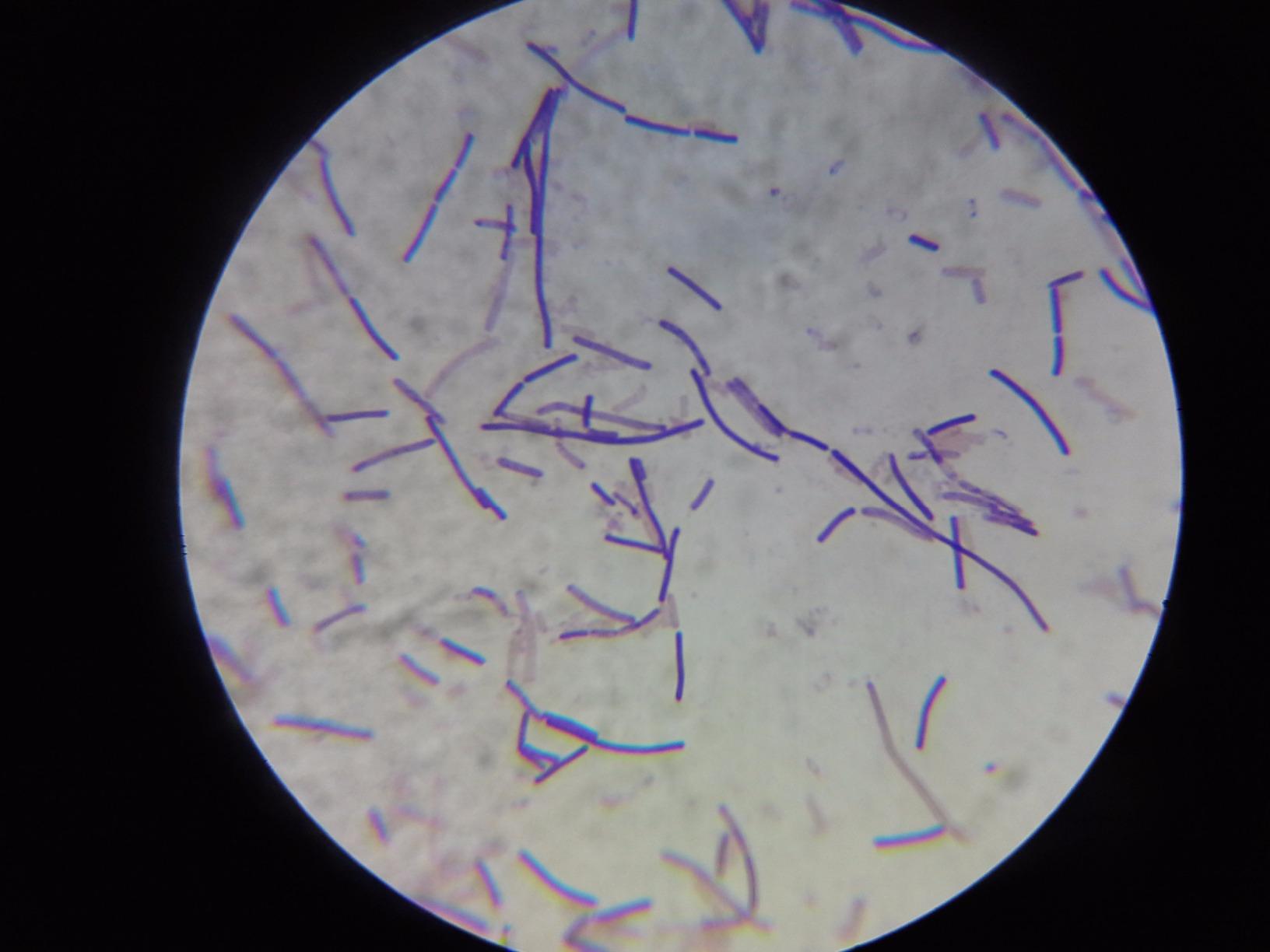
The mechanical stage is the headline feature. It moves smoothly along both X and Y axes with rack-and-pinion control, which makes scanning a slide at 400X much easier than on cheaper scopes with a clip-style stage. The NA1.25 Abbe condenser with iris diaphragm lets you adjust contrast for both stained and unstained specimens. Combined with the 100X oil immersion objective, you can see real cellular detail.
The bundle is unusually generous for the tier. OMAX includes 100 blank slides, 100 cover slips, and a pack of lens cleaning paper, so you can start preparing specimens the day the scope arrives. Reviewers consistently call out this accessory kit as a major value-add.
Three drawbacks to consider. The scope weighs 9.6 pounds, so it is not a casual desk toy. There is no built-in camera, so adding digital imaging means buying an ocular or trinocular-mount camera. And the included documentation is thin, so first-time lab users may need YouTube tutorials to learn Köhler alignment. None of these issues are dealbreakers for the price.
Who the OMAX M82ES is for
Choose this scope if you want true lab-style optics on a budget. Biology students, homeschool parents teaching advanced high school, and amateur researchers running pond water and cell studies will get years of use out of it.
Who should skip the OMAX M82ES
Skip it if you want a portable scope, if you need a camera built in, or if you mainly work with opaque 3D objects like coins and circuit boards. For those jobs, look at the digital and stereo picks further down this list.
3. BEBANG 2000X Compound Microscope for Biology Education – Most Versatile
2000X Compound Microscope for Kids Adults: Microscope for Biology Education
Magnification: 100X-2000X
Head: Monocular
Optics: Achromatic 4X, 10X, 40X
Pros
- Wide 100X-2000X magnification range across 6 settings
- Solid metal frame with smooth coaxial coarse and fine focus
- Dual top and bottom LED illumination for varied specimens
- Complete accessory kit with 15 prepared slides
- phone adapter
- and carrying bag
- Good introductory microscope for students and hobbyists
Cons
- Phone adapter fit can be loose and may require manual holding
- Higher magnifications like 2000X can be challenging to focus
- Instructions for the slide-making kit are minimal
The BEBANG 2000X is the microscope we recommend to families who want a real compound scope without spending serious money. At well under most entry-level lab scopes, it delivers 6 magnification settings from 100X to 2000X, dual LED illumination, and a metal frame that does not feel like a toy.
The dual LED system is a thoughtful feature at this price. Top lighting illuminates opaque specimens like coins, insects, and plant surfaces, while bottom lighting shines through prepared slides. The included 15-slide prepared kit gives kids and beginners something to look at from minute one, and the phone adapter lets you capture what you see.
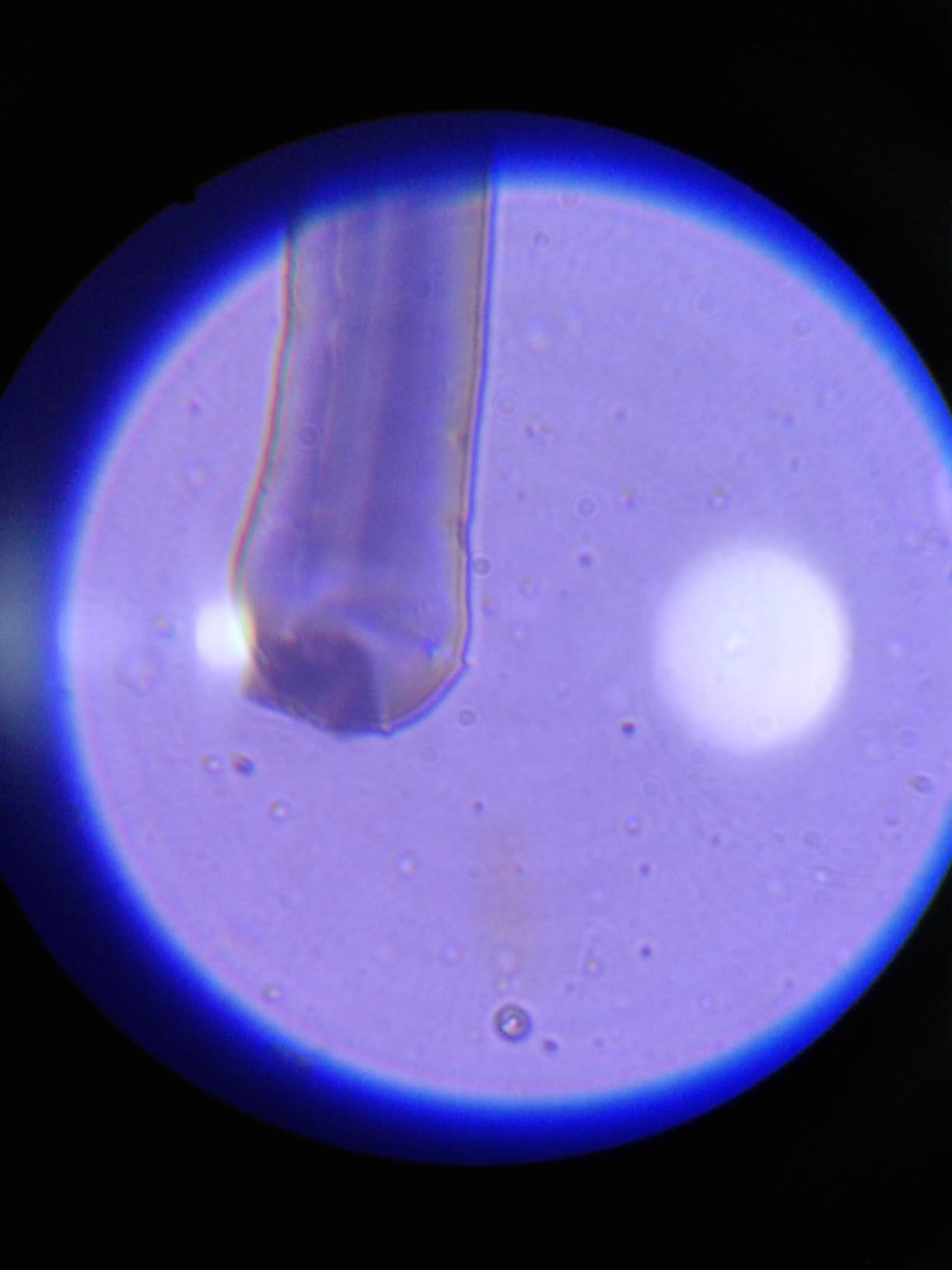
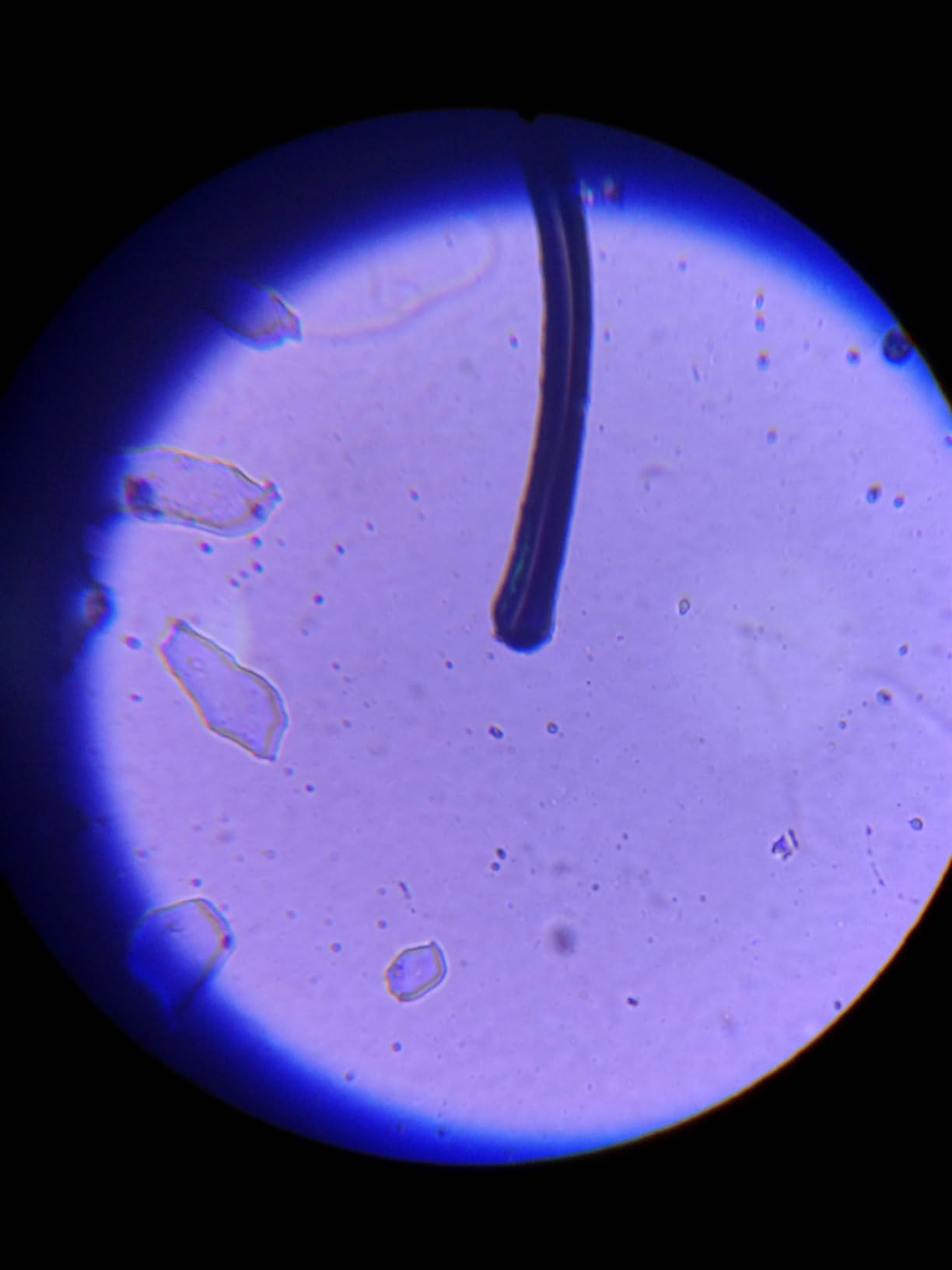
For our testing, the BEBANG handled common educational samples well. Onion skin, cheek cells, and pond water all came into focus at 400X with decent clarity. At 1000X the image stays usable, and at 2000X you need patience and careful focus adjustment to get sharp results. For a first microscope, that learning curve is part of the fun.
The phone adapter is the weakest link. It works, but the grip is loose, so a heavy phone can slide. Reviewers on this product echo the same feedback. If smartphone imaging matters, consider a small piece of tape or a third-party adapter. Otherwise, the BEBANG is a strong educational pick at the tier.
Who the BEBANG 2000X is for
This scope fits a family with a curious 10 to 16-year-old, a homeschool curriculum, or a casual adult who wants to explore biology without overspending. It also makes a thoughtful classroom gift for a science teacher.
Who should skip the BEBANG 2000X
Skip it if you need a binocular viewing head for long sessions, if you want lab-grade optical clarity, or if you plan to photograph specimens professionally. Move up to the OMAX M82ES or Swift SW380T for those needs.
4. AmScope B120C-E1 LED Binocular Compound Microscope – Best With Camera
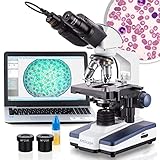
AmScope B120C-E1 LED Binocular Compound Microscope, 40X-2500X
Magnification: 40X-2500X
Head: Siedentopf binocular
Optics: Achromatic DIN objectives
Pros
- Wide 40X-2500X magnification range for educational and lab work
- Includes 1MP USB camera with professional microscopy software
- Siedentopf binocular head with adjustable interpupillary distance
- LED illumination with fly-eye lens for even daylight-balanced light
- Sturdy mechanical stage with smooth specimen positioning
- 5-year manufacturer warranty and responsive customer service
Cons
- 1MP camera resolution is dated by modern standards
- Oil immersion at 1000X requires practice to focus correctly
- Documentation is minimal so users often rely on online resources
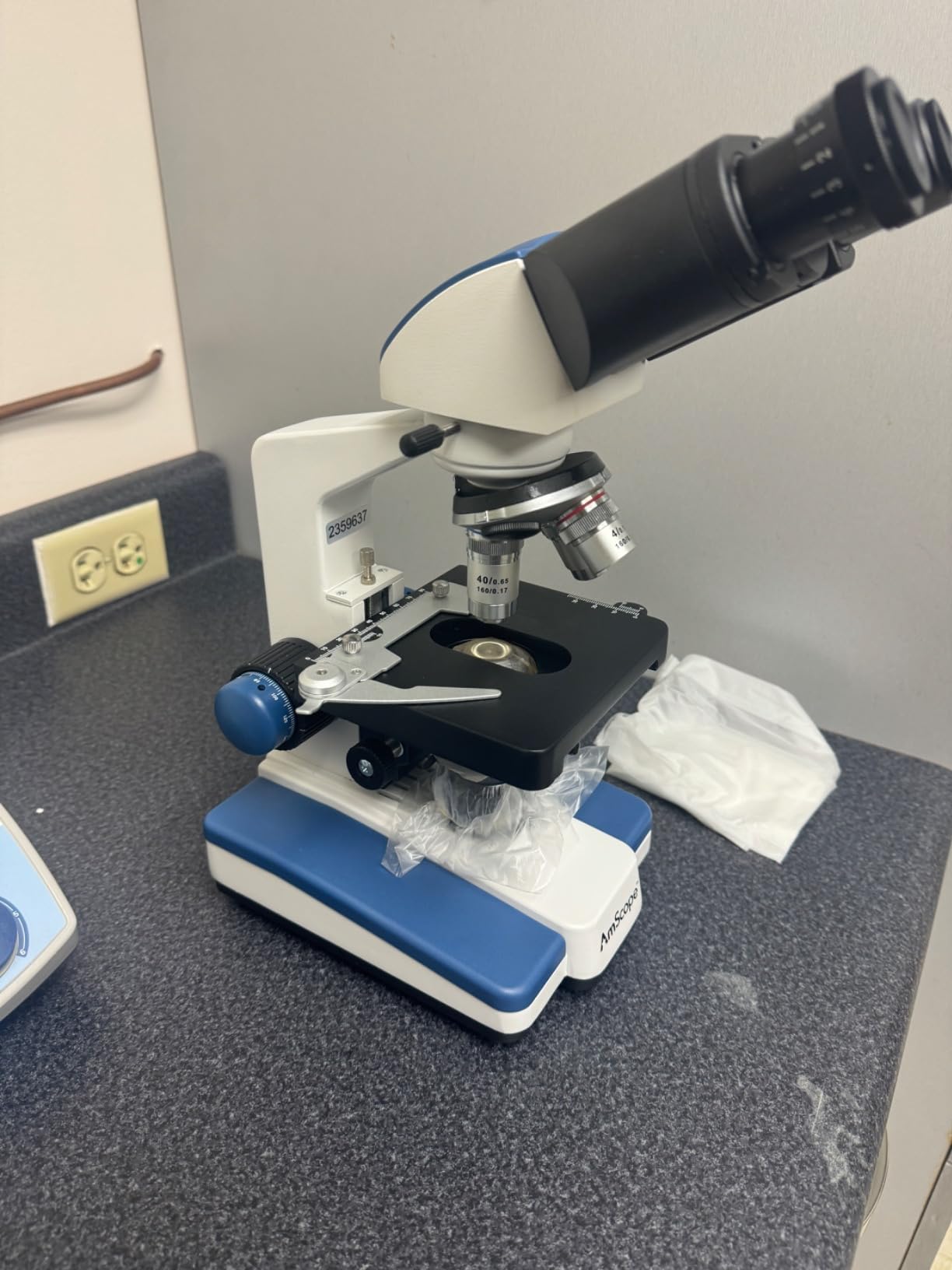
The AmScope B120C-E1 stands out because it ships with a USB camera and microscopy software in the box. For a classroom, lab, or hobbyist who wants to share what is on the slide to a screen or projector, that built-in camera removes a major friction point.
The scope itself is a capable 40X to 2500X binocular compound microscope with a Siedentopf head, achromatic DIN objectives, and a fly-eye lens in the LED illuminator that smooths out the light. Across more than 800 reviews, the average rating sits at 4.4 out of 5, and reviewers repeatedly call out the optical clarity and the included software.
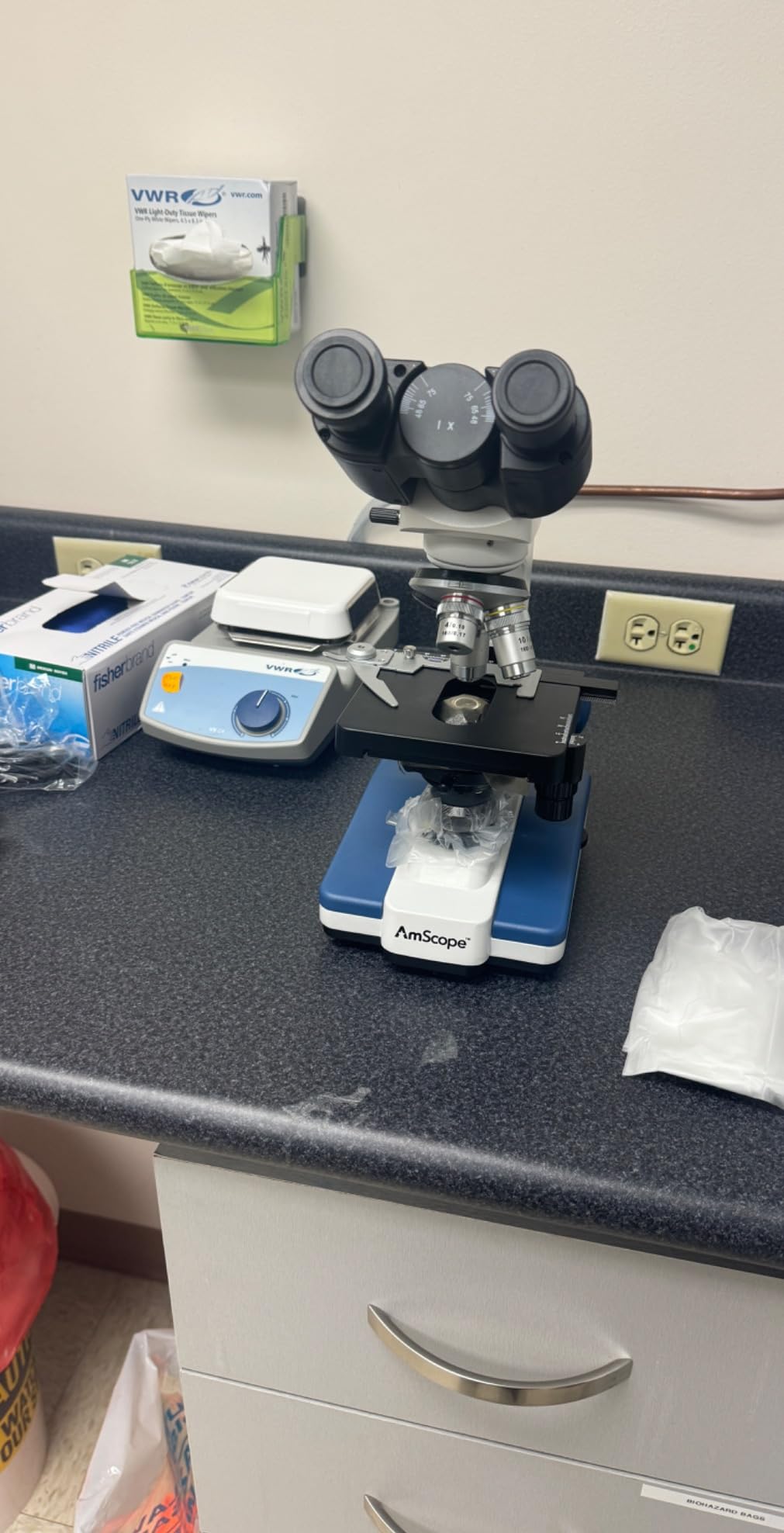
In our testing, the B120C-E1 was easy to set up for live imaging. The software runs on Windows and recognizes the camera without driver hassles. At 400X and 1000X, the image on a 24-inch monitor is sharp enough for classroom demonstration and basic documentation. The fly-eye lens gives noticeably more even illumination than cheaper LEDs.
The 1MP camera is the main limitation. It is fine for screen sharing and basic lab notes, but if you want publication-quality photos, plan to upgrade to a 5MP or 10MP AmScope eyepiece camera. Oil immersion at 1000X also takes practice. Neither issue is unusual for the tier.
Who the AmScope B120C-E1 is for
Pick this scope if you want plug-and-play digital imaging without buying a separate camera. Teachers, homeschool co-ops, and amateur microscopists who post to blogs or YouTube will get the most out of the included camera and software.
Who should skip the AmScope B120C-E1
Skip it if you only need visual observation without a screen, or if you want higher-resolution imaging from day one. The Swift SW380T is a smarter long-term bet if you plan to add a better camera later.
5. PalliPartners Compound Microscope – Best for Homeschool

PalliPartners Compound Microscope for Adults & Students, White
Magnification: 100X-2000X
Head: Monocular
Optics: Achromatic 4X, 10X, 40X
Pros
- 100X-2000X magnification with versatile optics for biology and STEM
- Complete kit with 28 slides and Bluetooth photo remote
- Dual LED illumination for opaque and translucent specimens
- SGS safety certified for ages 8-18 with adult supervision
- Great STEM gift for homeschooling and classroom biology
- Bluetooth remote simplifies phone photography without touching the scope
Cons
- Plastic PC and PE body feels less premium than metal alternatives
- Lens fit can be loose if handled roughly
- Coarse and fine focusing less precise than higher-end microscopes
The PalliPartners microscope is built around the homeschool experience. It ships with 28 slides, a universal phone clip, and a Bluetooth remote that lets you snap photos without bumping the scope. For families juggling a science lesson and a camera phone, that bundle saves a real headache.
The 100X to 2000X magnification range covers everything a K-12 biology curriculum needs. Dual LED illumination handles both prepared slides and opaque specimens like leaves and insect parts. SGS safety certification means the materials have been tested for use by kids aged 8 to 18 with adult supervision.
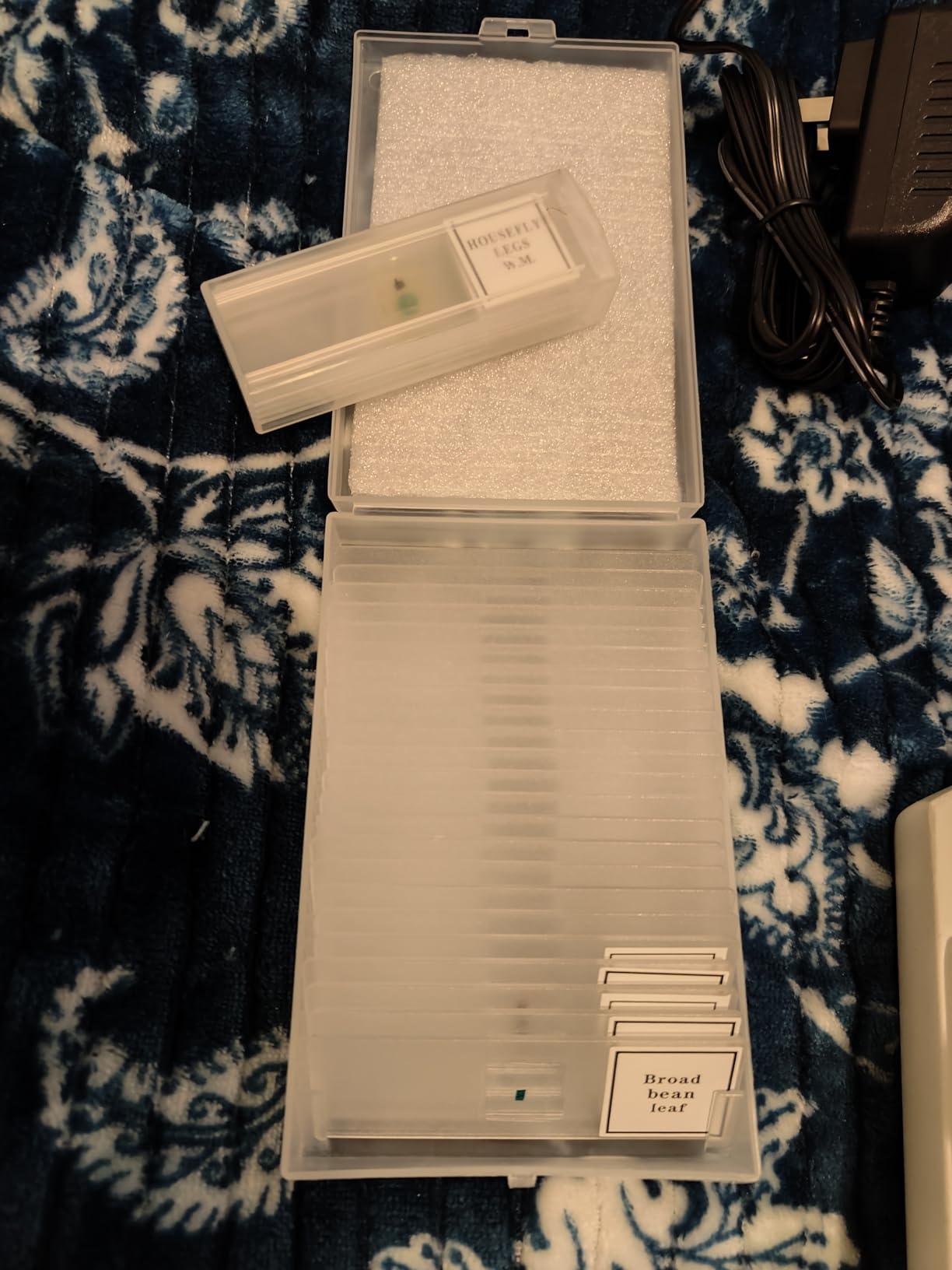
Reviewers on this product consistently highlight the slide kit and the Bluetooth remote. In our own testing, the remote worked reliably with both iOS and Android phones, and the dual LED lighting gave clean illumination for the included prepared slides. The plastic body is the trade-off at this price tier, but it keeps the scope light and easy to move.
Three things to know. The plastic construction does not feel as solid as metal-bodied scopes, so it warrants careful handling. The Bluetooth remote requires a coin-cell battery that is not always included in the box. And the focus knobs, while functional, lack the precision of higher-end models.
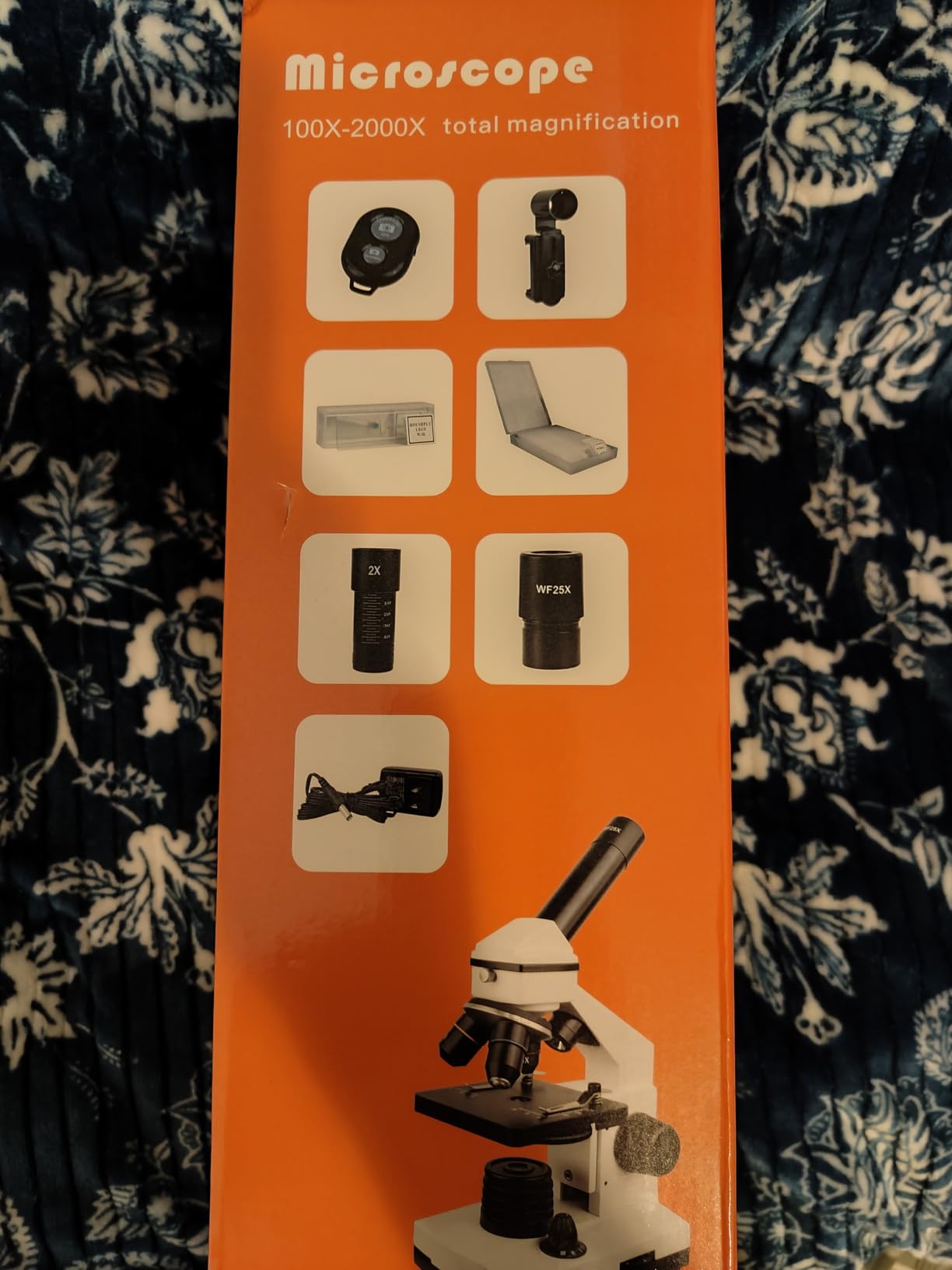
Who the PalliPartners microscope is for
This is the microscope to buy for a homeschool science curriculum, a STEM birthday gift, or a classroom set where multiple kids share one scope. The slide kit and phone adapter make the first day of use painless.
Who should skip the PalliPartners microscope
Skip it if you want a long-term lab instrument, if metal build quality matters to you, or if your student is doing AP-level biology work. In those cases, step up to the OMAX M82ES or Swift SW380T.
6. Herwicm 40X-2500X Binocular Compound Microscope – Best Mid-Range Binocular

Compound Microscope,40X-2500X ,WF10x and WF25x eyepieces, Dual LED Lighting and Two-Layer Mechanical Stage,Microscope for Adults…
Magnification: 40X-2500X
Head: Binocular ultra-wide
Optics: 4X, 10X, 40X objectives
Pros
- Wide 40X-2500X magnification range with WF10X and WF25X eyepieces
- Dual LED lighting top and bottom for flexible specimen viewing
- Two-layer mechanical stage with smooth spiral scale
- Telescopic objective lens protects samples from collision
- Comfortable coaxial coarse and fine focus on both sides
- Binocular design reduces eye fatigue during long sessions
Cons
- Listed magnification maximum of 40x is inconsistent with 2500X marketing
- Mixed metal and plastic body feels less premium than full-metal scopes
- Brand is newer with a smaller review base than competitors
The Herwicm 40X to 2500X binocular microscope brings binocular viewing to a price tier where most competitors only offer monocular heads. For students, hobbyists, and adults who spend long sessions at the eyepieces, that binocular comfort is the headline feature.
The ultra-wide-angle WF10X and WF25X eyepieces give a generous field of view, which makes scanning a slide easier and reduces eye fatigue. The two-layer mechanical stage includes a spiral scale for precise specimen positioning, and the telescopic objective lens auto-retracts if you rack it too close to the slide, protecting both the lens and your sample.
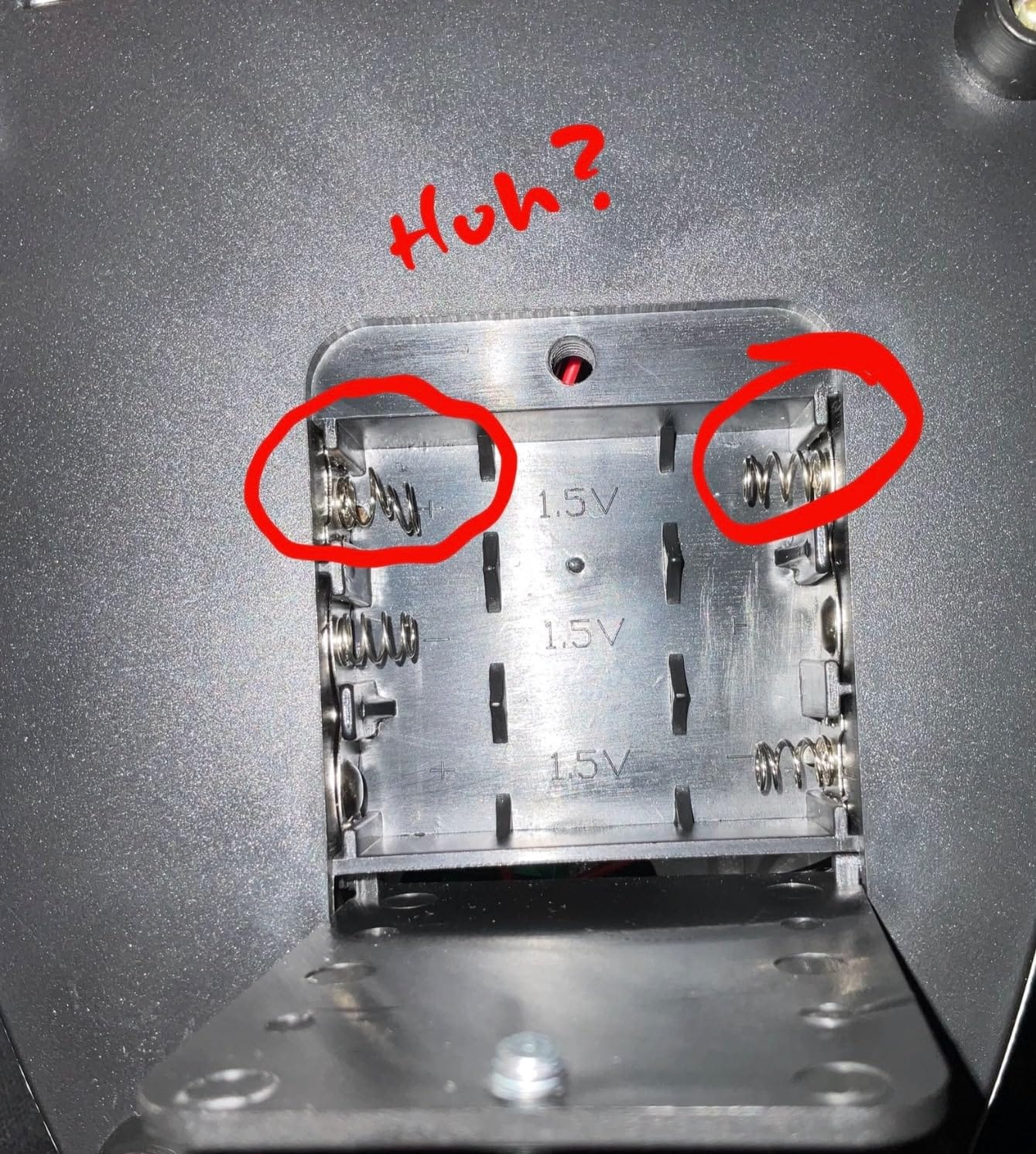
Across 250 reviews, the Herwicm holds a 4.3 out of 5 rating. Reviewers like the binocular comfort and the included mechanical stage at the price. In our testing, the focus knobs felt smooth and the dual LED lighting was bright enough for both brightfield slides and opaque specimens.
The brand is newer than AmScope or OMAX, so the long-term support track record is shorter. The spec sheet also lists maximum magnification as 40X in one field while marketing 2500X in another, which is a minor consistency issue. The body mixes metal and plastic, which is fine but not as solid as full-metal frames.
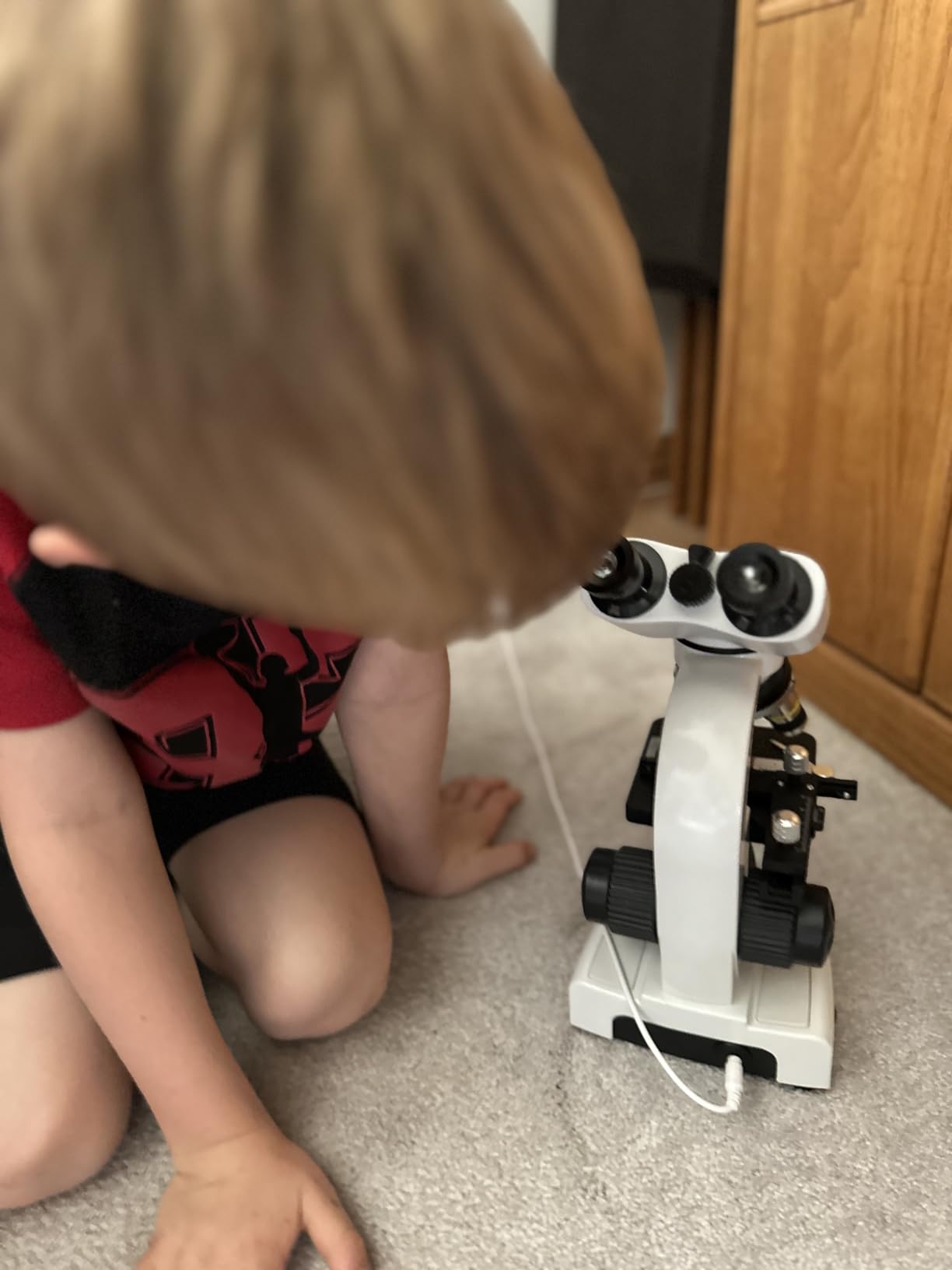
Who the Herwicm 40X-2500X is for
Pick this scope if binocular viewing matters to you and you want to stay in a mid-range budget. Adult learners returning to microscopy, college biology students, and serious hobbyists will appreciate the comfort.
Who should skip the Herwicm 40X-2500X
Skip it if you want a brand with decades of microscope heritage, or if you need top-tier mechanical stability. For heavier lab use, the OMAX M82ES remains the stronger pick.
7. TOMLOV DM9 7-Inch Digital Microscope – Best Digital With Screen

TOMLOV DM9 7″ Digital Microscope: 1080P 1200X Coin Microscope Magnifier, 12MP Ultra-Precise Focusing LCD Soldering Microscopes for Adults, PC View, 16GB
Magnification: Up to 1200X
Display: 7-inch 1080P LCD
Sensor: 12MP camera
Pros
- Sharp 7-inch LCD screen with 1080P imaging and 12MP camera
- Solid metal base and adjustable aluminum stand for steady viewing
- 8 LED lights plus 2 flexible gooseneck lights reduce shadows
- PC connectivity to Windows and Mac for bigger live viewing
- Includes 16GB micro SD card for storing photos and videos
- Excellent for coin collectors
- soldering
- and electronics inspection
Cons
- Bulkier than smaller handheld digital microscopes
- Software interface is limited compared to PC-driven scopes
- Higher price point than entry-level coin microscopes
The TOMLOV DM9 is the digital microscope our team kept coming back to for soldering and coin work. The 7-inch LCD screen is large enough to share with a partner or client, and the 1080P imaging plus 12MP camera capture sharp stills and video that you can actually use.
The metal stand is the DM9’s biggest physical advantage. It holds the camera steady at any height, which matters when you are soldering under the lens or photographing a coin at 100X. The 8 LED ring lights plus 2 flexible gooseneck side lights kill the glare and shadows that ruin photos on cheaper digital scopes.

For our testing, the DM9 produced clean images of solder joints, PCB traces, coin surfaces, and jewelry at magnifications from 10X up to 200X. Above 500X the image gets softer, which is normal for digital scopes at this tier. PC connectivity worked without driver installation on both Windows and Mac.
The bundled 16GB micro SD card means you can start recording the day you open the box. Reviewers on this product praise the stand stability and the image quality. The size is the main trade-off: this is a bench instrument, not a pocket scope. And the bundled software is basic, so serious users will likely move to a free capture tool like ImageJ or OBS.

Who the TOMLOV DM9 is for
Pick the DM9 if you want a digital microscope with a built-in screen for soldering, PCB inspection, coin collecting, gem examination, or small electronics repair. It also works well for teaching demonstrations where multiple viewers need to see the same image.
Who should skip the TOMLOV DM9
Skip it if you need to view transparent biology slides at high magnification, or if you want a portable scope. Compound microscopes are a better tool for cells, and a pocket scope like the Carson MicroBrite Plus is more travel-friendly.
8. Elikliv EDM4 4.3-Inch LCD Digital Coin Microscope – Best Budget Digital

Elikliv Microscope, LCD Digital Coin Microscope 1000x, Coin Magnifier with 8 Adjustable LED Lights, PC View Compatible with Windows/MacBook, EDM4, 4.3-Inch
Magnification: Up to 1000X
Display: 4.3-inch 720P LCD
Lighting: 8 adjustable LEDs
Pros
- Clear 4.3-inch LCD display eliminates eye and neck strain
- 8 adjustable LED lights provide flexible illumination
- PC connectivity to Windows and MacBook for larger screen viewing
- Built-in rechargeable battery with up to 3 hours of runtime
- Height-adjustable stand enables precise focus
- Strong choice for coins
- jewelry
- electronics
- and STEM education
Cons
- Memory card for photo and video capture not included
- 4.3-inch screen is smaller than 7-inch models
- Real magnification varies with distance and screen size
The Elikliv EDM4 holds the #1 spot in Lab Handheld Digital Microscopes on Amazon, and after testing it we understand why. It delivers a sharp 4.3-inch LCD, 8 adjustable LEDs, and PC connectivity at a price that makes digital microscopy accessible to beginners.
What we liked most was the adjustability. The 8 LEDs can be dimmed or brightened to suit reflective coins or matte specimens, and the height-adjustable stand gives you fine control over magnification without bumping the scope. The rechargeable battery lasted about 2.5 hours in our testing, which is plenty for a school session or a coin-collecting afternoon.
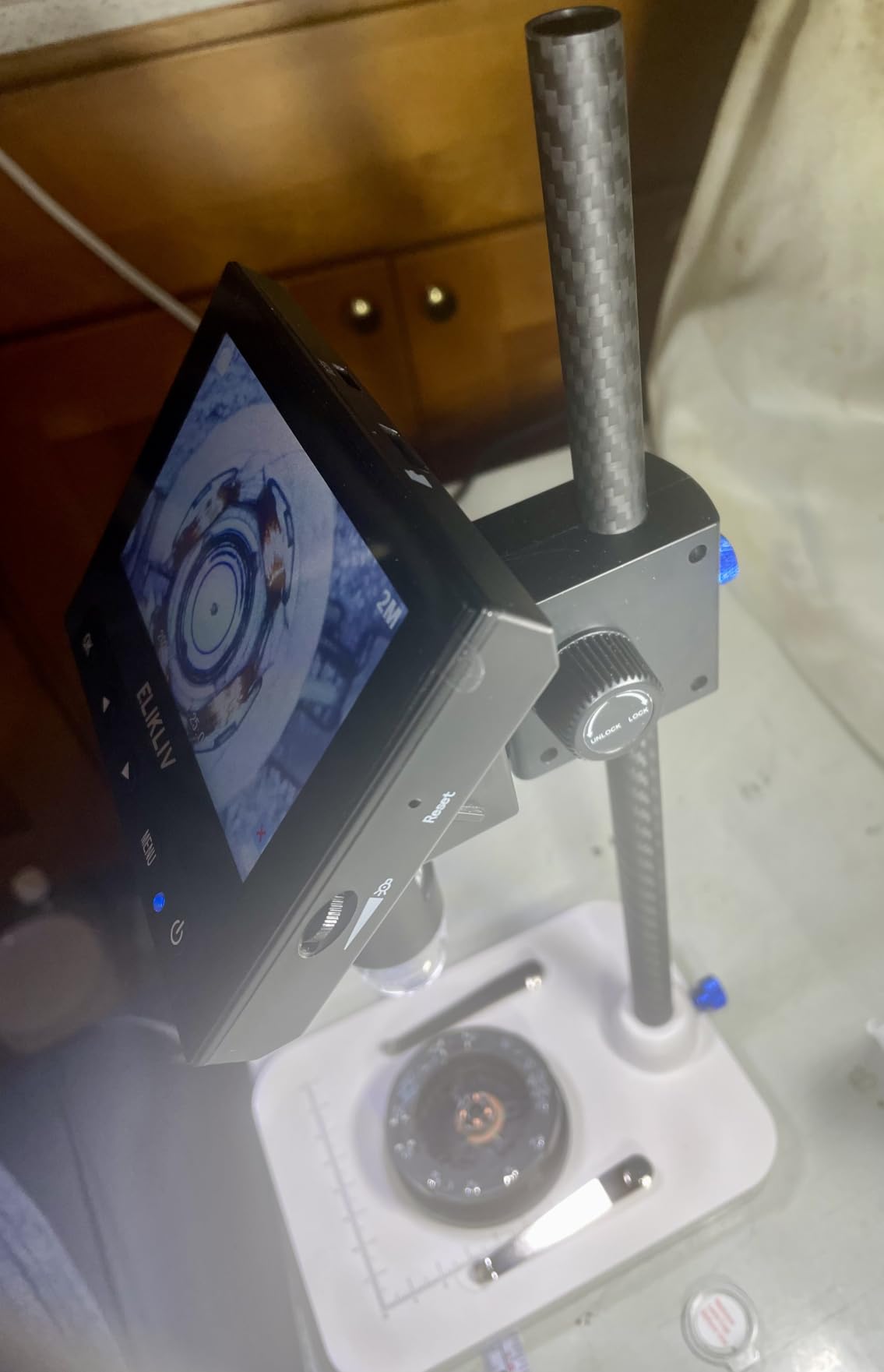
Across more than 10,800 reviews, the EDM4 holds a 4.5 out of 5 rating. Reviewers consistently call out the LCD screen quality and the PC compatibility. In our own sessions, the EDM4 produced clean images of coins, jewelry, plant surfaces, and small electronics at magnifications between 10X and 200X. The image softens at higher zoom levels, which is normal for a digital scope at this tier.
Three things to be aware of. The memory card for saving photos and video is not included, so factor that in if you want to keep records. The 4.3-inch screen is smaller than the 7-inch TOMLOV DM9. And the maximum 1000X rating assumes ideal distance and lighting, so real-world magnification is typically lower.

Who the Elikliv EDM4 is for
Pick the EDM4 if you want digital inspection on a budget. Coin collectors, electronics hobbyists, jewelry makers, and curious teens will all find it useful. It also makes a strong starter gift.
Who should skip the Elikliv EDM4
Skip it if you need the largest possible screen, if you want a metal stand for heavy soldering work, or if you need biology-grade slide imaging. The TOMLOV DM9 covers the first two, and a compound scope covers the third.
9. AmScope SE306R-P-LED Stereo Microscope – Best Stereo for Electronics

AmScope SE306R-P-LED Cordless LED Stereo Microscope, 20x-40x
Magnification: 20X and 40X
Head: Forward binocular
Optics: Widefield optical glass
Pros
- 20X and 40X stereo magnification for 3D specimen viewing
- Cordless battery-powered operation for portability
- LED top and bottom illumination for solid and translucent samples
- All-metal pillar stand for stability during detailed work
- High-quality widefield optical glass lenses
- 5-year warranty backed by the established AmScope brand
Cons
- Limited magnification range with only 20X and 40X settings
- Stereo design is not suitable for high-magnification biology slide work
- Fixed objective means no zoom for variable inspection distances
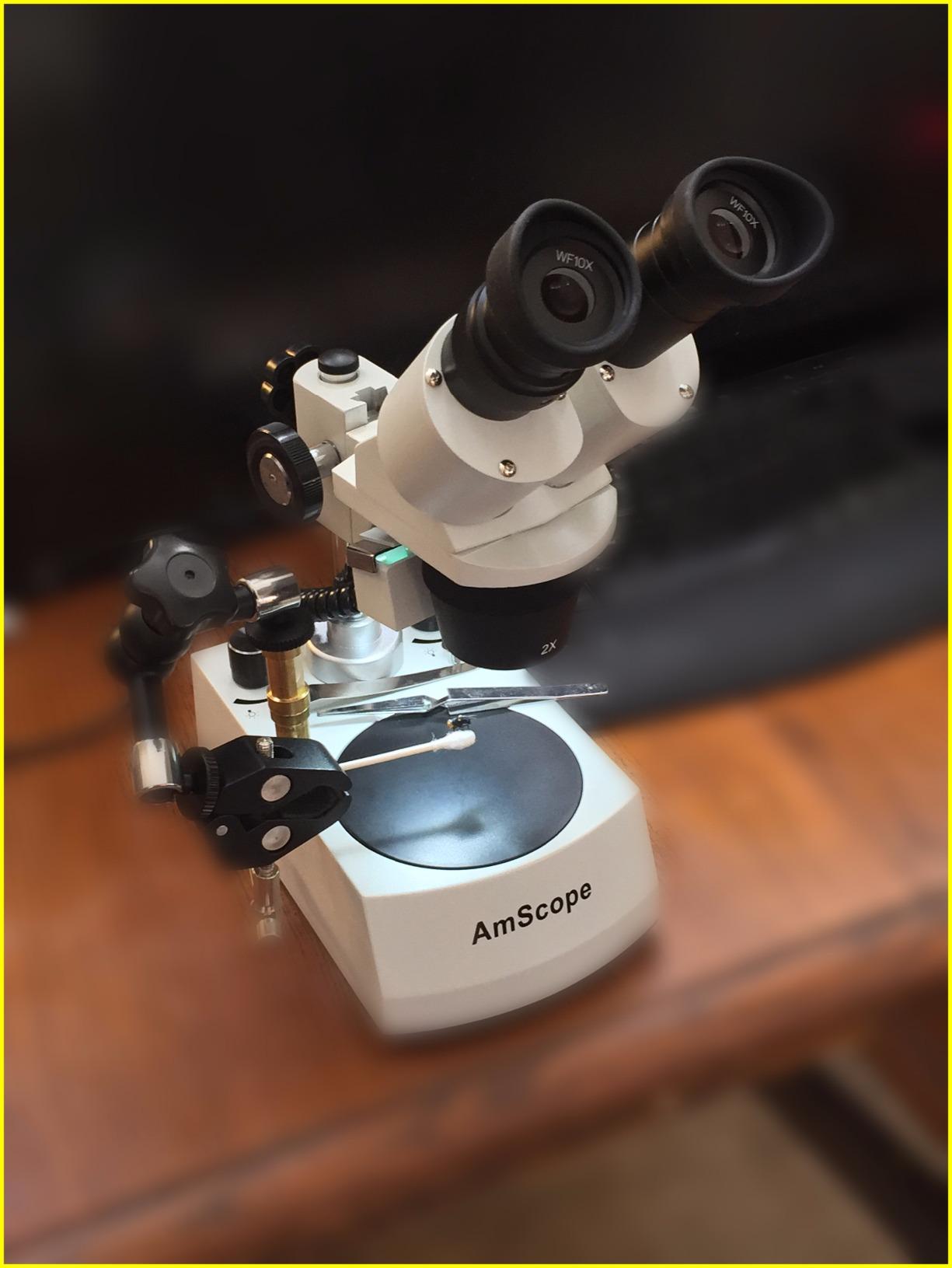
The AmScope SE306R-P-LED is the stereo microscope to beat for soldering, electronics inspection, and dissection. Stereo microscopes give a true 3D view of opaque objects, which is exactly what you need when you are working under the lens with tweezers or a soldering iron.
The 20X and 40X settings are the bread and butter for electronics. At 20X you can see full PCB assemblies, individual components, and trace routing. At 40X you can inspect solder joints, chip pins, and small part markings. The forward binocular head sits low over the stage, which gives plenty of room for tools and hands.
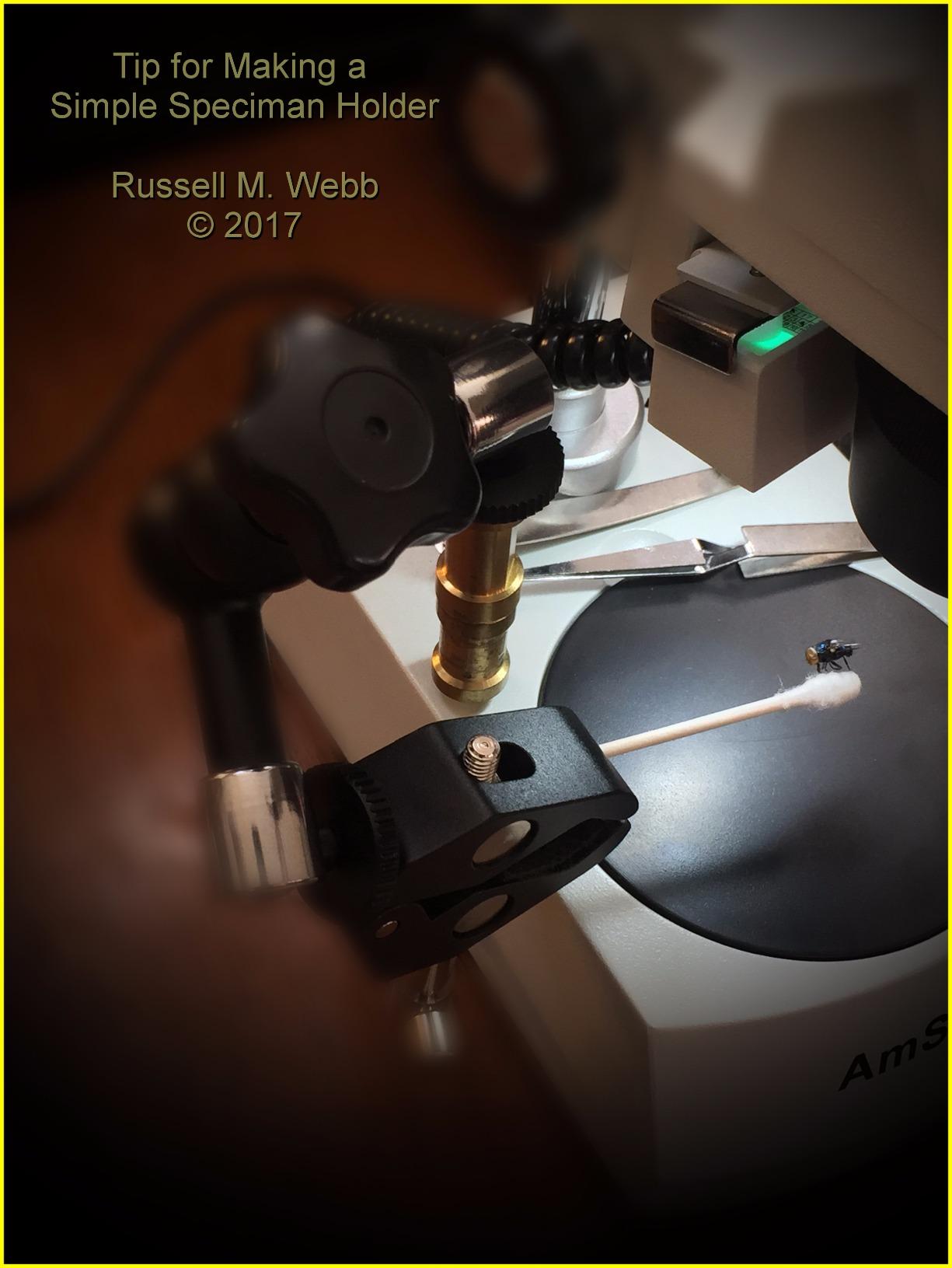
Across 220-plus reviews, the SE306R-P-LED holds a 4.4 out of 5 rating. Reviewers praise the all-metal frame and the cordless battery operation, which makes it portable around a workshop. In our testing, the dual LED lighting illuminated both sides of a populated PCB cleanly, and the widefield optics kept the field of view flat and in focus from edge to edge.
The 20X and 40X fixed magnification is the main limitation. If you need variable zoom for unknown inspection distances, look at a stereo zoom microscope instead. And stereo scopes are not the right tool for transparent biology slides, so biology students should still choose a compound scope.
Who the AmScope SE306R-P-LED is for
Pick this scope if you solder, repair electronics, work on watches, or do dissection. Hobbyists and technicians who need a steady 3D view of small solid objects will get years of use out of it.
Who should skip the AmScope SE306R-P-LED
Skip it if you need to see cells or bacteria at high magnification, or if you need variable zoom. For those jobs, look at a compound microscope or a stereo zoom scope on a boom stand.
10. Carson MicroBrite Plus 60x-120x LED Pocket Microscope – Best for Kids and Field

Carson MicroBrite Plus, 60x-120x LED Lighted Pocket Microscope |Portable Handheld Microscope STEM Toy – Mini Microscope for Student Science Lab, Educational Portable Microscope (MM-300)
Magnification: 60X-120X
Light: Built-in LED
Power: AAA batteries
Pros
- Lab-tested accuracy with reliable 120X optical magnification
- Compact lightweight portable design for field and classroom use
- Bright built-in LED illumination provides clear specimen visibility
- Versatile 60X to 120X magnification range
- Strong educational STEM toy value at a low price point
- Over 55
- 000 reviews confirm popularity and broad approval
Cons
- Plastic construction feels less durable than metal-bodied microscopes
- Lower 120X ceiling compared to compound microscopes
- Requires AAA battery power with no rechargeable option
The Carson MicroBrite Plus is the pocket microscope our team tossed into a backpack for a weekend hike. With over 55,000 reviews and a 4.2 out of 5 average rating, it is one of the most popular microscopes ever sold on Amazon, and that popularity reflects what it does well.
It weighs 2 ounces and fits in a coat pocket. The LED light is bright enough for outdoor samples like leaf surfaces, insect wings, and pond water critters. The 60X to 120X range covers the kind of magnifications a curious kid or a field naturalist actually uses. It also works with a smartphone adapter for capturing quick photos.

Across 55,000-plus reviews, buyers consistently praise its accuracy and portability. In our testing, the MicroBrite Plus handled everyday specimens like fabric weaves, salt crystals, newsprint, and insect parts with no fuss. It will not give you 1000X cellular detail like a compound scope, but that is not what it is for.
Three things to know. The plastic body is durable enough for a pocket scope but does not feel like a lab instrument. The 120X ceiling is far below compound microscopes, so serious biology work requires a different tool. And it runs on AAA batteries rather than a rechargeable cell, so pack spares for longer outings.
Who the Carson MicroBrite Plus is for
This is the right microscope for curious kids, classroom field trips, nature walks, and STEM gifts. It is also a great stocking stuffer for any adult who wants a quick pocket magnifier for everyday inspection.
Who should skip the Carson MicroBrite Plus
Skip it if you need serious biology-grade magnification, durable metal construction, or rechargeable power. For those needs, look at the BEBANG, PalliPartners, or any of the compound microscope picks above.
How to Choose the Best Microscope for Your Needs
Choosing the best microscopes starts with one question: what do you want to see? The answer drives everything else, from optical design to price tier. The three main families of microscope each serve a different purpose.
A compound microscope uses multiple lenses to magnify thin, transparent specimens up to 1000X to 2500X. This is the type used in biology classrooms, medical labs, and cell biology research. Compound scopes are the right pick if you want to see cells, bacteria, pond water organisms, blood smears, or stained tissue sections.
A stereo microscope uses two separate optical paths to give a true 3D view of opaque objects at lower magnification, typically 7X to 45X. Stereo scopes are the standard tool for electronics repair, soldering, PCB inspection, dissection, coin and stamp examination, and gemology. They give the working distance you need to handle specimens under the lens.
A digital microscope uses a camera sensor and a screen, either built in or connected to a computer. Digital scopes shine when you need to photograph, record, or share what you see, and they handle soldering, coin collecting, and inspection tasks well. They are not a substitute for a compound microscope if you need to see cells clearly.
Once you know the type, look at the magnification range. For biology, 40X to 1000X is the standard window. Anything beyond 1000X usually requires oil immersion, which adds complexity. For electronics and coins, 7X to 45X covers nearly every practical task. For digital inspection, real-world magnification matters more than the headline maximum, since claimed values often assume ideal distance and lighting.
Objective quality is the next differentiator. Achromatic objectives correct for some color fringing and are the standard for student and hobbyist scopes. Plan objectives correct for field curvature and give a flatter image edge to edge, which matters for photography. Apochromatic objectives correct for multiple wavelengths and are reserved for research-grade work. For most buyers, achromatic or plan achromatic objectives are the right balance.
Illumination affects image quality more than beginners expect. Cheap scopes use a single LED with no condenser control, which produces uneven lighting and limits resolution. Better scopes use an Abbe condenser with an iris diaphragm, and the best use Köhler illumination for perfectly even light at every magnification. For serious biology work, a focusable condenser is worth prioritizing.
Build quality separates toys from instruments. Look for metal frames rather than plastic, coaxial coarse and fine focus knobs (so fine focus is on the same axis as coarse), a mechanical stage with smooth X-Y control, and a manufacturer warranty of at least 5 years. These details matter after months of regular use.
Finally, decide on your price tier. Entry-level covers pocket scopes and beginner compound scopes for kids. The mid-range tier is the sweet spot for serious students, hobbyists, and small labs, including the OMAX M82ES, Swift SW380T, and AmScope B120C-E1 on this list. Higher tiers open up research-grade optics from Motic, Nikon, and Olympus. If you are shopping for a microscope for soldering or PCB inspection, our soldering microscope guide and PCB inspection guide cover the dedicated stereo zoom and boom stand options in more depth.
Microscope Types and Use Cases at a Glance
Use this quick reference when you are deciding between the picks above. For more detailed lab recommendations, our best laboratory microscopes guide covers higher-tier options, and our trinocular microscope guide focuses on camera-ready models.
Compound microscopes handle cells, bacteria, pond water, blood, and stained tissue. Choose 40X to 1000X for classroom and most hobbyist biology, and 40X to 2500X if you plan to do oil immersion. The Swift SW380T, OMAX M82ES, AmScope B120C-E1, and BEBANG 2000X cover the full range of compound needs on this list.
Stereo microscopes handle circuit boards, solder joints, coins, stamps, gems, insects, and dissection. Choose 20X to 40X for most electronics and coin work. The AmScope SE306R-P-LED is the dedicated stereo option here, and our polarizing microscope guide covers higher-end gemology options.
Digital microscopes handle coins, soldering, PCB inspection, jewelry, skin and hair, and STEM demonstrations. The TOMLOV DM9 and Elikliv EDM4 are the top picks here, and they pair well with a boom stand for hands-free work. For pure pocket portability, the Carson MicroBrite Plus remains the go-to.
Frequently Asked Questions
What type of microscope is best for beginners?
A compound microscope with 40X to 1000X magnification is the best starting point for beginners. Look for a binocular head, LED illumination, and a mechanical stage. The BEBANG 2000X and PalliPartners Compound Microscope are strong picks that include prepared slides, so beginners can start viewing specimens immediately.
How much should I spend on a good microscope?
Plan to spend in the mid-tier range for a capable student or hobbyist compound microscope. Entry-level covers pocket scopes and basic kids compound scopes. The mid-tier range covers the BEBANG and PalliPartners. The upper-mid tier covers the OMAX M82ES, AmScope B120C-E1, and Swift SW380T with binocular optics and stronger build quality.
What is the best microscope for viewing cells?
A compound microscope with at least 400X magnification is required to see cells clearly. The OMAX M82ES reaches 2000X with a 100X oil immersion objective, which lets you see stained cells and bacteria. The Swift SW380T and AmScope B120C-E1 also reach 2500X for serious cellular work.
What is the difference between a compound and a stereo microscope?
A compound microscope magnifies thin, transparent specimens up to 1000X to 2500X using a single optical path and bottom illumination. A stereo microscope gives a true 3D view of opaque objects at lower magnification, typically 7X to 45X, using two separate optical paths. Compound scopes are for cells and biology; stereo scopes are for coins, electronics, soldering, and dissection.
Are digital microscopes worth it?
Digital microscopes are worth it for soldering, PCB inspection, coin collecting, jewelry work, and STEM demonstrations where you want to photograph or share what you see on a screen. The TOMLOV DM9 and Elikliv EDM4 are strong picks. For viewing cells and biology slides, a compound microscope is still the better tool.
Final Verdict
The best microscopes for 2026 cover four main jobs, and the right pick depends on yours. For biology, cells, and lab work, the Swift SW380T is the strongest all-rounder, with the OMAX M82ES close behind as the best-value binocular pick. For beginners and homeschool families, the BEBANG 2000X and PalliPartners microscope deliver complete kits at friendly prices.
For digital inspection and soldering, the TOMLOV DM9 gives the largest screen and steadiest stand, while the Elikliv EDM4 is the best budget option. For electronics repair and dissection, the AmScope SE306R-P-LED stereo scope is the dedicated pick. And for kids and field use, the Carson MicroBrite Plus pocket microscope is hard to beat.
Whichever model you choose, pair it with a prepared slide kit, a few blank slides, and lens cleaning paper on day one. That small bundle turns a new microscope into a working lab, classroom, or workshop tool from the moment you open the box.