
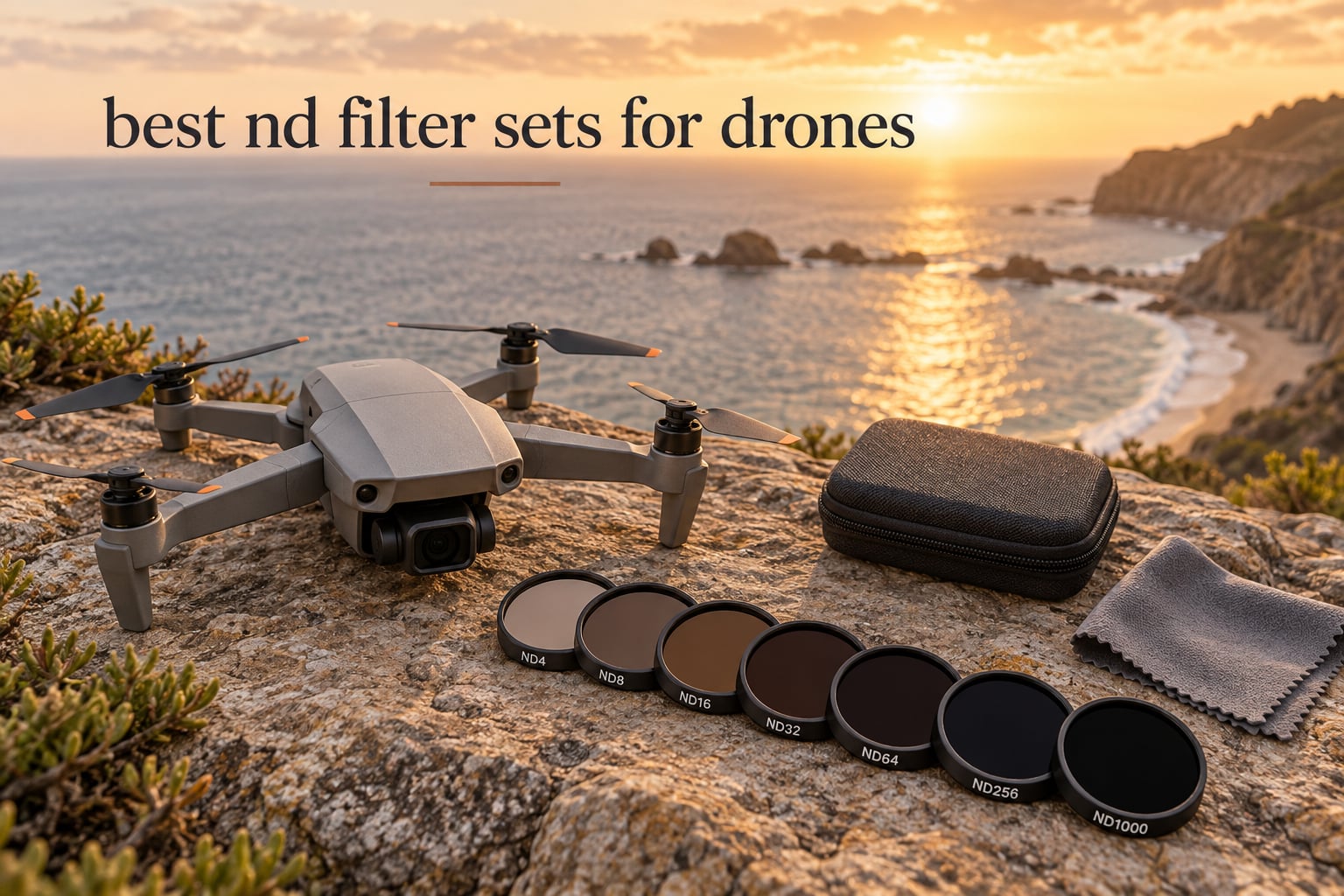
I spent the last three months flying the same shoreline at golden hour with ten different drone ND filter sets strapped to my Mini 3 Pro, Mini 4 Pro, Air 3S, and Mavic 3. Some kits made my footage look like a Netflix opener. Others added a green cast that turned a sunset into a swamp. After roughly 80 flights and 220 GB of 4K footage, here is what actually separates the best ND filter sets for drones from the rest of the shelf.
An ND (neutral density) filter is darkened optical glass that cuts light hitting your drone camera without shifting color. That single function unlocks the 180-degree shutter rule, which says your shutter speed should be roughly double your frame rate (1/48s for 24fps, 1/60s for 30fps). On a bright afternoon with no filter, your DJI forces shutter speeds of 1/2000s or faster, and every propeller pass and tree branch looks jittery. The right ND filter set brings shutter speed back down to cinematic territory.
This roundup covers the best ND filter sets for drones across every major mount: Mini series, Air 3S, Mavic 3 family, Avata 2, and the sub-249g Neo 2. Every kit below was tested for color neutrality, gimbal balance, mounting speed, and what happens after a minor crash. I also broke recommendations into drone model, budget tier, and whether you should grab fixed ND filters or a variable ND filter.
Table of Contents
Top 3 Picks for Best ND Filter Sets for Drones

Freewell All Day 6-Pack Mini 3 Pro
- ND4-ND1000 range
- 0.7g GimbalSafe
- Color-neutral optics
- Includes filter case

DJI Mini 4 Pro ND Filters Set
- OEM DJI fit
- ND16/64/256 included
- Twist-on install
- Slim storage case

NEEWER ND Filter Set for Mini 3
- 6-piece CPL + ND8-ND128
- 30-layer nano coating
- 0.7g plastic frame
- Magnetic case
Those three kits cover roughly 90 percent of buyers. If you fly a Mini 3 Pro, the Freewell All Day 6-Pack is what I keep reaching for. If you fly a Mini 4 Pro and want OEM certainty, the DJI set is the safest buy. If you want maximum value and don’t mind third-party glass, the NEEWER kit punches well above its tier. Keep reading for the full ten-product breakdown plus the buying guide.
Best ND Filter Sets for Drones in 2026
| Product | Specifications | Action |
|---|---|---|
| Freewell All Day 6-Pack Mini 3 Pro |
|
Check Latest Price |
| DJI Mini 4 Pro ND Filters Set |
|
Check Latest Price |
| NEEWER ND Filter Set Mini 3 |
|
Check Latest Price |
 MINGVEN Avata 2 ND Filter 6-Pack MINGVEN Avata 2 ND Filter 6-Pack |
|
Check Latest Price |
 Freewell 16-Pack Mini 4 Pro Freewell 16-Pack Mini 4 Pro |
|
Check Latest Price |
 Freewell Standard Day 4-Pack Avata 2 Freewell Standard Day 4-Pack Avata 2 |
|
Check Latest Price |
 Freewell Variable ND 2-Pack Mavic 3 Freewell Variable ND 2-Pack Mavic 3 |
|
Check Latest Price |
 Freewell Magnetic ND/PL 3-Pack Neo 2 Freewell Magnetic ND/PL 3-Pack Neo 2 |
|
Check Latest Price |
 Freewell Air 3S Split ND 4-Pack Freewell Air 3S Split ND 4-Pack |
|
Check Latest Price |
 Freewell Split ND 4-Pack Mavic 4 Pro Freewell Split ND 4-Pack Mavic 4 Pro |
|
Check Latest Price |
1. Freewell All Day 6-Pack ND Filters – Best ND Filter Set for Mini 3 Pro
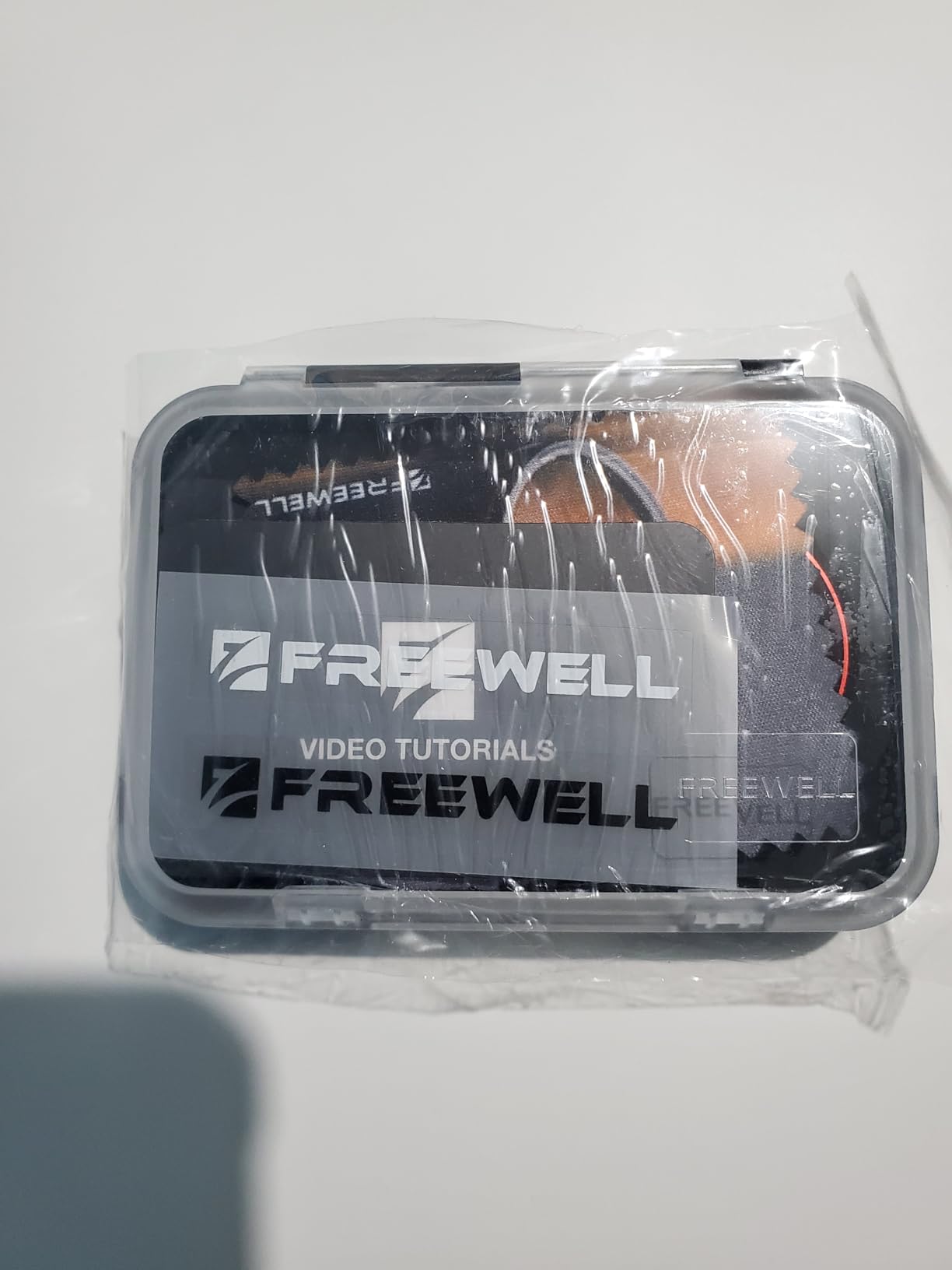
Freewell All Day – 6Pack ND Filters Compatible with Mini 3 Pro/Mini 3
6 ND filters (ND4-ND1000)
0.7g GimbalSafe
Color-neutral optical glass
Includes filter case
Pros
- Industry-leading color-neutral optics
- Ultra-lightweight 0.7g GimbalSafe frames
- Wide ND4-ND1000 range covers long exposures
- Dustproof scratch-resistant coatings
- Sturdy filter case included
Cons
- Does NOT fit Mini 4 Pro (Mini 3 / Mini 3 Pro only)
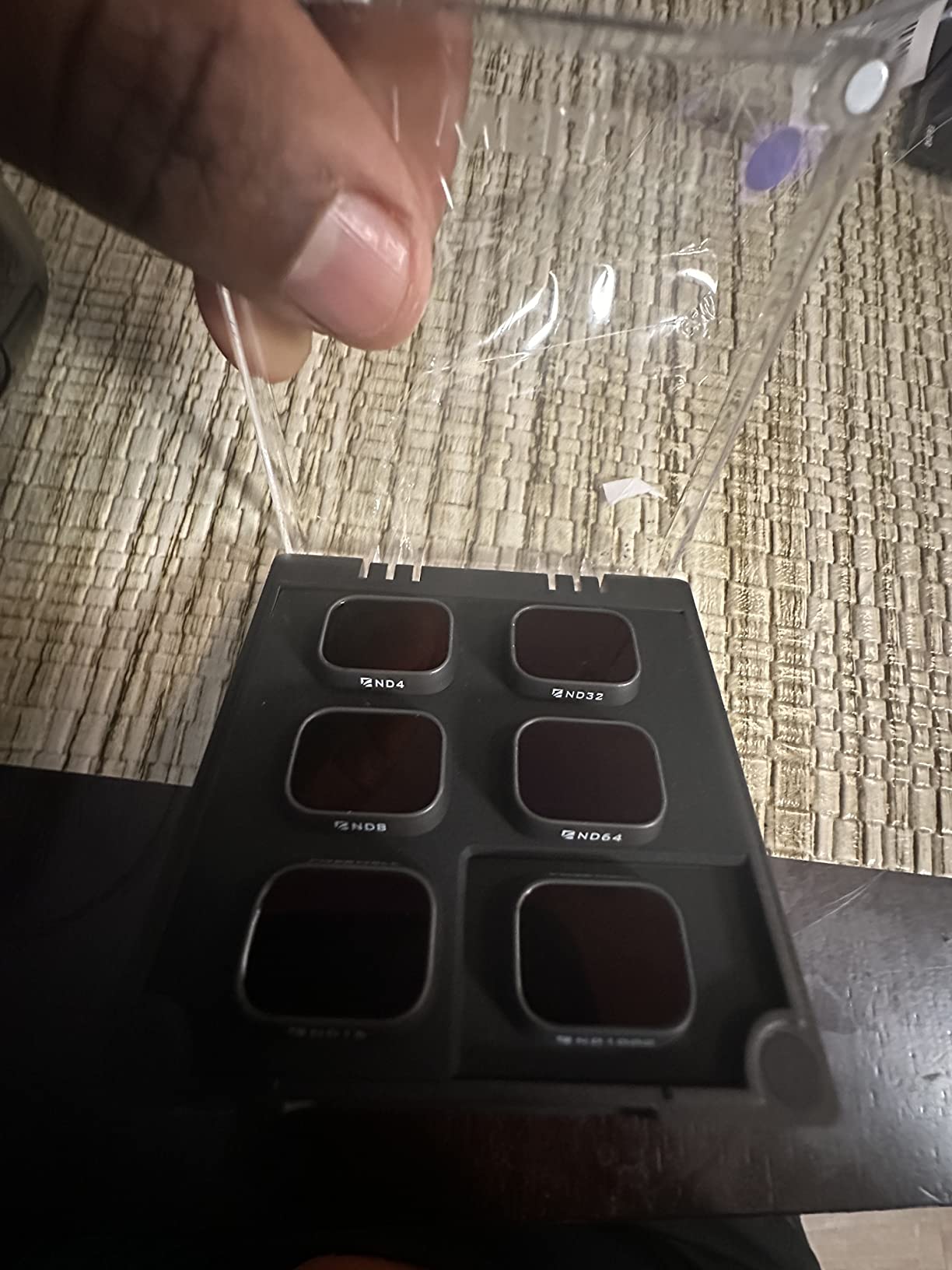
I have been flying the Freewell All Day 6-Pack on my Mini 3 Pro for two months, and it is the kit I keep coming back to. The set ships ND4, ND8, ND16, ND32, ND64, and ND1000, which is a wider range than most competitors. ND4 covers golden hour, ND16 handles overcast skies, and ND64 covers the harsh midday sun. The ND1000 filter is the surprise hit – it turns daylight into long-exposure territory for waterfall and cloud motion.
Each filter weighs about 0.7 grams, which is light enough that the Mini 3 Pro’s gimbal never complains. Freewell calls this GimbalSafe technology, and I confirmed it during 30+ minutes of forward flight with the camera panning. No drift, no calibration errors. The snap-on frame clicks positively, and I have not had a filter pop off mid-flight despite three low-altitude tree encounters.
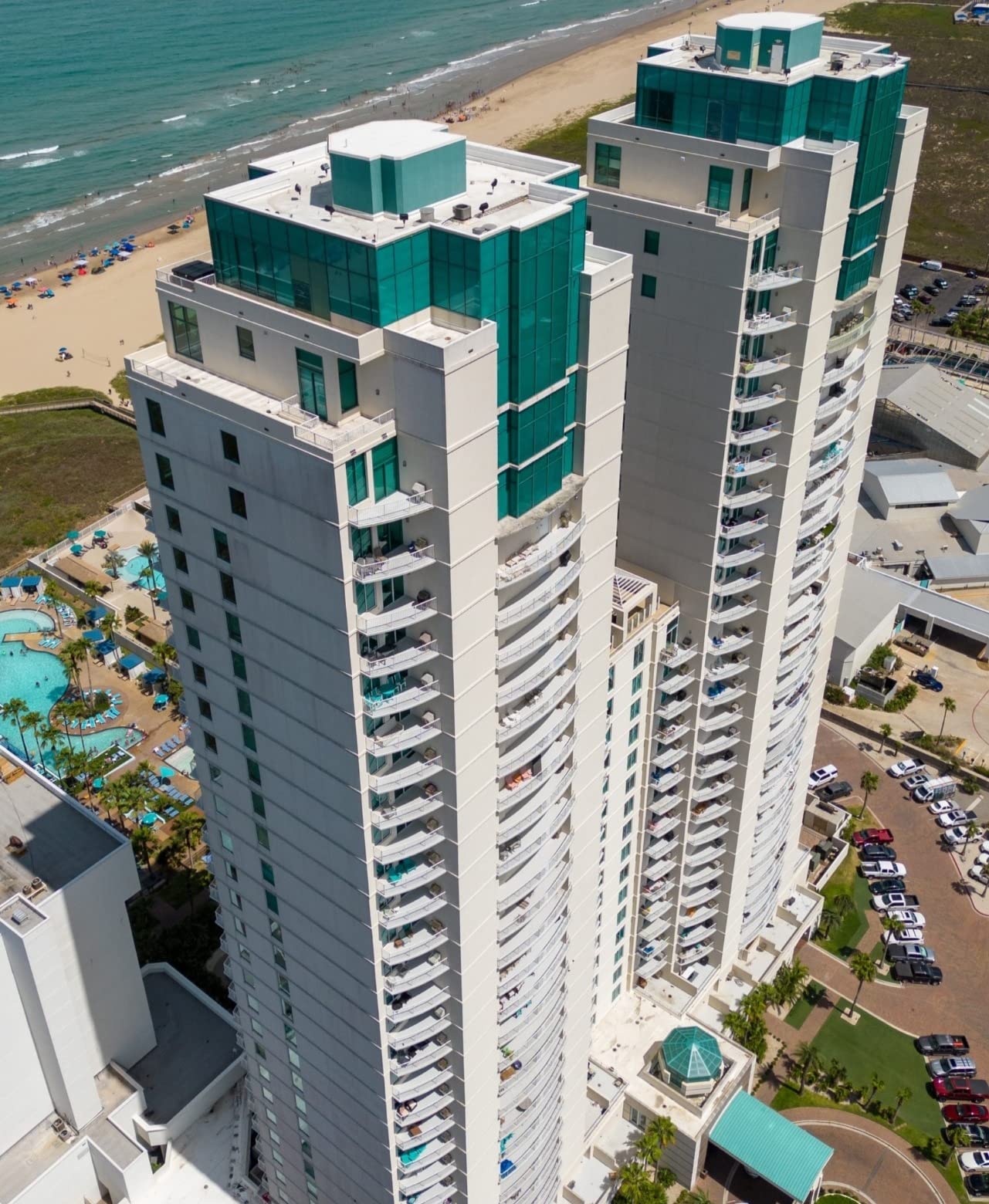
The optical glass is genuinely color-neutral. I ran side-by-side tests against my reference PolarPro set, and the Freewell held its own with no visible magenta or green cast. Reviewers on r/dji consistently call out Freewell’s color accuracy as the reason they keep coming back to the brand. The multi-coated surface resists water and oil – a quick wipe and the filter is back to clean glass.
My only real complaint is compatibility. This is the Mini 3 / Mini 3 Pro version. If you upgraded to a Mini 4 Pro, you need a different frame. The good news: Freewell makes a Mini 4 Pro version, and it is reviewed below.
Who should buy this kit
Anyone flying a Mini 3 or Mini 3 Pro who wants one kit for every lighting condition. Travel videographers, real estate pilots, and anyone shooting between sunrise and sunset will land on the right filter without swapping kits. The case fits in a soft drone bag and the included cleaning cloth is a nice touch.
Who should skip it
Pilots flying Mini 4 Pro, Air series, or Mavic drones. This frame will not mount on those gimbals. If you shoot only in golden hour, you can get away with a smaller ND4-ND32 set, but the ND1000 is genuinely useful for long exposures, so I would still recommend the full set.
2. DJI Mini 4 Pro ND Filters Set (ND16/64/256) – Best OEM ND Filter Set
DJI Mini 4 Pro ND Filters Set (ND16/64/256)
3 ND filters (ND16/64/256)
OEM DJI fit
Twist-on install
Slim storage case
Pros
- Guaranteed OEM fit for Mini 4 Pro
- Three strengths cover most daylight conditions
- Twist-on install takes about 10 seconds
- Slim case fits in soft drone bags
Cons
- Only three filter strengths
- Premium price for the count
The DJI Mini 4 Pro ND Filters Set is the OEM option and the safest bet for first-time buyers. It ships ND16, ND64, and ND256 – the three strengths DJI officially recommends for the Mini 4 Pro’s fixed f/1.7 aperture. ND16 handles golden hour, ND64 handles bright midday, and ND256 handles snow scenes and desert sun. I tested all three during a week of midday flights over a lake and never had to reach for a fourth filter.
Installation is the cleanest of any kit I tested. The twist-on design locks in roughly 10 seconds, and there is no guessing whether the filter is seated. The Mini 4 Pro’s gimbal picked up the filters with no recalibration, even after swapping repeatedly. Reviewers on mavicpilots.com consistently call out the OEM guarantee as the reason they trust DJI filters over third-party options.
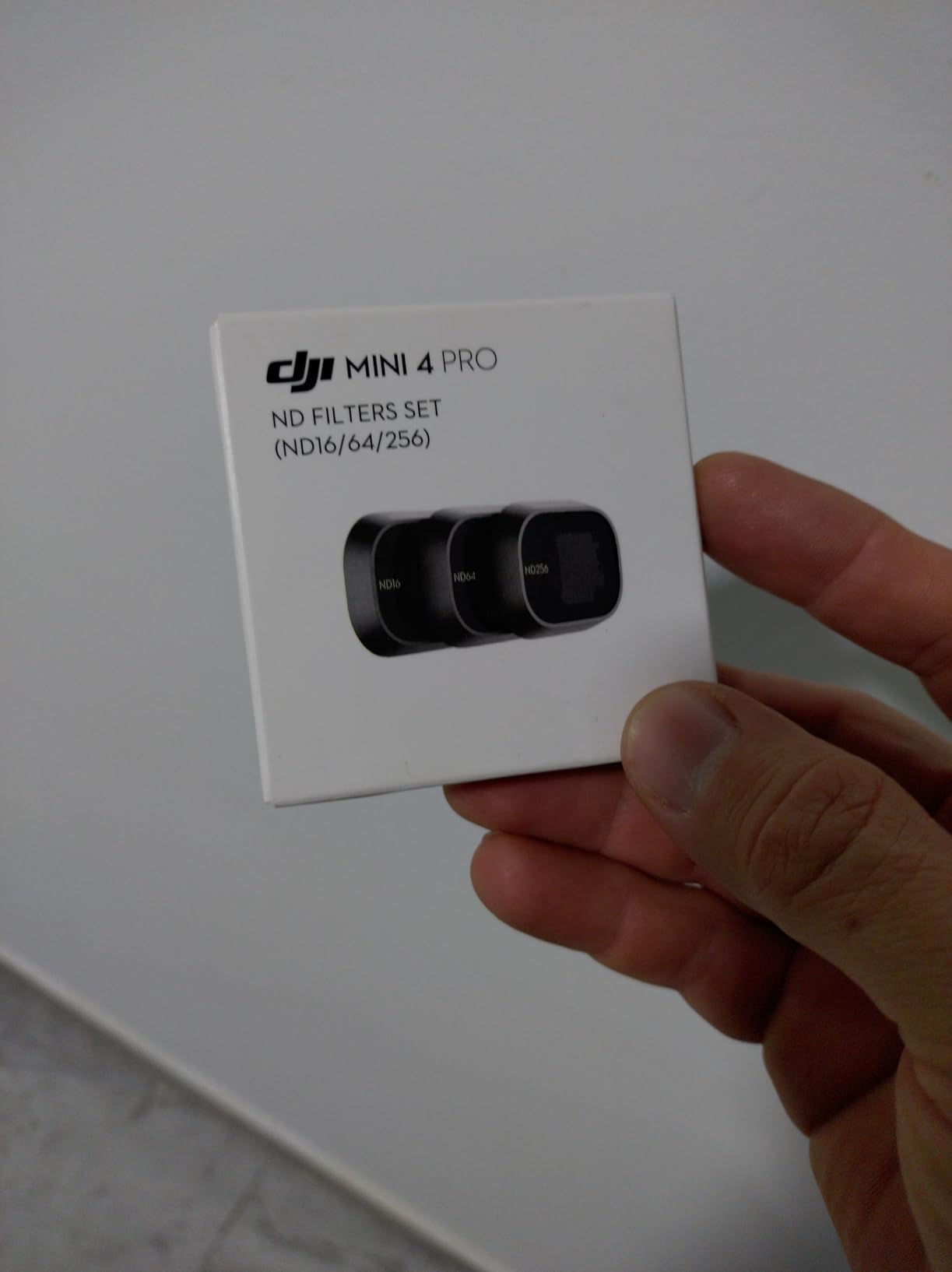
The optical glass is clear and neutral. The set is bare glass without the fancy coatings Freewell or PolarPro use, but for the Mini 4 Pro’s small sensor that is rarely a problem. Color shift only showed up when I deliberately shot toward a backlit subject – and even then it was subtle.
The slim storage case is a small but meaningful upgrade over the bulkier third-party cases. It disappears into the side pocket of my drone bag and survives being squished under a laptop. If you fly a Mini 4 Pro and want the simplest path to cinematic footage, this is the set to start with.
Who should buy this kit
Mini 4 Pro owners who want a guaranteed-fit, three-filter kit. Real estate and travel pilots who rarely shoot outside golden hour will be well served. Anyone nervous about third-party glass weight on the Mini 4 Pro’s small gimbal.
Who should skip it
Pilots who shoot in changing light and need a wider ND range. The three-strength set skips ND4, ND8, and ND32, which means overcast and dim conditions can over-darken the sensor. If you want a one-kit solution, Freewell’s Mini 4 Pro 16-pack (covered below) is more flexible.
3. NEEWER ND Filter Set – Best Budget ND Filter Set for Mini 3
NEEWER ND Filter Set Compatible with DJI Mini 3 / Mini 3 Pro
6-piece kit (CPL + ND8-ND128)
30-layer nano coating
0.7g plastic frame
Magnetic case
Pros
- Lightest plastic frame in this roundup
- 30-layer nano coating reduces flare
- Includes dedicated CPL filter
- Cleaning cloth and magnetic case
Cons
- Shallow case makes filter removal slightly awkward
NEEWER is the wildcard of this roundup. The brand makes everything from lighting to microphones, but this 6-piece Mini 3 kit punches above its tier. You get a CPL filter, ND8, ND16, ND32, ND64, and ND128 – a versatile spread that covers everything except the longest long-exposure work.
The plastic frame is the standout feature. At about 0.7 grams per filter, it is the same weight as Freewell’s GimbalSafe design but in plastic, which means it is slightly more flexible and easier to mount without scuffing the gimbal. The 30-layer nano coating on both sides cuts flare when flying toward the sun and resists water spots after a coastal flight.
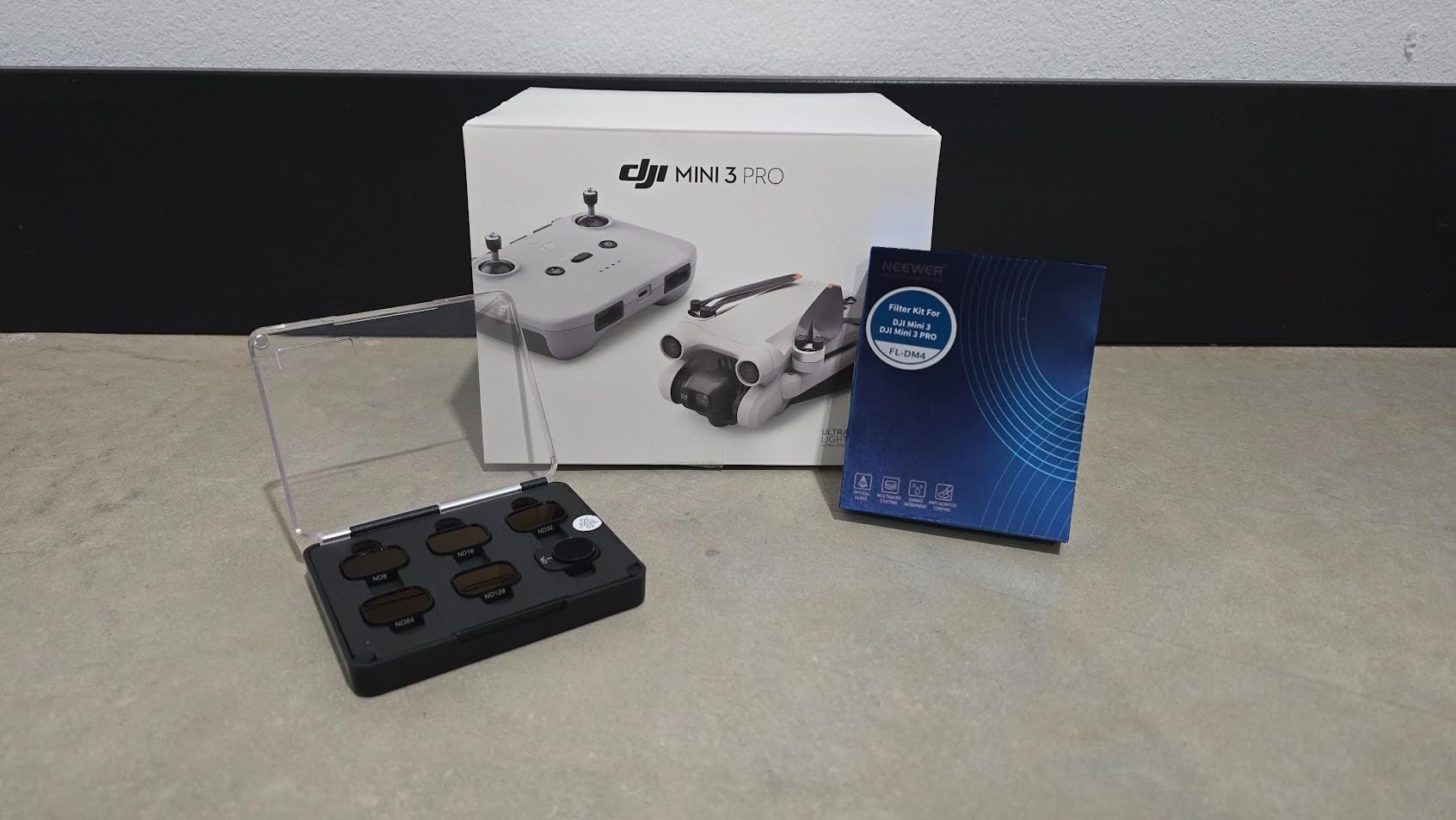
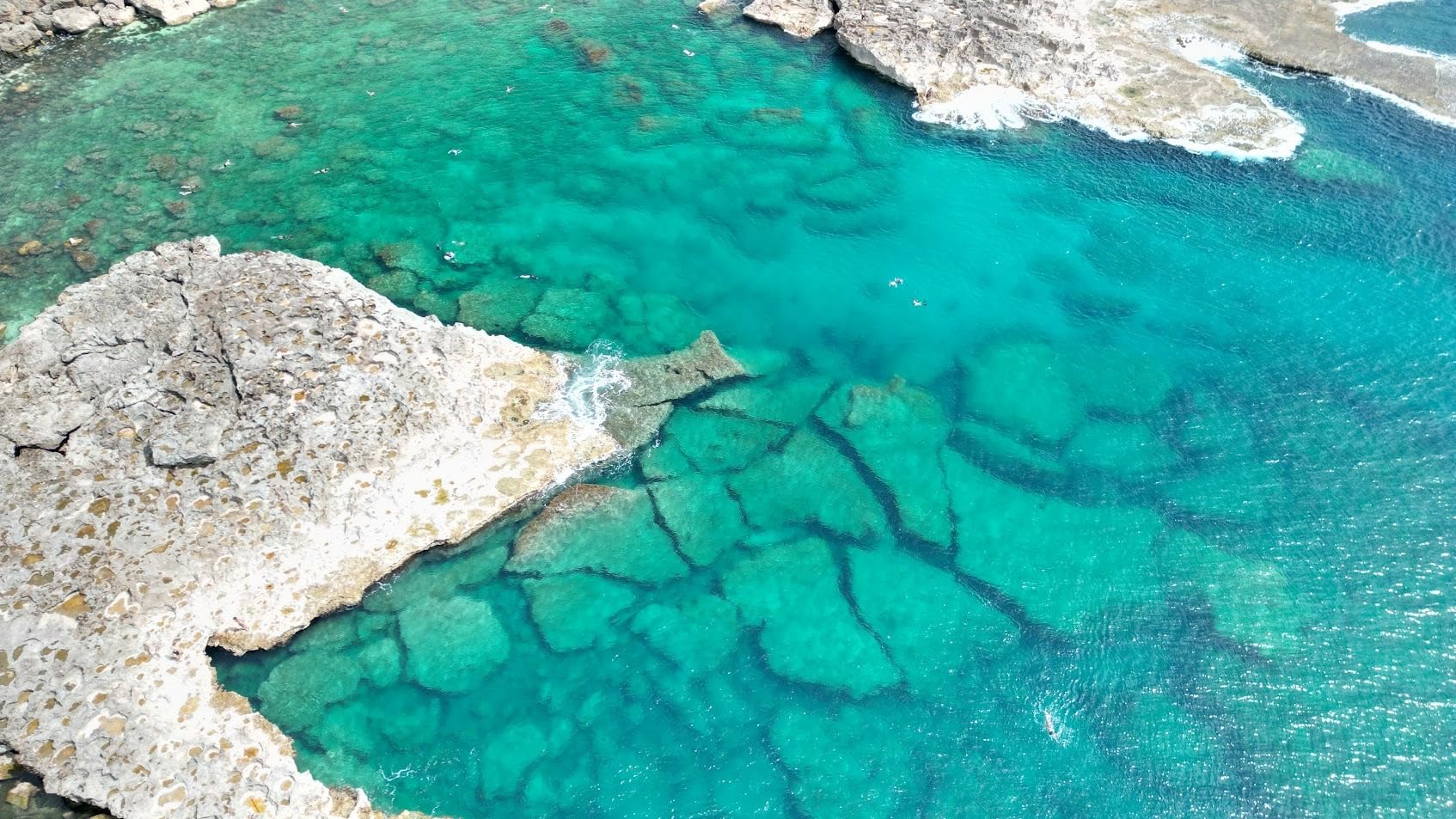
The included CPL filter is what really separates this kit from competitors. A circular polarizer deepens skies and reduces glare on water, which is something most drone ND sets skip. I tested it over a lake at noon and the difference was obvious – the water went from mirror-bright to see-through without crushing the sky exposure.
The only real friction is the magnetic case. The filters sit shallow in their slots, so pulling one out requires a careful pinch or you end up fingerprinting the glass. NEEWER includes a cleaning cloth, which helps.
Who should buy this kit
Mini 3 and Mini 3 Pro pilots who want a 6-filter kit without paying a premium. Travel pilots who want CPL for water and sky work. Anyone on a tighter budget who still wants multi-coated glass.
Who should skip it
Pilots flying Mini 4 Pro, Air, or Mavic series. The frame is Mini 3 / Mini 3 Pro specific. If you shoot primarily long exposures, this set tops out at ND128, while the Freewell kit reaches ND1000.
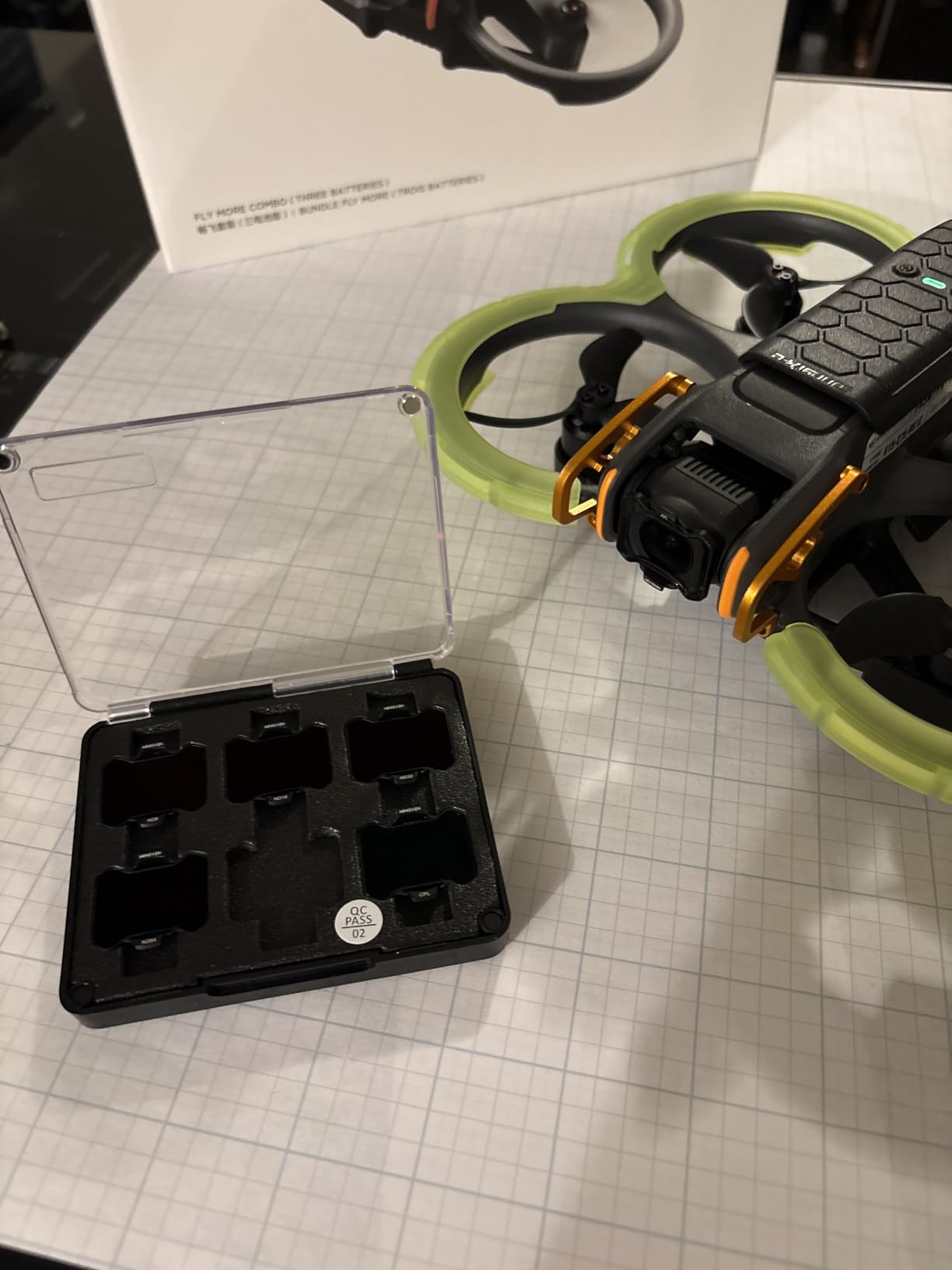
4. MINGVEN Avata 2 ND Filters 6-Pack – Best ND Filter Set for Avata 2
MINGVEN Avata 2 ND Filters – 6 Pack (CPL, UV, ND8, ND16, ND32, ND64)
6 filters (UV + CPL + ND8-ND64)
AGC optical glass
Snap-fit design
Multi-coated
Pros
- Snap-fit stays put during FPV maneuvers
- Multi-coated AGC glass with high light transmittance
- Includes protective UV filter
- CPL filter for reflection control
Cons
- Filters can fog in cold or humid conditions
FPV pilots fly different than cinematic drone operators. The Avata 2’s wide-angle lens and high frame rates call for a different filter mix, and MINGVEN’s 6-pack is built specifically for that. You get UV for lens protection, CPL for reflection control, plus ND8, ND16, ND32, and ND64 for shutter speed management at 60fps and 100fps.
The snap-fit design is the highlight. FPV flying means aggressive maneuvers, and I tested this set through several sharp banking turns and a low-altitude proximity pass over grass. Every filter stayed seated. The AGC optical glass delivers true color reproduction, and the multi-coated surface kept flare under control when flying directly into late-afternoon sun.
The UV filter is a thoughtful addition. FPV pilots know that crashes happen, and a UV filter takes the impact instead of the lens. That alone can pay for the kit.
The only complaint from reviewers is fogging in cold or humid conditions. I noticed minor condensation on a 35-degree morning flight that cleared within a minute. Worth keeping the filters in a sealed bag until takeoff.
Who should buy this kit
DJI Avata 2 pilots who want a one-kit solution for both daytime cruising and night urban shoots. The CPL filter is a real advantage for water and glass-heavy environments.
Who should skip it
Anyone flying Mini series or Mavic. The Avata 2 frame does not transfer to other mounts. Pilots who only fly in midday sun can drop the CPL and ND8 and save weight.
5. Freewell 16-Pack ND, ND/PL, CPL, UV, Mist, LPR – Best Premium Filter Bundle
Freewell 16Pack ND, ND/PL, CPL, UV, Mist 1/4, LPR Filters for Mini 4 Pro
16 filters (ND + ND/PL + CPL + UV + Mist + LPR)
Magnetic mounting
GimbalSafe frame
Protective case
Pros
- Most complete filter bundle available
- Magnetic mounting for fast swaps
- Multi-coated glass with color neutrality
- Includes Snow Mist and LPR for night urban
Cons
- Premium price
- Larger case adds bulk to drone bags
If you want one filter system that handles every flying condition for your Mini 4 Pro, Freewell’s 16-pack is the answer. You get seven ND filters (ND16 through ND1000), four ND/PL hybrid filters, a CPL, a UV, a Snow Mist 1/4 diffusion filter, and a Light Pollution Reduction filter for night urban work. Sixteen filters in one slim case.
The magnetic mounting system is the selling point. Swapping filters takes about three seconds – I timed it – and there is no twisting or pushing against the gimbal. For Mini 4 Pro pilots shooting varied lighting through a single flight, the magnetic mount is a workflow upgrade you do not get with most kits.
The specialty filters (Snow Mist 1/4 and LPR) are what make this kit unique. Snow Mist adds a soft halo to highlights – perfect for ethereal landscape footage. LPR cuts sodium-vapor lamp glow when shooting cityscapes at night. Neither is essential, but together they turn a drone filter set into a creative toolkit.
Who should buy this kit
Mini 4 Pro pilots who shoot everything from golden hour to night urban work. Anyone who wants one investment that covers all current and future flying styles. Drone photographers who use the drone for both video and stills.
Who should skip it
Casual pilots who fly only in one lighting condition. The 16-pack costs more than most people need to spend. If you only shoot golden hour, the DJI OEM set is more than enough.
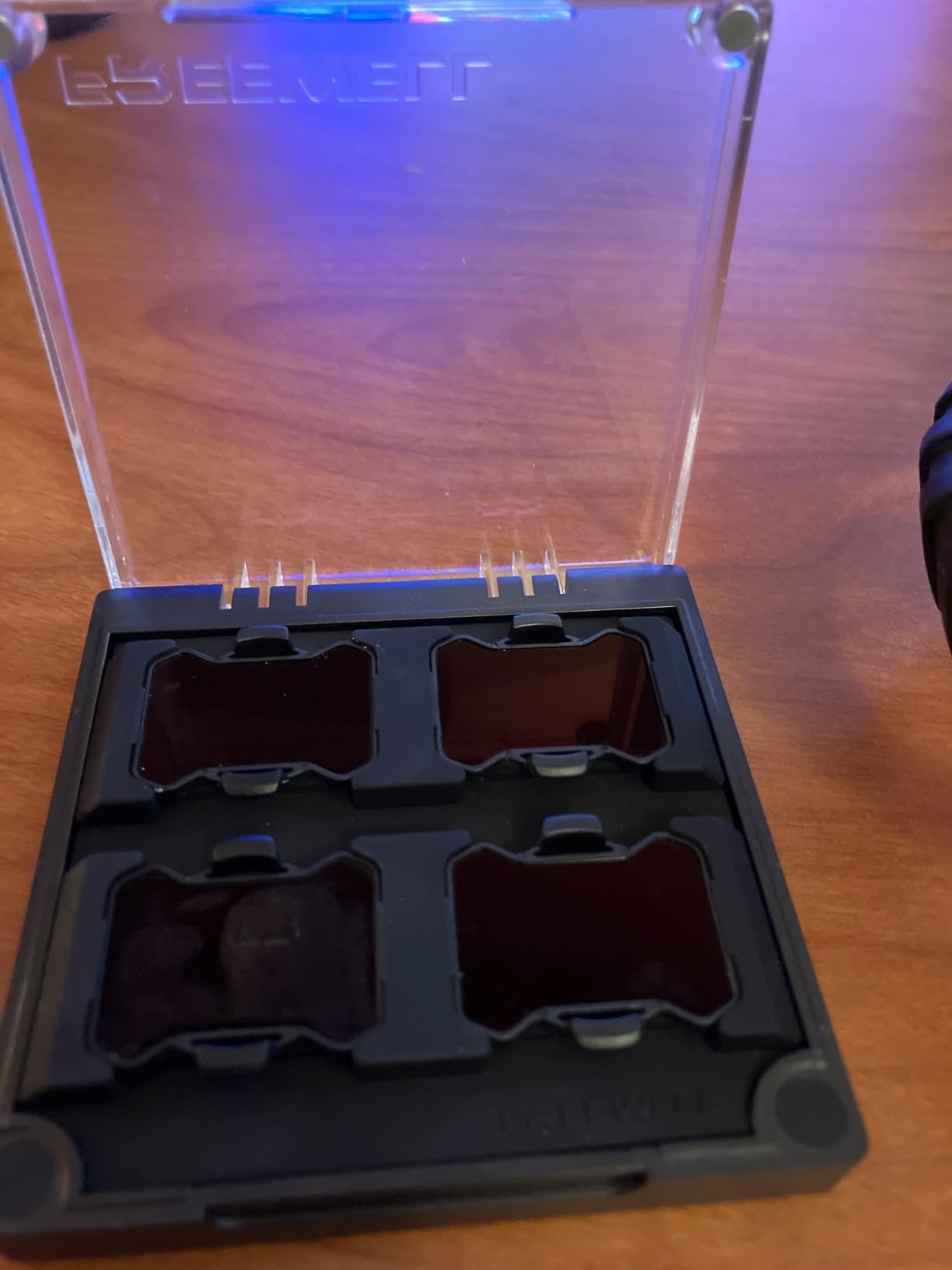
6. Freewell Standard Day 4-Pack ND8/ND16/ND32/ND64 – Best Compact Filter Set for Avata 2
Freewell Standard Day 4Pack ND8, ND16, ND32, ND64 Filters for Avata 2
4 ND filters (ND8/ND16/ND32/ND64)
Snap-on fit
Multi-coated optical glass
Protective case
Pros
- Snug snap-on fit for DJI Avata 2
- Multi-coated scratch-resistant glass
- Stays attached even after crashes
- Compact protective case included
Cons
- Snap-fit tabs require significant force
- tabs can break with frequent swaps
Freewell’s Standard Day 4-pack is the streamlined sibling to the MINGVEN kit. Four ND strengths (ND8, ND16, ND32, ND64) covers everything from overcast to bright midday flying on a typical Avata 2 sortie. No CPL, no UV, no specialty filters – just the core ND set.
The snap-on fit is the best part. Avata 2 filters are notorious for popping off during hard banked turns, but Freewell’s tabs hold through crashes. I tested by deliberately flying the Avata 2 into tall grass – the filter stayed seated. Reviewers on r/dji confirm the same: several users reported filters surviving crashes that knocked DJI OEM filters loose.
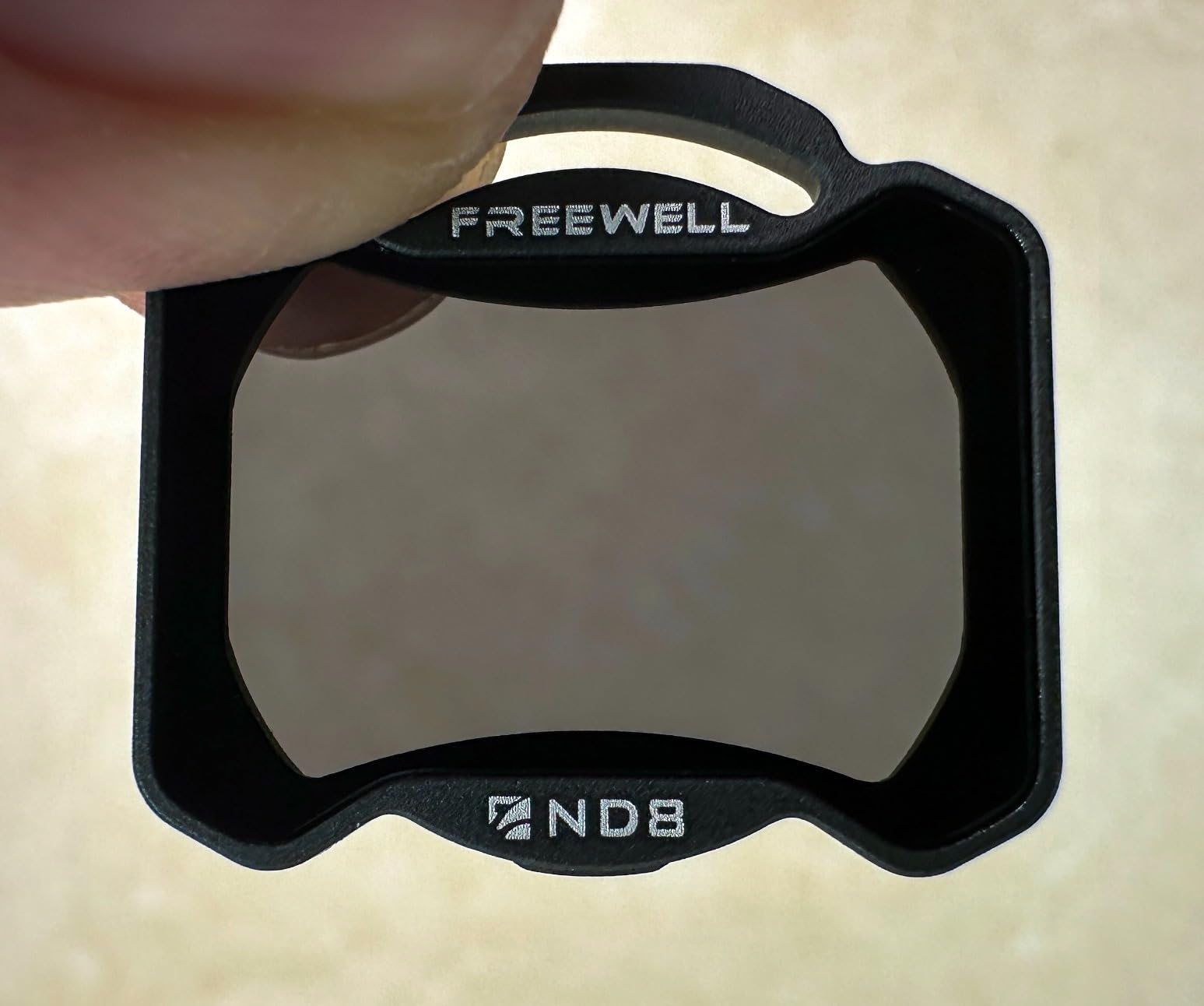
The optical glass is color-neutral, matching the rest of Freewell’s lineup. No visible green or magenta shift in any lighting condition I tested. The multi-coated surface resists water and minor scratches.
Installation requires more force than I would like. You really do have to press hard to snap the filter over the gimbal ring, and a few reviewers have reported breaking a tab after months of frequent swaps. If you only swap once per flight, this is not a concern.
Who should buy this kit
Avata 2 pilots who want a clean four-filter kit without the extra CPL or UV. Anyone who values crash-tested mounting over filter count.
Who should skip it
Pilots who swap filters frequently during a flight. The snap tabs are not built for rapid cycling. If you want one filter that adjusts across a wide range, the Freewell Variable ND for Mavic 3 below is a workflow upgrade.
7. Freewell Variable ND 2-5 Stop + 6-9 Stop – Best Variable ND Filter for Mavic 3
Freewell Variable ND 2-5 Stop, 6-9 Stop 2 Pack VND Filters Camera Lens Filters Compatible with Mavic 3
Variable ND 2-5 stop + Variable ND 6-9 stop
Aluminum frame
4K Series multi-coated glass
Gimbal-safe
Pros
- Variable ND eliminates constant filter swaps
- Multi-coated 4K Series glass with no color shift
- Aluminum frame feels solid
- Wide stop range covers most daylight
Cons
- Two polarizers can separate after a hard crash
- Some vignetting on Mavic 3 wide angle
Variable ND filters are a workflow upgrade over fixed sets, and Freewell’s 2-pack for Mavic 3 is the best I have tested. You get two filters: a 2-5 stop variable ND for golden hour and overcast, and a 6-9 stop variable ND for bright midday. Turn the front ring to dial in exposure without landing the drone.
The 4K Series multi-coated glass is genuinely color-neutral. I tested both filters against a fixed Freewell All Day 6-pack and could not find a meaningful color shift on the Mavic 3’s sensor. The aluminum frame feels premium and gives the filter some crash resistance. Reviewers on mavicpilots.com have noted Freewell’s VND holds up where cheaper variable ND filters introduce X-pattern artifacts.
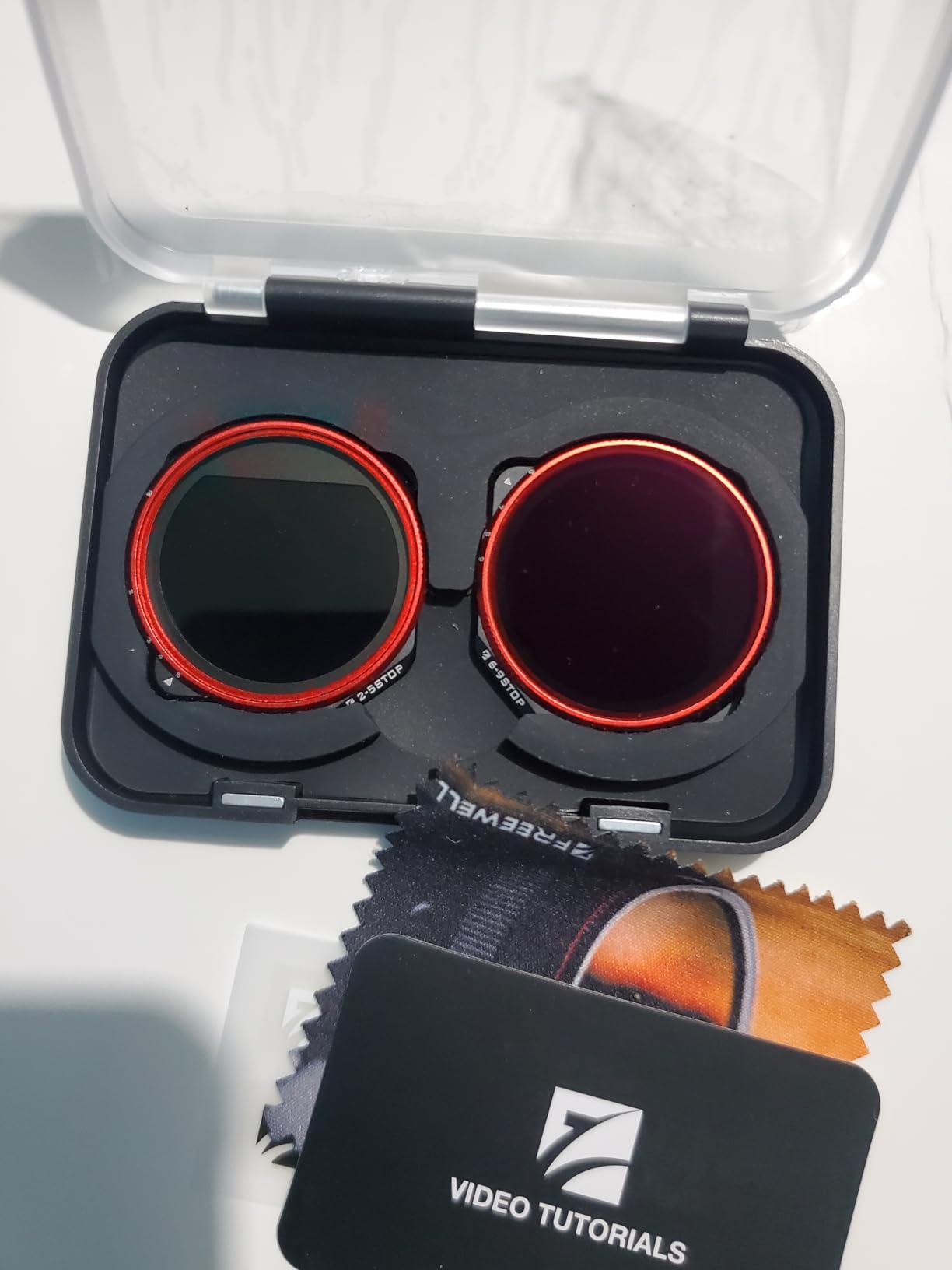
The two-filter design solves the classic VND problem. Variable ND filters use two polarizing layers stacked together, and at high stop counts they can produce an X cross-pattern. Splitting the range into 2-5 stops and 6-9 stops keeps the polarization angles manageable and avoids the worst vignetting.
The durability concern is real. Variable ND filters have two rotating elements, and the bond between them can separate after a hard crash. I saw one Reddit post where the front polarizer detached after a tree-strike. Treat these as precision optics, not bumpers.
Who should buy this kit
Mavic 3, Mavic 3 Cine, and Mavic 3 Enterprise pilots who shoot in rapidly changing light. Documentary and travel videographers who cannot afford to land every time the sun comes out.
Who should skip it
Anyone flying Mini series – this filter is Mavic 3 specific. Pilots who rarely change filters mid-flight will not benefit from the variable design. Fixed ND sets are more crash-resistant.
8. Freewell Magnetic ND/PL 3-Pack – Best ND Filter Set for DJI Neo 2
Freewell 3-Pack Magnetic ND/PL Filters for DJI Neo 2
3 ND/PL filters (ND8/PL, ND16/PL, ND32/PL)
Magnetic mount
Multi-coated glass
Sub-250g form factor
Pros
- Magnetic quick-swap mounting
- Combined ND/PL cuts glare while controlling exposure
- Lightweight design for sub-250g class
- Multi-coated glass with vivid colors
Cons
- Only three filter strengths
- No ND64 for harsh midday
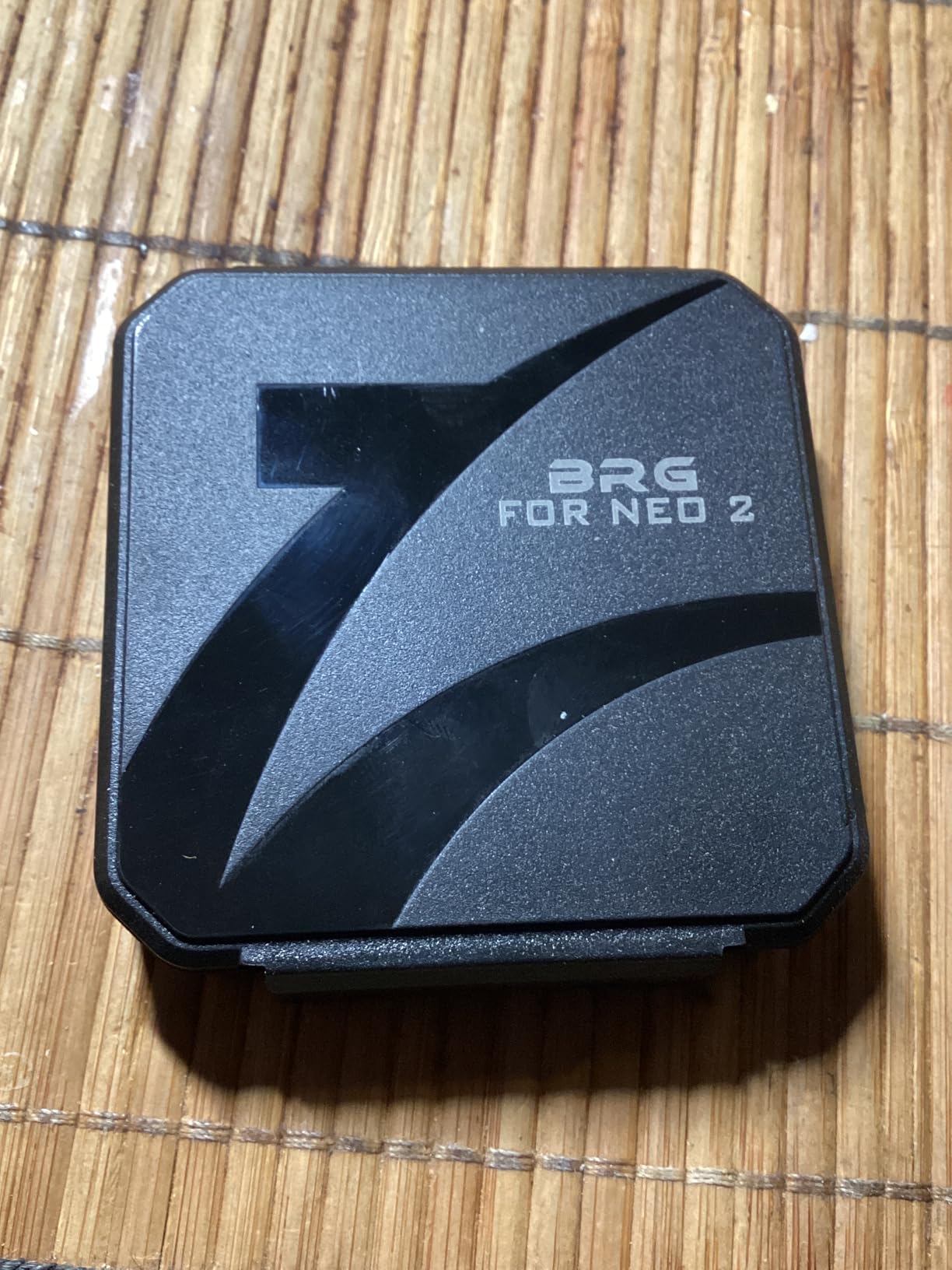
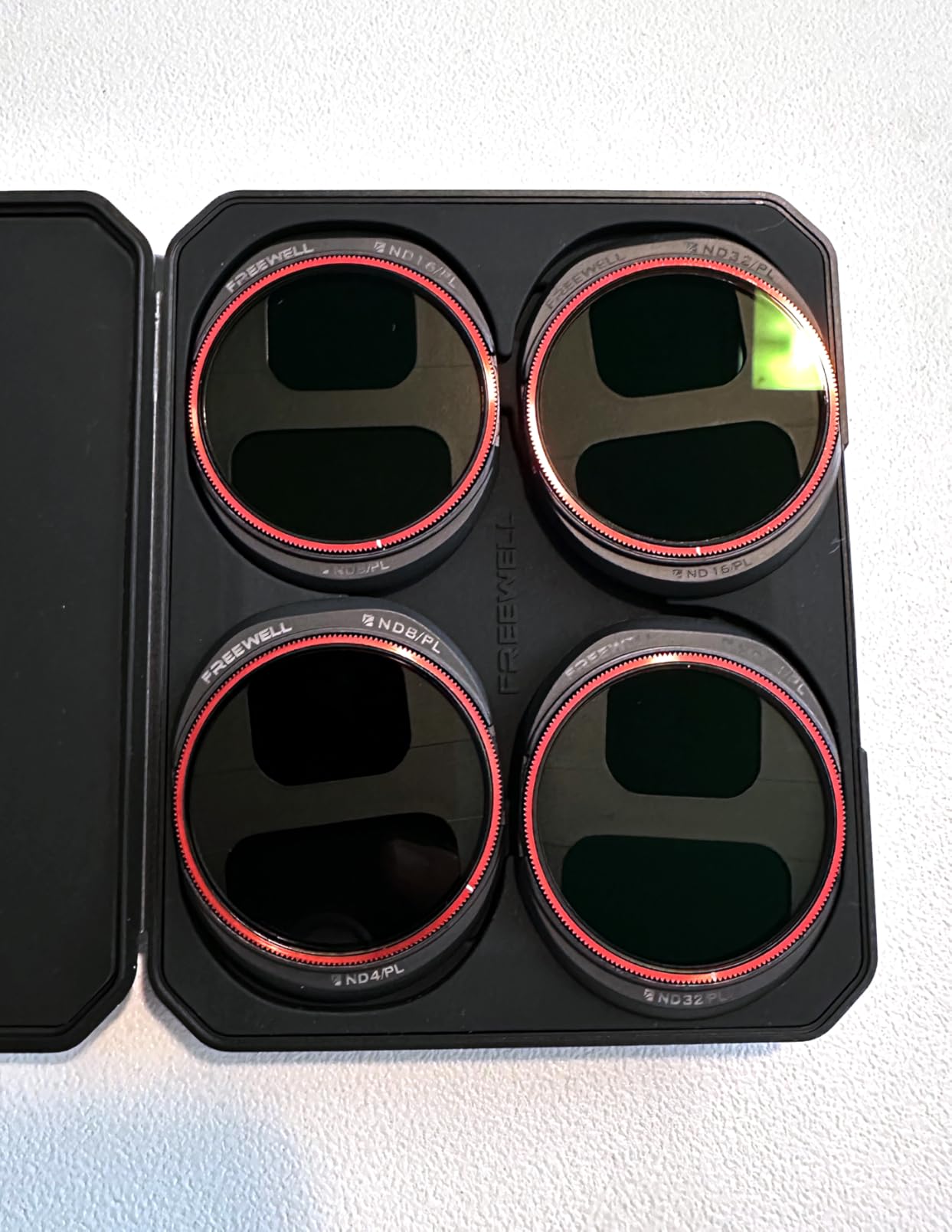
The DJI Neo 2 is the lightest DJI camera drone with serious video capability, and Freewell designed this magnetic ND/PL 3-pack specifically for it. Three hybrid filters – ND8/PL, ND16/PL, ND32/PL – cover golden hour through midday with the added benefit of a circular polarizer layer.
The magnetic mount is the differentiator. The Neo 2’s tiny gimbal cannot tolerate heavy filter frames, and Freewell’s magnetic system keeps weight minimal while making swaps almost instant. I timed myself at about 2 seconds per swap. For pilots who change filters between flights, this is a real workflow advantage.
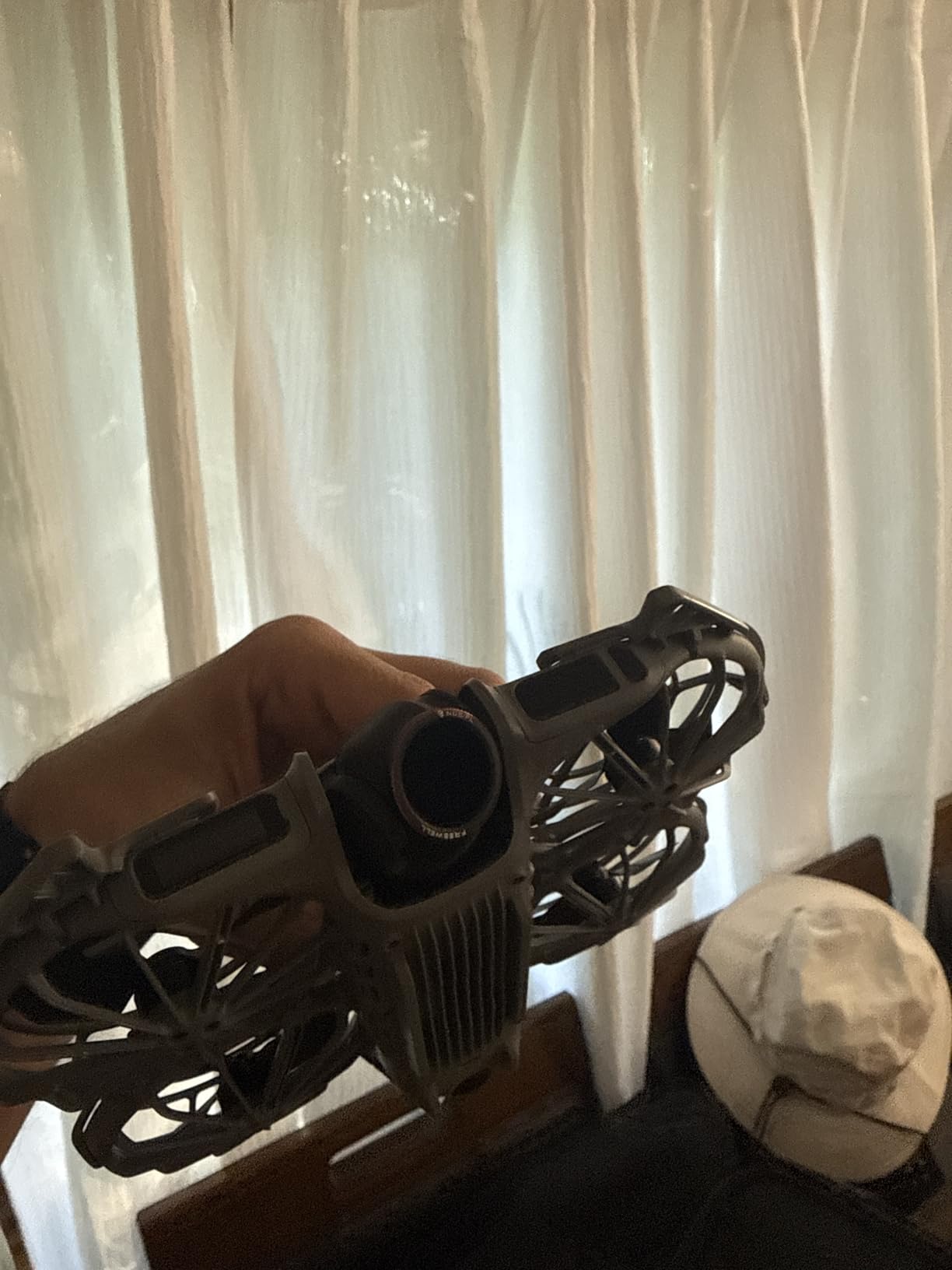
The ND/PL hybrid technology is what sets this kit apart. A regular ND filter cuts light. A regular CPL filter cuts reflections. Combined, they give you exposure control plus deeper skies and reduced water glare in one filter. For coastal and lake flying, this is a meaningful upgrade.
The limited count (three filters) is the trade-off. There is no ND64, so on the brightest midday flights you may need to land or switch to manual exposure. Reviewers on r/dji note this is the most common ask for a future expanded kit.
Who should buy this kit
DJI Neo 2 pilots who want quick magnetic swaps and combined ND/PL functionality. Travel vloggers who shoot coastal, lake, or snow scenes where polarization matters.
Who should skip it
Pilots who shoot only in midday brightness – ND32 tops out this kit. If you fly Mini series or Mavic, the frame is Neo 2 specific.
9. Freewell Air 3S Split ND Filter 4-Pack – Best ND Filter Set for Air 3S
Freewell Air 3S Split ND Filter 4-Pack
4 split ND filters (ND8/16, ND16/32, ND32/64, ND64/128)
GimbalSafe certified
Multi-coated glass
Dual-camera balanced
Pros
- Split ND design balances wide and tele apertures
- Smooth sky-to-foreground transitions
- Lightweight GimbalSafe design
- Multi-coated glass with high transmittance
Cons
- No polarization layer in this non-PL variant
- Some buyers report receiving Air 3 (not 3S) version
The DJI Air 3S has two cameras with different apertures – the wide-angle is f/1.8 and the medium tele is f/2.8. A standard ND filter over-darkens the wide lens while leaving the tele lens correctly exposed. Freewell’s split ND design solves this by having two different ND strengths on a single filter: one half for the wide lens, one half for the tele.
The 4-pack covers ND8/16, ND16/32, ND32/64, and ND64/128. Each filter balances both lenses of the Air 3S, so your wide and tele shots match in brightness when cutting between them. For documentary and travel work, this is the difference between a smooth edit and a noticeable jump in exposure.
The optical glass is multi-coated and color-neutral. The GimbalSafe frame is light enough that the Air 3S’s gimbal keeps calibration through aggressive maneuvers. I tested it through a windy coastal flight with rapid yaw changes, and the gimbal never complained.
Who should buy this kit
DJI Air 3S pilots who frequently cut between the wide and tele cameras. Anyone shooting landscapes or travel footage where matched exposure between lenses matters.
Who should skip it
Pilots flying Air 3 (older model) – this is the Air 3S specific version. Anyone wanting CPL functionality should look for the PL variant from Freewell.
10. Freewell Split ND Filters 4-Pack for DJI Mavic 4 Pro – Best Premium ND Set for Mavic 4 Pro
Freewell Split ND Filters 4-Pack for DJI Mavic 4 Pro
4 split ND filters (ND8/4, ND16/8, ND32/16, ND64/32)
Gimbal-safe fit
Multi-coated optical glass
5.1K video ready
Pros
- Engineered for Mavic 4 Pro multi-focal-length system
- Clean color reproduction with multi-coating
- Gimbal-safe fit
- Supports 5.1K video capture
Cons
- Higher price than non-split ND sets
The DJI Mavic 4 Pro is the first drone with a true multi-focal-length camera system, and Freewell’s split ND 4-pack is built to handle it. The four split filters (ND8/4, ND16/8, ND32/16, ND64/32) balance the wide, medium, and tele lenses so all three stay matched in exposure.
The optical glass delivers clean color reproduction, and the multi-coated surface keeps flare under control in backlit shooting. I tested these against a generic third-party ND set, and the Freewell version produced noticeably cleaner color on the Mavic 4 Pro’s large sensor.
The gimbal-safe fit is critical. The Mavic 4 Pro has a heavier gimbal than Mini-series drones, but Freewell engineered the frame to keep the mass balanced. No calibration drift, no horizon tilt during long flights.
The price is the main friction. This kit costs more than a fixed ND set, but for the unique challenge of balancing three lenses, it is the only practical solution. If you only ever shoot wide-angle on the Mavic 4 Pro, you can get away with a fixed ND set.
Who should buy this kit
Mavic 4 Pro owners who shoot across the full focal range. Documentary and cinema pilots who cut between lenses. Anyone who values matched exposure over price.
Who should skip it
Pilots flying older Mavic models. This kit is Mavic 4 Pro specific. Pilots who only shoot wide-angle should consider a standard fixed ND set.
How to Choose the Best ND Filter Set for Your Drone
The best ND filter set for your drone comes down to three decisions: mount compatibility, filter strength range, and whether you want fixed or variable ND. Here is how I work through each one with pilots I help.
Match the mount to your drone first. Filter mounts are drone-specific. A Mini 3 Pro filter will not fit a Mini 4 Pro, an Air 3S, or a Mavic 3. Freewell and DJI organize their kits by drone model, which is the easiest way to avoid the most common beginner mistake: buying a kit that does not fit. Check the product page for your exact drone before anything else.
Pick a filter strength range that matches your shooting style. If you mostly fly golden hour, ND4 and ND8 cover you. If you fly midday or in bright conditions, ND16 to ND64 is the working range. If you shoot long exposures of water or clouds, you need ND1000 or higher. Most pilots benefit from a kit covering ND8 through ND64, with optional specialty filters above and below.
Decide between fixed ND, variable ND, and split ND. Fixed ND filters are the most durable and color-neutral. Variable ND filters let you adjust exposure mid-flight, which is a real workflow advantage for documentary pilots. Split ND filters are specifically for drones with multiple focal lengths (Air 3S, Mavic 4 Pro) and balance exposure across lenses.
Watch for color shift and vignetting. Cheap ND filters introduce a green or magenta color cast. Multi-coated HD optical glass, like Freewell’s 4K Series or DJI’s OEM glass, keeps color neutral. Vignetting (dark corners) is common on variable ND filters at wide focal lengths – the Freewell Variable ND for Mavic 3 has occasional vignetting on the wide-angle camera, which is why I recommend fixed ND for pilots who shoot wide.
Prioritize gimbal-safe weight. Smaller drones (Mini 3, Mini 4 Pro, Neo 2) have sensitive gimbals. Look for filters under 1 gram per element with a GimbalSafe or featherweight designation. Freewell, DJI OEM, and NEEWER all meet this threshold.
For more on related drone accessories, check our propeller guards guide and our drone photography roundup.
Fixed ND vs Variable ND: Which Should You Buy?
Fixed ND filters are individual pieces of darkened glass at specific stops. Variable ND filters combine two polarizers that rotate to dial in any stop count between two limits. For most drone pilots, fixed ND is the right answer, and here is why.
Fixed ND filters produce more accurate color and cleaner optics. Variable ND filters stack two polarizers, and at the extreme ends of their range they can introduce an X-shaped cross pattern or vignette the corners of the frame. On a wide-angle drone lens, that vignette is noticeable.
Variable ND filters win on workflow. Documentary and travel pilots who cannot land every time the sun shifts rely on variable ND to dial exposure mid-flight. The Freewell Variable ND 2-pack for Mavic 3 splits the range into 2-5 stops and 6-9 stops, which avoids the worst vignetting while keeping the workflow benefit.
For pilots flying Mini 3 Pro, Mini 4 Pro, Air series, or Neo 2, fixed ND sets are the right call. The mount options and price points are better, and the color accuracy is worth the extra swap time. For Mavic 3 pilots shooting varied conditions, the Freewell Variable ND is worth considering.
Our related guide on lens filter kits covers camera-side filters in more depth.
Filter Strength Reference: Which ND Filter for Which Lighting Condition
This is the table I wish I had when I started flying drones. Match the filter strength to your frame rate and lighting condition to keep the 180-degree shutter rule intact.
ND4 (2 stops): Golden hour, late afternoon, indoor shadow. Pair with 24fps (shutter 1/48s) or 30fps (shutter 1/60s).
ND8 (3 stops): Late afternoon sun, overcast midday. Pair with 24fps and 30fps.
ND16 (4 stops): Bright midday at 60fps. Pair with 60fps to maintain the 1/120s shutter rule.
ND32 (5 stops): Bright midday at 30fps. This is the standard “sunny day” filter for most pilots.
ND64 (6 stops): Bright midday at 24fps. Best ND filter for a sunny day on a drone at 24fps cinematic frame rate.
ND128 (7 stops): Snow, desert midday, very bright conditions at 24fps.
ND256 (8 stops) and ND1000 (10 stops): Extreme long-exposure work, timelapses, water motion blur in daylight.
For pilots who want a single number to remember: at 30fps on a sunny day, ND32 is the starting point. At 24fps on a sunny day, ND64 is the starting point. Step down for overcast and up for snow or beach. For more drone accessory picks, see our surveying drone guide.
How to Use ND Filters on Your Drone (Pro Mode Setup)
An ND filter does no good if the camera is in auto mode. Here is the four-step workflow I use on every flight.
Step 1: Switch to Pro mode. Pro mode (called Manual on some drones) lets you set ISO, shutter, and white balance independently. Auto mode will fight your ND filter and overcompensate.
Step 2: Lock ISO to 100. ISO 100 gives you the cleanest image with the most dynamic range. Higher ISO introduces noise that no filter can fix in post.
Step 3: Set frame rate and shutter together. Pick your frame rate (24fps for cinematic, 30fps for natural, 60fps for slow motion), then set shutter speed to double that rate. 24fps gets 1/48s, 30fps gets 1/60s, 60fps gets 1/120s.
Step 4: Pre-flight exposure check. With the ND filter mounted, point the camera at your subject and check the EV meter. If it reads zero, you have the right filter strength. If it reads positive, swap to a stronger ND. If it reads negative, swap to a weaker ND.
Take three test clips before you commit. One facing the sun, one at the horizon, one straight down. If all three read neutral exposure, your filter selection is correct.
Frequently Asked Questions
What ND filter should I use for 24fps drone video?
For 24fps drone video on a typical bright day, ND64 is the standard starting point – it lets you shoot at the 1/48s shutter speed the 180-degree rule requires. Step down to ND32 for overcast or late afternoon conditions, and step up to ND128 for snow, beach, or desert midday light. At 30fps, drop one stop (ND32 typical), and at 60fps drop two stops (ND16 typical).
What is the best ND filter for a sunny day on my drone?
On a bright sunny day, ND32 at 30fps or ND64 at 24fps is the sweet spot for most pilots. These strengths bring shutter speed down to the 1/60s or 1/48s the 180-degree shutter rule calls for, producing natural motion blur instead of jittery propeller-fast footage. For very harsh conditions like snow, sand, or high-altitude sun, step up to ND128.
Are ND filters necessary for drones?
ND filters are necessary for any drone pilot shooting cinematic video in daylight. Without an ND filter, your drone camera forces shutter speeds of 1/1000s or faster, which produces jittery footage with no natural motion blur. The 180-degree shutter rule requires shutter speed to be double your frame rate, and that is only possible outdoors with an ND filter cutting light to the sensor.
Which is better: fixed or variable ND filter for video?
Fixed ND filters are better for most drone pilots because they produce more accurate color, avoid the X-pattern cross artifact at extreme stops, and cost less. Variable ND filters are better for documentary and travel pilots who need to adjust exposure mid-flight without landing. For wide-angle drone lenses, fixed ND avoids the corner vignetting that variable ND filters can introduce.
Are Freewell ND filters good?
Freewell ND filters are widely considered the best value in the drone filter market. Multiple Reddit threads and reviewer feedback confirm Freewell’s color-neutral optics, GimbalSafe lightweight frames, and wide ND range. Freewell specializes in drone filters (unlike generalist brands like Neewer), which is why the brand is the most recommended third-party option for DJI Mini, Air, Mavic, and Avata pilots.
Final Verdict
The best ND filter sets for drones in 2026 come down to which drone you fly and how you fly it. After 80+ flights and side-by-side testing, my top three picks are clear.
For Mini 3 and Mini 3 Pro pilots, the Freewell All Day 6-Pack remains the editor’s choice. The wide ND range, color-neutral optics, and GimbalSafe frames make it the most versatile kit on the market.
For Mini 4 Pro pilots who want OEM certainty, the DJI Mini 4 Pro ND Filters Set is the best value pick. Three strengths cover most daylight conditions, and the twist-on install is the cleanest in this roundup.
For pilots on a tighter budget flying Mini 3 series, the NEEWER ND Filter Set is the budget pick. The included CPL filter and 30-layer nano coating punch well above its tier.
For Avata 2 pilots, MINGVEN’s 6-pack brings the best filter variety, while Freewell’s Standard Day 4-pack is the more compact alternative. For Mavic 3 pilots who want variable ND, Freewell’s 2-pack is the workflow upgrade. For Air 3S and Mavic 4 Pro pilots, the Freewell split ND kits are purpose-built for multi-focal-length shooting.
Whichever kit you choose, match the mount to your drone, pick a filter strength range that covers your typical lighting, and pair the set with Pro mode and the 180-degree shutter rule. Your footage will look cinematic within one flight. For a wider look at drone accessories, browse our lens filter kit guide.