

A compound bow tuning kit is a bundled set of the small tools an archer needs to set a bow up properly and keep it honest: a bow square for nocking point and brace height work, a level for checking vertical and horizontal axis, hex keys for sight and grip bolts, nocking point pliers, and sometimes a paper tuner frame for reading arrow flight. Most of what you can buy in this category is compact, cheap enough to be an impulse purchase, and aimed squarely at the first thirty days of owning a compound bow.
That last point matters, because the first month is when a bow goes wrong most often. A new bow arrives set to factory spec with an nocking point wherever the last shop left it, the sight is off, and the rest is not level. This roundup covers the ten best compound bow tuning kits for archers we could find, working from manufacturer specs and thousands of buyer reviews rather than marketing copy.
One thing we will say up front, because almost no one else does: not one of the ten kits in this guide includes a bow press or a draw board. What you are looking at is the setup and diagnostic layer of home tuning, which is where most beginner problems actually live. The heavy draw-weight simulation equipment is a separate purchase, and we explain what that means for you further down. If you are still shopping for a bow, our guide to the best youth compound bows is worth a look first, and if the sight is the part you keep adjusting, start with our best bow sights picks instead.
We spent several weeks going through the review data on all ten products, cross-checking the published specifications, and sorting the sets by the job they actually do in a tuning session rather than by how large the box looks. The result is a list where five sets handle nocking point and brace height work, three handle levels and axis checks, one is a full paper tuning station, and one is a field backup you can live in a backpack.
Table of Contents
- Top 3 Best Compound Bow Tuning Kits for Archers
- All 10 Compound Bow Tuning Kits at a Glance (October 2026)
- 1. Zonon Nocking Point and Bow Square Set – Best Overall
- 2. AHOSOUTLY Nocking Points with T-Square Ruler – Budget Pick
- 3. Swpeet 17-Piece Bow String Tools Kit – Best Value String Care
- 4. Easton Archery Essentials 8-Piece Kit – Best Branded Maintenance Set
- 5. G5 Outdoors Tune-IT Paper Tuning System – Best Paper Tuning Frame
- 6. SOPOGER Bow Square and Nock Plier Kit – Best for a First Bow Setup
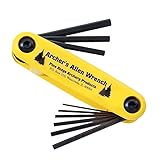
- 7. Pine Ridge Archer’s Allen Wrench Set – Best Grip-End and Sight Bolts
- 8. SAS Bow Tuning and Mounting String Level Combo – Best Dual-Level Setup Tool
- 9. SOPOGER Bow Level Tuning Kit – Best Compact Axis Check
- 10. HME 14-in-1 Archery Multi Tool – Best Field Backup
- How to Choose a Compound Bow Tuning Kit
- Frequently Asked Questions
- Conclusion
Top 3 Best Compound Bow Tuning Kits for Archers
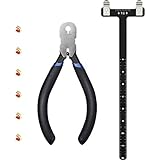
Zonon Nock Plier and Bow Square Set
- Laser etched dual scales
- Nylon jaw protects string
- 6 nock sets included
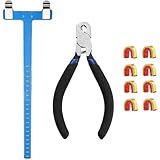

Swpeet 17-Piece String Tools Kit
- Square and wax included
- Silicone finger savers
- Rabbit hair silencers
All 10 Compound Bow Tuning Kits at a Glance (October 2026)
| Product | Specifications | Action |
|---|---|---|
| Zonon Nock Plier and Bow Square Set |
|
Check Latest Price |
| AHOSOUTLY T-Square Nock Set |
|
Check Latest Price |
| Swpeet 17-Piece String Tools Kit |
|
Check Latest Price |
 Easton Archery Essentials 8-Piece Kit Easton Archery Essentials 8-Piece Kit |
|
Check Latest Price |
 G5 Outdoors Tune-IT Paper Tuning System G5 Outdoors Tune-IT Paper Tuning System |
|
Check Latest Price |
 SOPOGER Bow Square and Nock Plier Kit SOPOGER Bow Square and Nock Plier Kit |
|
Check Latest Price |
 Pine Ridge Archer Allen Wrench Set Pine Ridge Archer Allen Wrench Set |
|
Check Latest Price |
 SAS Bow Tuning String Level Combo SAS Bow Tuning String Level Combo |
|
Check Latest Price |
 SOPOGER Bow Level Tuning Kit SOPOGER Bow Level Tuning Kit |
|
Check Latest Price |
 HME 14-in-1 Archery Multi Tool HME 14-in-1 Archery Multi Tool |
|
Check Latest Price |
1. Zonon Nocking Point and Bow Square Set – Best Overall
Zonon Bow String Nocking Points Pliers Set, T Shape Square Ruler, Black
T shape bow square
Laser etched scales
6 nock sets
Nylon protected jaws
Pros
- Highest reviewed set in this group
- Laser etched markings do not wear off
- Dual metric and imperial scales
- Nylon jaw layer protects the serving
- Fits a quiver pouch
Cons
- Pliers feel creaky and stiff
- Occasionally sits slightly out of square
- Brace height scale starts at the ruler end
This is the set we ended up buying for our own bench. The bow square is the piece that does the real work, and this one carries laser etched metric and imperial markings rather than printed ones, so the numbers are still readable after a season of being clipped above and below nocking points.
The nocking buckle plier clamps down on a string smoothly thanks to a nylon inner layer on the jaws, which matters more than it sounds. A brass jaw that bites directly on serving will chew the strands, and the plier also folds small enough to sit in a bow case between sessions.
What we liked most in the reviews is consistency at scale. At more than 2900 ratings with 72 percent five star, the complaints are narrow rather than structural: the plier hinge is stiff, a few sets sit a hair out of true, and the brace height scale is printed from the far end of the ruler instead of from the clip, which is genuinely confusing the first time you see it.
It also ships with six nocking points, enough to redo a bow several times over or to set up two bows. The T shape design clips above and below the nocking point and doubles as a reference while you work, which is the reason it stays on our bench instead of in a drawer.
Where this set earns its slot
If you own exactly one item from this guide, this is the one to start with. Brace height, nocking point position, and string clearance are the three measurements you need for almost every setup decision, and a square is how you get repeatable readings instead of guesses.
It is also the safest recommendation for a new archer buying their first bow. Nothing in the package can damage a bow, the instructions are simple, and nothing needs calibration.
Where it falls short
This set does nothing about arrow flight. It cannot tell you whether your spine is right, whether the paper tear shows a limb problem, or whether the bow is level in the rack.
Buy it alongside a level rather than instead of one. Pairing the Zonon square with the SAS dual level in this list covers most of a first bow setup for very little money.
2. AHOSOUTLY Nocking Points with T-Square Ruler – Budget Pick
AHOSOUTLY Archery Bow String Nocking Points Set with T Square Ruler Nocking Buckle Pliers and 8pcs Nocking Buckle Set,for Recurve and Compound Bowstring Accessories(Blue)…
Aluminum alloy square
Stainless steel pliers
8 brass nock points
Dual mm and inch scales
Pros
- Metal build beats plastic kits at this tier
- Square carries both mm and inch scales
- Epoxy finish resists scratches
- High category sales rank
- Brass nock points grip string well
Cons
- Spring pliers take practice to use
- Listing text gives few setup specifics
Most of the nocking point sets at this entry tier are moulded plastic. This one is an aluminum alloy square, stainless steel pliers, and brass nocking points, and that difference in materials is why it holds up better under repeated clamping.
The square has dual metric and inch scales with an epoxy paint finish that resists scratching, so the numbers stay legible after months of living in a range bag. It measures brace height and locks in nocking point position for both recurve and compound strings.
Eight nocking points are included, double what most competing bundles offer, and the nylon inner layer on the plier jaws stops the string from twisting as you crimp. At more than 300 reviews holding a 4.5 average, the feedback pattern is consistent: strong materials, accurate scales, and pliers that need a few attempts before you can crimp cleanly.
Where this set earns its slot
This is the pick for anyone who keeps dropping tools in a range bag and losing them. Metal parts survive that treatment better than plastic, and the small footprint means the whole set fits next to your arrow puller.
Recurve shooters get the same benefit. The square works identically on a longbow, where brace height is measured from the string to the grip throat.
Where it falls short
It is a three piece set, not a kit. There is no wax, no finger protection, no level, and no hex key in the box, so a first bow setup still needs at least one more purchase.
Expect a week of practice before the pliers feel natural. Plan the first few nock installs on a string you do not care about.
3. Swpeet 17-Piece Bow String Tools Kit – Best Value String Care
Swpeet 17Pcs Archery Bow String Tools Kit, Archery Nocking Buckle Plier, Bowstring Nock Sets Archery, T Shape Bow Square Ruler, Bow String Wax, Archery String Silencer, Bowstring Finger Protector
17 piece bundle
Square, wax and silencers
Finger savers and bag
Pros
- Covers the whole string service job
- Silicone finger savers smooth the draw
- String wax protects from weather
- Best fit for recurve string work
Cons
- No instructions included
- Silicone savers need trimming to fit
Where most bundles in this guide stop at three or four pieces, this one has seventeen, and the extras are the ones you would end up buying separately anyway: string wax, a set of rabbit hair silencers, silicone finger savers, and a storage bag.
The bow square is marked for both nocking point and brace height, and the plier with six nock sets handles installs. The silicone finger savers are the standout for recurve shooters, cutting string slap without the bulk of a shooting glove.
Wax is included for running over the serving ends, and the silencers damp the string vibration that most beginners only notice on a long shot. At a 4.4 average across 129 reviews, the recurring criticism is not about what is in the box but about what is missing from it: instructions, and a need to cut the long silicone pieces down to fit two strings.
Where this set earns its slot
Recurve and longbow shooters get far more value here than compound shooters do. The finger savers, wax, and silencers are all string care items that solve real recurve problems.
It also works as a one-bag answer. If you want a complete service kit to hand a family member or a club beginner, this is the one to buy so nothing is missing on day one.
Where it falls short
None of the seventeen pieces help with compound bow setup. There is no level, no Allen key, and nothing to measure draw weight or check the sight axis.
The missing instructions are a real gap. You will be looking up nocking point placement technique online before your first install, so budget an hour for that.
4. Easton Archery Essentials 8-Piece Kit – Best Branded Maintenance Set
Easton Archery Essentials Value Pack, 8-Piece Bow Maintenance Kit with Zippered Case
8 piece value set
Extra large folding Allen keys
Nock tool and puller
Zippered case
Pros
- Recognized brand name
- Covers common adjustment jobs
- Case attaches inside a bow case
- Sense of build quality
Cons
- Case is about twice the size it needs to be
- Some Allen keys fit loose in their slots
- One buyer found the set sparse
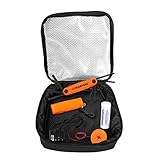
Easton is a known name in archery, and for people who want one box of tools from a brand they have heard of, that confidence is worth something. The set ships with an extra large folding Allen wrench set, a nock tool, an arrow puller, and a broadhead wrench.
The Allen keys are the piece that earns the kit its place. Sight mounts, grip screws, and limb weight bolts on modern compound bows all take hex keys, and having the common sizes in one folding case saves digging through a toolbox when something loosens at the range.
The Case Cube attaches inside a fleece lined bow case using a hook and loop panel, which keeps the tools with the bow instead of in a garage drawer. The stated saving works out to roughly 30 percent against buying the same tools separately. Owners rate the tool quality at 4.5 across 100 reviews, with the oversized case as the most common complaint and one buyer adding their own pliers because the set felt thin to them.
Where this set earns its slot
This is the pick if your tuning problems are mechanical rather than aerodynamic. Loose sight screws, a knock in your rest, or a grip bolt that backed out are all Allen key problems, and this set covers them.
It is also a good gift. The brand recognition removes the guesswork for someone who has never ordered archery tools online.
Where it falls short
It contains no measuring tool at all. Nothing in this set measures brace height, levels the bow, or sets a nocking point, so it complements a square and a level rather than replacing them.
The broadhead wrench is useful, but it is a hunting accessory rather than a tuning tool. Expect to pair this with a square before you attempt any setup work.
5. G5 Outdoors Tune-IT Paper Tuning System – Best Paper Tuning Frame
.30-06 Outdoors Tune-IT D.I.Y. Paper Tuning System, White/Red
Tuner frame
10 printed tuning sheets
Folds flat
17 by 14 inch paper
Pros
- Printed reference patterns cut the learning curve
- Frame solves holding paper in the air
- Sets up and tears down in seconds
- Needs only about 15 feet of indoor space
Cons
- Cardboard frame is flimsy
- Needs a separate stand to hang at height
- Must shoot from the same marked spot
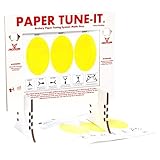
This is the only dedicated paper tuning system in the group, and it is the reason paper tuning is approachable at all. The frame holds tuning paper up at arrow height, which removes the hardest part of learning the method: getting the paper steady in a garage with no assistant.
The ten sheets are printed with example hole patterns, and each pattern maps to a specific adjustment. Instead of guessing whether a left tear means a nocking point problem or a limb problem, you match the tear to the diagram and follow the instruction.
It sets up in seconds and folds flat for transport, and owners report that about 15 feet of indoor space is enough, so a garage or basement works. The 4.5 average from 109 reviews is helped by how much the printed guide removes guesswork. The consistent complaint is the cardboard frame itself, which is light enough that you will want a separate stand to hang it at height.
Where this kit earns its slot
Buy this if you shoot indoors at all. A garage lane is the only practical way to run a paper tune, and this is the piece that makes that lane possible.
It is also the best value for learning. One session with printed tear patterns teaches more than a season of guessing at group size.
Where it falls short
You still need a tuning arrow and a bare shaft, plus something to shoot from. The system measures flight, it does not provide ammunition.
There is no bow press in the box, so for heavy bows you are shooting at a fraction of true draw weight. Experienced archers on tuning forums repeatedly make the point that strings, cables, and factory spec come before any paper work.
6. SOPOGER Bow Square and Nock Plier Kit – Best for a First Bow Setup
SOPOGER Archery Bow Square Nocking Points Pliers Bow String Knock Kit T Shape Turning Bow Square Ruler Tool String-Loop Nocking Buckle Pliers for Recurve Compound Bow Accessories (Red)
T shape square
Nocking plier with 6 nocks
Protective nylon jaw
13 inch square
Pros
- Clear and accurate nocking point reference
- Brass nocks crimp easily
- Light enough for a bow case
- Bundles three tools in one buy
Cons
- Crimpers are basic single slot
- Center reversed ruler scale takes practice
- Short aligning section on the square
For someone unboxing their first compound bow, this kit answers the immediate question: how do I set the nocking point and check brace height. The T shape square, the nocking buckle plier, and six nock sets cover the whole first session.
Brass nocking points crimp on cleanly and hold, and the nylon inner layer on the buckle clip protects the string from the jaws. The square is 13 inches long and light enough to sit permanently in a bow case.
At 4.6 across 281 reviews, this is one of the strongest rated items in the guide. The drawbacks are honest and minor: the crimpers are single slot and light duty, the ruler uses a center reversed scale that takes an hour to read naturally, and the section of the square that sits against the string is shorter than on the Zonon set.
Because the square is alloy rather than coated steel, it stays straight through a long season of clipping on and off. That matters more than weight if you keep it in a quiver pouch or a youth bow package where everything gets knocked about.
Like the Zonon set, it tells you nothing about arrow flight. You still need a level and something to shoot at, so treat this as the first half of a setup kit rather than the whole of one.
Where this kit earns its slot
It is the simplest complete answer to first bow setup, and the review pattern shows it working well for beginners specifically. Bow setup photos in the customer images show it in use during exactly that first session.
If you are buying for a teenager learning on a youth draw weight bow, this is a sensible first tool. It is small, safe, and cannot damage the string.
Where it falls short
The crimpers will not handle heavy gauge or overserved strings the way a shop grade plier does. Check the serving diameter before committing to a crimp.
It also gives you no way to confirm axis, so a bow assembled with this kit still needs a level before the first tuning session.
7. Pine Ridge Archer’s Allen Wrench Set – Best Grip-End and Sight Bolts
Pine Ridge Archery Archer’s Allen Wrench Set and Holster Combo Kit
Made in the USA
Powder coated finish
7 inch tool
Covers sight and rest bolts
Pros
- Carries the common archery hex sizes
- Decades of reliable reports from owners
- Small enough to live in a range bag
- Largest key fits limb weight bolts
Cons
- Optional holster clip is loose
- One reviewer found a sharp burr on the holster
This is a hex key set, not a kit, and we included it because the wrench is the tool you will reach for more than any other in a home shop. Sight mounts, arrow rests, grip screws, and limb weight adjustment bolts all use them.
Made in the USA with a powder coated finish, the set covers the common hex sizes in a 7 inch tool that fits a range bag permanently. At 4.6 across 255 reviews, with 78 percent five star, the feedback is close to unanimous that the wrenches themselves are reliable.
Variants include a standard wrench, an XL wrench, and a wrench and holster combo, which is the useful detail for anyone who has lost a hex key in a grass field. The powder coat survives the treatment that kills cheap hex keys, which is being dropped in a vehicle floor and dragged in gravel.
The only consistent complaints touch the optional holster: the clip is loose enough to fall off a strap, and one reviewer found a sharp burr on the thin spring clip.
Where this set earns its slot
Pick the holster combo if you tune in a field or at a 3D course. Losing a limb weight key 200 yards from a vehicle is a bad afternoon, and the holster exists for exactly that.
Pick the standard set for a home bench or a bow case. Owners report buying it again as a backup after the original went missing, which is the clearest endorsement a tool like this can get.
Where it falls short
It adjusts nothing about arrow flight. Bolts move, but nothing here measures a setting or confirms one.
It is a hex key set rather than a full kit, and one of the few items here with no measuring tool at all. Most owners end up buying a square or a level alongside it.
8. SAS Bow Tuning and Mounting String Level Combo – Best Dual-Level Setup Tool
Bow Tuning and Mounting String Level Combo
Dual bubble levels
Vertical and horizontal checks
Impact resistant plastic
Snaps to string
Pros
- Two vials cover vertical and horizontal axis
- Fast way to set nock position and rest
- Places arrow on rest and snaps to string
- Compact and light
Cons
- String clip is loose and wobbles
- Light plastic feels fragile
- Not operable one handed
- Some units read off by a bubble
Axis tuning starts with knowing whether the bow is vertical in the rack, and this tool answers that with two bubble vials: one for vertical string position, one for horizontal arrow alignment. You clip it on, set the arrow on the rest, snap the nock to the string, and read the bubbles.
It carries 784 ratings, most of them from archers who bought it as a first setup tool. Owners credit it with cutting a full bow setup down to a few minutes and with improving group consistency once the rest and nock positions stop drifting.
Its 4.2 average sits below the rest of this list, and the reason is physical rather than conceptual. The string clip is loose and wobbles, so readings need a steady hand, and the light plastic construction leaves some owners expecting a crack at some point. A few also read a full bubble off when flipped, which is a calibration consistency issue.
Used correctly, the dual readout is the fastest path through a first D loop setup. The trick is to set the nocking point first, then clamp the level to the string and read both vials before you touch the sight.
Anyone shooting a youth or low draw weight bow will get more out of it than a high draw weight shooter will, because those bows are the ones that drift out of level between visits to the shop.
Where this tool earns its slot
It is the fastest way to set a new D loop and level a rest, and the dual readout is the reason two cheaper single-vial levels do not cover the same ground.
For anyone who shoots a youth or low draw weight bow, this is often the single most useful tool on the bench, because those bows go out of level more often than high draw weight rigs.
Where it falls short
You cannot hold it one handed, and the vertical vial has to be pressed against the string. On a windy range day that is a fiddly job.
Check calibration against a known level before you trust it. A miscalibrated axis check is worse than none, because it sends you adjusting a sight that was already correct.
9. SOPOGER Bow Level Tuning Kit – Best Compact Axis Check
SOPOGER Archery Multifunctional Bow Level Tuning and Mounting String 3D Printing Compound Bow Sight Tuning Bubble Level Combos Tool Kit for Compound Bows (Black)
Two piece level set
High sensitivity bubble vials
Clamp slot fits string diameters
1.69 inch body
Pros
- Accurate enough to verify second and third axis
- Two piece design speeds up D loop setup
- Small enough for a bow case
- Works on recurve and compound
Cons
- 3D printed build shows visible layer lines
- Some levels arrived miscalibrated
- Lowest rated item in this group
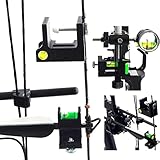
The design here is clever: a main level clamps to the string and a sub level hangs on the arrow shaft. Matching the two bubbles sets your D loop and levels the rest in one pass, and the same main level clamps to a sight head to calibrate the sight.
The clamp slot and fixing screw fit common bow string diameters, and at 1.69 inches it disappears into a bow case. Owners report it is accurate enough to verify second and third axis on a compound setup, which is more than most budget levels manage.
This is the lowest rated item in the guide at a 4.0 average across 288 reviews, and the reason is consistent: 3D printed plastic with visible layer lines, and several reports of levels arriving miscalibrated enough to read badly off. The rating distribution backs that up with a 10 percent one star share, the highest of any product here.
The two piece layout is what separates it from a single vial level, and it is the reason archers who bought it tend to keep it. Setting the D loop, leveling the rest, and calibrating the sight all happen in one short sequence with it clipped to the string and the arrow.
Check calibration the day it arrives. If both bubbles sit centred on a flat surface, keep it. If not, return it rather than chasing a phantom axis problem for a whole session.
Where this level earns its slot
The two piece layout is genuinely better for D loop work than a single vial, and that is the setup task new archers get wrong most often.
Check calibration the day it arrives. If both bubbles sit centred on a flat surface, keep it. If not, return it rather than chasing a phantom axis problem.
Where it falls short
Do not buy this as your only level on a bow you care about. The failure mode is a level that confidently reports a tilt that is not there.
It also says nothing about nocking point position, so it never replaces a square.
10. HME 14-in-1 Archery Multi Tool – Best Field Backup
HME Compact Lightweight Hunting Pocket Multi-Functional 14-in-1 Handheld Archery Multi Tool – Wrench/Broadhead Sharpener Combo
14 functions
8 Allen wrench sizes
Two screwdrivers
Broadhead sharpener
Pros
- Packs wrenches and drivers into one body
- Storage compartment for nocks and small parts
- Sharpener keeps broadheads keen
- Easy to carry in a hunting pack
Cons
- Fiddly to open and select tools one handed
- No function is tuning specific
None of the other nine products is a multi tool, and that is the whole case for this one. It folds 14 functions into a single handheld body: 8 Allen wrench sizes, 2 screwdrivers, a broadhead blade sharpener, and a small storage compartment.
The wrench spread covers bow, pack, and tripod adjustments, and the integrated compartment is the detail owners like most, because loose nocks and small parts end up somewhere in the bottom of a pack otherwise.
At 4.3 across 104 reviews, the feedback splits cleanly along the lines of the product itself. Carrying capacity is praised, and so is the sharpener for keeping hunting arrows keen in the field. The complaints are that it is fiddly to open and select individual tools one handed, and that none of the 14 functions is archery tuning specific beyond the wrenches.
Where this tool earns its slot
It belongs in a hunting pack, not on a bench. A hunter with one tool that handles a knock in the field is far better off than one with a beautiful square at home.
It also makes a sensible secondary purchase for target archers who travel to club nights and do not want a separate wrench for the bow and a separate one for the tripod.
Where it falls short
It will not set a nocking point, level a rest, or read brace height. Every one of those jobs needs a dedicated tool.
Because it is general purpose, the wrench sizes are not selected for archery specifically. Check that it covers your sight bolts before relying on it as your only set.
How to Choose a Compound Bow Tuning Kit
Buy in the order of the symptom, not the order of the box. A bow that groups off to one side at 20 yards usually points at the sight or the rest, and a bow that will not hold a setting usually points at loose bolts or a crimped nocking point. Diagnostic tools like bow sights with a reliable windage scale matter as much as the levels do.
Start by deciding which symptom you are trying to fix, because these tools are not interchangeable. A square measures a distance, a level measures a tilt, hex keys move a bolt, and a paper tuner frame reads arrow flight. Buying a bundle because it looked comprehensive is how people end up with three levels and nothing to set a nocking point with.
For a new bow, the order of work matters more than the tools. Start with strings and cables, set the bow to factory spec, then set the nocking point, then level the rest, then calibrate the sight, and only then think about arrow flight. Experienced archers on tuning forums raise this constantly: new strings, cables, and factory specification solve most problems that people try to fix with tools.
Match the kit to your draw weight. A youth or beginner bow needs a light, simple set because you are setting up nocking points and leveling a rest. A bowhunting rig at higher draw weight needs a quality crimper, a real hex key set for limb bolts, and tools rated for the serving on your strings.
Think about how many bows you own. One bow and one square is a finished setup. Two or three bows, or a recurve and a compound, means buying individual tools rather than bundles, because the second square and the second level are the only things you will repeat.
What a tuning kit can and cannot do
Everything in this guide can set a nocking point, level a bow, adjust sight and rest bolts, and help you service strings. None of it can reach true draw weight, and that is the honest limit of the category.
A bow press compresses a compound bow to your exact draw weight so you can shoot a real tuning arrow. A draw board attaches to the press and cycles the bow, which gives you repeatable conditions across a session. Experienced archers warn that buying a press without a draw board is the most common home tuning mistake, because partial compression gives misleading paper tear results.
A tuning kit also cannot certify broadhead accuracy for hunting. Broadhead tuning at hunting draw weights belongs to a shop with the right equipment, and that is not a criticism of these tools. They are setup tools, and doing setup well removes most of the reasons a bow would ever need that appointment.
Regarding whether to buy a kit or pay for a professional tune, the break-even math favors a kit for anyone who will set up more than one bow, changes arrow spine, or shoots indoor. Archers on tuning forums report getting their bows worked on regularly, and the sessions that are worth doing at home are the same ones they were doing at the shop.
Paper tuning in five steps
Install a fresh string and set the bow to factory spec before anything else.
Hang tuning paper in a frame at arrow height, about 15 feet away, and mark your shooting line.
Shoot a bare shaft or tuning arrow through the paper from the same marked spot every time.
Match the tear pattern to the printed reference, then adjust the rest, nocking point, or limbs by a quarter turn at a time.
Repeat until the tear is clean, then move on to broadhead tuning with hunting arrows.
One torn sheet, read carefully, tells you more than a hundred group photos. A tear that reads short or long points to an axis or limb issue, a tear that is off to one side points to a nocking point or rest problem, and anything ambiguous usually means you need to fix the setup first and shoot again.
Is 350 spine a reasonable starting point for a 70 pound bow? It is a common reference point that many archers begin from, but spine is only a starting number. Confirm it with a spine scale and then confirm the arrow actually flies well with a paper tune, because shaft strength and arrow weight move the answer.
Five beginner mistakes worth avoiding
Buying a bundle instead of a tool. Three levels in one bag is not a complete setup.
Tuning before setting the bow to factory spec. Adjustments made on a bow that is not at spec will drift the moment you correct it.
Shooting the paper from a different spot each time. Consistent distance is what makes tear patterns comparable.
Trusting a level you have never checked. Calibrate on a flat surface first.
Ignoring the string. Wax, serving condition, and cable alignment change how a bow shoots, and no tool in this guide diagnoses that.
Frequently Asked Questions
How often should you get your compound bow tuned?
Most compound bows need attention when something changes rather than on a fixed calendar. A new string, a new arrow spine, a different draw weight, a dropped bow, or a new bow case clearance all justify a setup session. A bow that has not changed anything and is still shooting consistent groups does not need to be touched, and experienced archers repeat this point often on tuning forums.
Is paper tuning a compound bow necessary?
No, and it is not the first step. Paper tuning answers one question: is the arrow leaving the bow straight, or is the bow adding its own error. A new bow should be set to factory spec with a fresh string, a correct nocking point, and a leveled rest before you shoot a single sheet. If the setup is correct, paper tuning confirms it. If the setup is wrong, paper tuning just tells you that something is off without telling you what.
What is the best paper to paper tune a bow?
Plain printer or copier paper works well, and most systems sell sheets printed with a reference guide showing what each tear pattern means. Use fresh paper for every shot group and shoot from a marked position at a consistent distance. The printed guide matters more than the paper itself, because it is what turns a tear into a specific adjustment.
Can I tune a compound bow at home without a bow press?
Partly. You can set a nocking point, measure brace height, level a rest, calibrate a sight, and replace a string, all without a press. You cannot reach true draw weight, so a paper tune shot from a partial draw is a relative test rather than a real one, and results can mislead. A press is the single most recommended home purchase among archers on tuning forums, and a draw board is what makes it repeatable.
What tools do I need to tune a compound bow myself?
The minimum useful set is a bow square for nocking point and brace height, a level for vertical and horizontal axis, a hex key set covering sight and rest bolts, and nocking point pliers with a few spare nocking points. Add a paper tuner frame with printed reference sheets once you want to read arrow flight, and add a bow press with a draw board when you want to tune at real draw weight.
Conclusion
If you are starting from nothing, the Zonon nocking point and bow square set is the best compound bow tuning kit we reviewed. It holds the highest rating in the group, has far more review history than anything else here, and the laser etched square is the tool you will use on every setup for the life of the bow.
Add the SAS dual level for axis work and the Easton wrench set for bolts, and you can handle a complete new bow setup yourself. Recurve shooters should start with the Swpeet 17 piece string kit instead, and anyone with an indoor lane should add the G5 Outdoors paper tuning frame before touching arrow spine. Keep the SOPOGER level only if you check its calibration on arrival.
Whatever you buy, set factory spec with a fresh string first, and buy tools for the symptom you actually have rather than the largest bundle. Our bow sight picks and youth compound bow guide cover the two pieces of gear that cause the most setup frustration for new archers in 2026.