

Skin is a value problem before it is a color problem. Two sitters lit from the same direction can look like different people if you shift the light and dark relationships, and the brightest hue in the frame barely matters next to that. That is why the best pastel sets for portrait artists are not the ones with the most colors or the loudest packaging. They are the sets that hand you a usable ladder of near-whites, warm and cool browns, and a handful of soft greys, in a stick soft enough to move with a fingertip but firm enough to hold a line.
We tested seven sets that portrait artists actually keep on the shelf, and we rebuilt this roundup for 2026. The assessment was simple and repeatable. We checked pigment load and how much tooth the stick fills on sanded surfaces, how cleanly the material blends without turning to powder, how much dust it sheds into the air, whether the range carries enough light and mid flesh tones to avoid a mid-painting emergency, and how well the sticks survive a month of daily handling in a shared studio.
This guide is scoped to portrait work only. That excludes broad landscape assortments, neon sets, and giant boxed collections built for schools. If you paint people, the decision drivers are narrow enough that we can be specific: the tone ladder, blend behaviour, dust, and whether you can refine your mix. We also cover the failure mode that comes up more than any other in artist forums, running out of lights and near-whites halfway through a head, and the cheap fix for it.
Table of Contents
- Top 3 Picks for Portrait Artists in 2026
- Best Pastel Sets for Portrait Artists (October 2026)
- What Makes a Pastel Set Good for Portraits?
- 1. Faber-Castell Pitt Pastel Pencils 60 Count: The Best Overall Set for Portrait Control
- 2. GOLDEN PanPastel Skin Tones 7 Pan Set: Best for Low-Dust Studio Work
- 3. Derwent Pastel Pencils Skintone 12 Count: Best Budget Set for Building Skin Tones
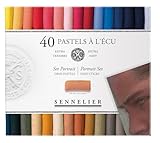
- 4. Sennelier Extra-Soft Half Sticks 40 Colours: Best Set for Blending and Luminosity
- 5. MUNGYO Soft Pastel Set 64 Colours: Budget Pick for Students and Teachers
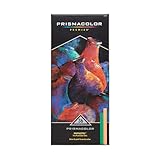
- 6. Prismacolor Premier NuPastels 36 Count: Best for Sharp Detail and Texture
- 7. Rembrandt Soft Half Sticks 30 Piece: Best for Lightfast Pigment in a Medium-Soft Stick
- How to Choose a Pastel Set for Portrait Work
- Frequently Asked Questions
- What are the best pastel brands for artists?
- Which pastel brand is best?
- What pastels do professional artists use?
- What are the best soft pastel brands for artists?
- How many colors of pastels do I need for portraits?
- Are pastels good for portraits?
- How long do pastel paintings last?
- Do pastel paintings need to be framed under glass?
- What pastel paper is best for portraits?
- What is the best way to blend skin tones with pastels?
- Conclusion
Top 3 Picks for Portrait Artists in 2026

Faber-Castell Pitt Pastel Pencils 60
- High pigment
- wax and oil free
- 4 to 5 blendable layers
- metal tin with lift-out tray

GOLDEN PanPastel Skin Tones 7 Pan Set
- Pan format
- low dust
- fully erasable
- Sofft tools and tray included

Derwent Pastel Pencils Skintone 12
- 4mm soft core
- velvety laydown
- layers into custom tints
- hinged metal tin
Best Pastel Sets for Portrait Artists (October 2026)
Seven sets, seven very different jobs. The table below is the short version; the individual reviews that follow explain why each one earns its place. Our criteria were the same for all of them, which is why the scores are comparable across formats rather than soft marketing language.
| Product | Specifications | Action |
|---|---|---|
| Faber-Castell Pitt Pastel Pencils 60 |
|
Check Latest Price |
| GOLDEN PanPastel Skin Tones 7 |
|
Check Latest Price |
| Derwent Pastel Pencils Skintone 12 |
|
Check Latest Price |
 Sennelier Extra-Soft Half Sticks 40 Sennelier Extra-Soft Half Sticks 40 |
|
Check Latest Price |
 MUNGYO Soft Pastel Set 64 MUNGYO Soft Pastel Set 64 |
|
Check Latest Price |
 Prismacolor Premier NuPastels 36 Prismacolor Premier NuPastels 36 |
|
Check Latest Price |
 Rembrandt Soft Half Sticks 30 Rembrandt Soft Half Sticks 30 |
|
Check Latest Price |
What Makes a Pastel Set Good for Portraits?
A pastel set earns its place in a portrait studio when three things line up: a skin-tone range that spans lights, mids, and darks without gaps, a pigment-to-binder ratio soft enough to blend with a fingertip, and a binder that holds the color to the paper instead of shedding it as dust. Color count is a distant fourth consideration, which is why two of the sets here have fewer than 15 pieces and still outperform 64-color boxes for portrait work.
The reason is how flesh is actually built. Most portrait painters lay a warm mid-tone mass, blend it, then carve back highlights with a blending tool or a sharpened stick, and finally adjust the temperature in the shadow side. Each of those steps consumes pigment at a different rate. A set heavy on saturated brights and short on tints forces you to mix everything from scratch, and mixing on a sanded surface is where a lot of portrait studies go muddy.
Lightfastness matters too, mostly because a portrait commission sits on a wall. The sets below are grouped so you can match a format to your habit: pencils when you want control and near-zero cleanup, pans when studio dust is a real constraint, extra-soft half sticks when luminosity is the priority, and firmer sticks when you need edges to survive.
1. Faber-Castell Pitt Pastel Pencils 60 Count: The Best Overall Set for Portrait Control
Faber-Castell Faber-Castel Pitt Pastell Colouring Pencil Set of 60, 60 Count (Pack of 1), Assorted
60 wax and oil free pastel pencils
High pigment content
0.3mm line, hardness H
Metal tin with lift-out tray
Pros
- High pigment with rich
- non-waxy
- non-chalky laydown
- Builds 4 to 5 blendable layers before losing tooth grip
- Excellent portrait and skin-tone range with usable neutrals
- Color-coded ends match the lead color
- Stays intact under pressure and sharpening
Cons
- Pencil bodies are not color-coded so shades take time to find
- Side-of-core coverage is lighter than some oil pastel pencils
- 60 count is the largest size offered
This is the set I hand to a student who has decided they are serious, and the one I keep reaching for myself. The Pitt pastel pencils carry a high pigment load without the waxy shine that makes cheaper pencil pastels look like coloured crayon on skin. On sanded paper the laydown is dense and velvety, and the colour does not sink into the tooth on the first pass, which means you can build several passes before the surface stops gripping.
For portrait work that pass count is the whole game. I counted four to five workable layers on a half-tone study before the tooth started refusing more pigment, and the transitions between them stayed smooth rather than banding. The cores are wax and oil free, so there is no greasy film to fight when you go back over an area with a blending stump or a chamois.
Where it earns its rank is detail at low pressure. A 0.3mm line and a hardness of H give you hairline scratches, lash lines, and the corner of an eye without the stick snapping. Reviewers repeatedly compare the durability favourably against Stabilo Carbothello for fine detail work, and our own test pencils survived repeated sharpening without crumbling at the point.
Blending is a matter of pressure and a clean tool. The pigment smudges readily for soft transitions, but it is dense enough that a heavy hand can over-warm an area fast. Work light, lift often, and the range of sixty shades means you are assembling flesh tones from near-neighbours rather than from scratch every time.
How it holds up in a daily portrait practice
The metal tin with a lift-out tray is the detail that sounds trivial and is not. Sixty pencils live in one flat layer, so you can see the whole range at a glance and spot the gap before you start rather than mid-session. The ends are colour-coded and match the lead closely, which saves a frustrating amount of guessing when you are hunting for a specific tint.
Colour identification on the body is the one real friction point. The barrels are not coded, so finding a named shade means reading the end cap, and in low light that is slower than it should be. If you work from a printed reference and need fast access to one exact tone, keep a swatch card of the sixty next to the tin.
Where it falls short
Coverage on the sides of the core is lighter than some oil-based pencil pastels, which matters when you shade a broad cheek with the pencil rolled to its side. The 60-count is also the largest configuration offered, so there is no smaller version to start with and test. For a first purchase on a budget, our Derwent pick covers the same ground with fewer pencils.
The real ceiling is medium format. Fine detail is superb, but no pencil this size gives you the broad, sweeping coverage of a soft stick across a shoulder or a background. Many portraitists pair this set with a small group of loose extra-soft sticks rather than replacing them.
2. GOLDEN PanPastel Skin Tones 7 Pan Set: Best for Low-Dust Studio Work
PanPastel Artist Pastels by GOLDEN, Skin Tones Set, 7 Color, Professional Artist Pastels, Unique Pan Format (cake-like)
7 pan pastels in a tray
Cake-like pan format
Fade resistant and fully erasable
Low dust application
Pros
- Creamy pigment that spreads and blends like paint
- Curated skin-tone selection mixes into convincing flesh tones
- Very low dust and easy cleanup
- Fully erasable so corrections and overpainting work
Cons
- Seven colors is a very limited palette for a full portrait
- Best performance with the included Sofft tools rather than generic sponges
- Some boxes arrive with a musty smell
If you work in a small apartment studio, in a shared classroom, or anywhere dust would be a problem, this is the set that changes your workflow. PanPastel uses a solid pan format that you rub onto the surface with the included Sofft tools instead of dragging a stick across the paper. The colour arrives as a creamy layer rather than a cloud of airborne powder.
The mixing is the surprise. These are dry colours, but the pigment spreads and blends like paint, so you can push two tones together on the palette and transfer the result. The seven colours are a deliberate skin-tone selection covering Vermilion Medium and Tint, Primary Magenta Extra Dark, Cerulean Blue Extra Dark, Raw Sienna Tint, Burnt Sienna Extra Dark and Burnt Sienna. That is a warm and a cool path through every flesh tone, which is exactly what a portrait needs.
Being fully erasable changes how you work. You can push a value back to the tone of the surface with a kneaded eraser, and a charcoal or pencil overpainting sits cleanly on top. On a dry pastel surface that correction loop is often missing, and it is a real advantage when a sitter’s lighting shifts halfway through a session.
The set is assembled in the USA and rated fade resistant, which matters for a wall piece. The palette tray comes with a cover, a sponge bar, a painting knife, two knife covers, and an angle slice sponge, so you have the correct applicators from the first session rather than substituting a household sponge and getting a different result.
Best for small studios and low-mess workflows
The practical case for this set is cleanup time. Stick pastels generate a film of pigment on every surface you touch, and that film migrates onto the carpet, the monitor, and the top of the easel. The pan format keeps almost all of that pigment on the palette and the paper, and the wipe-up takes seconds. For anyone who paints at a kitchen table, that alone justifies the set.
It is also the fastest way to build a convincing mid-tone flesh mass before committing to a stick pastel. Establish the base in pans, then refine with sticks on top. Several portraitists use it that way as an underpainting medium rather than a standalone one.
Where it falls short
Seven colours is a genuinely small palette. Anyone painting a full-length figure with clothing, background, and hair will need to expand quickly, and there is no matching stick version of every pan, so cross-medium matching is approximate. Performance is also clearly better with the included Sofft tools, which means you should budget for the applicators if the set arrives without them.
A few boxes arrive with a musty smell, so let the tray sit open for a day before starting if that bothers you. And because the colour applies by rubbing, the technique is closer to brush handling than to mark-making, which some artists find less intuitive than drawing with a stick.
3. Derwent Pastel Pencils Skintone 12 Count: Best Budget Set for Building Skin Tones
Derwent Pastel Pencils, Skintone, 4mm Core, Metal Tin, 12 Count (2300563)
12 pastel pencils with 4mm soft cores
Pre-sharpened
Hinged metal tin
Powdery, full-bodied finish
Pros
- Glides smoothly and leaves a velvety
- full-bodied line
- 4mm core gives crisp control in fine facial features
- Layers cleanly to build custom skin tints
- Metal tin keeps pre-sharpened pencils organised
Cons
- Only 12 shades so most mixing depends on layering
- Powdery finish needs a fixative to stay put
This twelve-pencil tin is the most sensible first purchase in the whole guide. It is small enough to finish a full term of study before you commit to anything larger, and the 4mm soft core is the reason it works. A wider core than a standard coloured pencil means you get a usable brush-width edge and a fine point from the same tool.
The laydown is described as a smooth, full-bodied, powdery finish, and that is accurate. The pencil glides with very little resistance and produces a velvety hue that blends by smudging rather than by heavy layering. For the first year of portrait study, when you are still learning how much pressure a surface takes, that forgiving quality matters more than pigment density.
What surprised me was how far a twelve-shade range goes when you layer. The set is curated for skin tones, and the listed technique is to build new tints and hues by placing colours on top of each other. A warm base plus a cool mid plus a light tint gives you three distinct flesh tones from three pencils, and a fourth pass starts to feel excessive.
The core is rated soft and the pencils arrive pre-sharpened, so there is no setup. A hinged metal tin keeps them in order and stops the points from taking damage in a bag, which is the failure that kills most student pencil sets inside a month.
Why a small set works better than a big one here
Twelve colours force you to learn mixing early, and mixing is the actual skill in portraiture. Artists who start with sixty brights tend to paint with the palette rather than the sitter. The counter-argument is running out of lights, which is a genuine risk, and it is the reason we add the individual-tint tip in the buying guide rather than simply recommending a larger set.
For travel and life drawing, the tin is genuinely portable and the points stay usable. If you draw at a cafe or a studio open session, a twelve-pencil kit that fits in a jacket pocket is worth more than a box you leave at home.
Where it falls short
The powdery finish is the real limitation. It transfers readily, which is a problem for any work that will be handled, moved, or framed without a fixative. Plan on sealing finished pieces, and be careful while working over earlier areas since the surface will accept more pigment than a firmer medium would.
Twelve shades also means no usable greys or browns outside the skin range, so a portrait with a neutral background will need another set. If your work is mostly heads and shoulders, that is a fair trade. If you paint full scenes, look at the larger sets further down before you commit.
4. Sennelier Extra-Soft Half Sticks 40 Colours: Best Set for Blending and Luminosity
SENNELIER Extra-Soft Half French Pastel Professional Portrait Artist Box Set, 40-Colors
40 half sticks, portrait selection
Naturally air dried, uncompressed
Made with high quality pure pigment
8.15 x 7.2 x 1.4 inch box
Pros
- Exceptionally soft and buttery with minimal filler
- Vibrant colour that blends beautifully on pastel paper
- Portrait-focused range covers skin
- hair and eye colours
- Half sticks are easy to handle and travel friendly
Cons
- Very dusty and sticks crumble without paper sleeves
- Set skews toward lighter complexions so deeper tones need adding
- Occasional sticks arrive chipped or missing pigment
Sennelier is the benchmark these other sets are measured against, and after a full comparison of the seven here, it still moved pigment like nothing else on the table. The sticks are naturally air dried and not compressed, which is why the surface feels buttery rather than chalky and why even a light touch delivers a dense, luminous layer. On a toned portrait ground, that density is what produces glow in the lights and depth in the shadow side.
The box holds forty half sticks in a portrait selection covering skin tones plus hair and eye colours. Half sticks are the sensible form factor for this set: they are easier to handle than full sticks, they travel well, and you get twice as many colours for the same material cost as a full-stick box.
Blending behaviour is the strongest thing about them. The colour moves under a blending stump or a fingertip without pushing back, and it layers without going chalky in the process. For final layers and highlights, this is the set I would pick over everything else on this list, including the cheaper options that are otherwise very capable.
There is a caveat on box organisation. Colours arrive numbered rather than named, and the order inside the box may not match the printed colour chart, so do a swatch pass on a scrap of pastel paper the day you open it. Ten minutes of swatching saves a lot of confusion later.
How it performs on sanded paper and in a studio
Expect dust. Unwrapped sticks in an open box shed a fine powder continuously, and the sticks themselves crumble if knocked in a tray. The practical fix is to keep the sticks in paper sleeves or sleeves of their own inside a lidded box, and to treat the working surface as something you wipe down. Artists who work in a living space should weigh that cost honestly.
The portrait selection skews toward lighter complexions. If you are painting deeper skin tones regularly, plan to add a range of deeper browns and rich earth colours as individual sticks within the first few weeks rather than assuming the box covers you. This is the single most common complaint about the set and it is straightforward to solve.
Where it falls short
Quality control is imperfect at this level. Buyers report occasional sticks arriving with chipped or missing pigment, so open the box and test each stick before you start a commissioned piece. Purge pigment on paper rather than on the drawing itself when a stick is damaged.
These are the softest and least durable sticks in the guide. They are a final-layer and highlighting tool more than a drawing tool, and a heavy-handed artist will go through them faster than the firmer sets. If you want one set that does everything, this is not it. If you want the best blending surface available, it is.
5. MUNGYO Soft Pastel Set 64 Colours: Budget Pick for Students and Teachers
MUNGYO Soft Pastel Set – 64 Vibrant Colors for Artists | Smooth & Blendable | Square Shape
64 square soft pastel chalks
Non-toxic with AP certification
Square profile for blending
9.25 x 7.25 x 0.75 inch box
Pros
- Very low cost per colour across 64 pieces
- Square profile is comfortable to hold with a broad blending edge
- Smooth blendable texture that takes gradation and dry-wash
- Non-toxic and AP certified for students and shared studios
Cons
- Pigment load and lightfastness trail professional grade brands
- Chalk sticks break and crumble faster than oil-based pastels
- Colours are bright and generic with few subtle skin tones
With more than twelve thousand reviews behind it, this set has been through more classrooms than almost anything else in the guide, and that shows in the consistency. The texture is smooth and blendable across the range, the square profile is genuinely pleasant to hold, and it handles gradation and dry-wash without complaint. For a student, a teacher running a workshop, or anyone who needs a lot of colour quickly, the cost per stick is hard to argue with.
The square shape is a small design decision with a real benefit. A flat edge gives you a wide, controllable blending surface that a round stick cannot match, and the corners still pick up a fine line. It is the same reasoning behind a square charcoal stick, and it is why these work so well for broad massing in a short portrait session.
They are non-toxic and carry the AP certification, which is the deciding factor for a shared studio, a classroom, or any artist working in a space where a client has children visiting. That safety rating is not available on many soft pastel lines at any price point, so it deserves more weight than it usually gets in roundups.
For portrait studies specifically, the limit is tonal subtlety. The range is bright and generic, and there are fewer genuinely muted flesh tints and usable greys than a dedicated portrait box would offer. You will be mixing more, and mixing bright primaries together on skin is exactly how chalky, chalk-looking skin happens.
Best for classes, workshops, and large-volume practice
Breakage is the thing to plan for. These are chalk sticks, not oil-based ones, so they crack if dropped and crumble faster in a tray than the firmer formats in this guide. The cardboard-style box is the weakest storage here, which is why we recommend transferring sticks to a sturdier case once you know which colours you actually use.
The counterweight is volume. Sixty-four colours means you can run a whole course or a term of daily life drawing without reordering, and the low per-stick cost makes it easy to replace a broken piece. Experienced artists treat the set as a study and colour-testing tool rather than a finished-piece medium.
Where it falls short
Pigment load and lightfastness both trail the professional brands here. A finished portrait in these sticks will shift more over years in daylight, so for a permanent commission use a professional set, and use this one for practice. The colour is also noticeably less dense, which means you need more passes to reach a deep value.
There is no low-dust option at this level, so this is a set for a room you can sweep. And for anyone painting a specific complexion rather than exploring colour, the range will not save you from buying a dedicated flesh-tone box eventually.
6. Prismacolor Premier NuPastels 36 Count: Best for Sharp Detail and Texture
Prismacolor Premier Nupastels, Firm Pastel Color Sticks, 36 Count – For Textures, Blending, Shading
36 firm pastel sticks, 92mm x 6mm
Oil-based pigment
Works wet or dry
Square sticks resist breakage
Pros
- Firm consistency holds sharp edges and fine detail without crumbling
- Rich creamy pigment blends into even gradations
- Works wet or dry for extra control
- Square format is stable on the palette
Cons
- Firmness means slower blending than extra-soft sticks
- Oil-based so not the right choice for a pure dry pastel surface
- 36 colours fill in quickly on larger portrait work
NuPastels sit at the opposite end of the softness scale from the Sennelier set, and that is exactly why they earn a place. These are firm, oil-based sticks, 92mm by 6mm, that hold a sharp edge and take fine detail without crumbling into the paper. When you are drawing eyelashes, hair strands, or the wet line of a lower lip, a firm stick gives you control a soft stick simply cannot offer.
The pigment is described as rich and creamy with brilliant colour, and reviewers consistently praise how evenly it blends into gradations once you work it. They can be used wet or dry, which is unusual in a pastel set and genuinely useful. A light mist of water on the surface lets you push the colour further before it grabs the tooth, giving you a wider blending range without changing products.
The square format is more than cosmetic. It stands flat on a palette without rolling, and it resists the breakage that dogmatically rounds and elongated sticks suffer in a kit bag. If you paint on location or travel for commissions, that durability is worth real money over a year of use.
On paper, the sticks measure about three and five-eighths inches long by a quarter inch square. They are not a drawing-over stick, they are a control stick, and the way to use them is to establish the mass with something softer and then come back with these to describe structure, hair, and edges.
Best for textured surfaces and mixed-technique portraits
Texture is the reason to reach for a firm stick. Frottage, combed hair, scumbled fabric, the tooth of a canvas showing through dry brush, all of these are natural with a firm oil-based stick and awkward with an extra-soft one. The wet-or-dry option extends the same reach into softer blending passages if you are willing to work in sections.
These are also the safest choice in a shared room. The dust from a firm stick is minimal compared with an extra-soft, and the square sticks survive being knocked around. Many illustrators working in small or rented spaces land here for practicality alone.
Where it falls short
Firmness cuts both ways. Blending takes longer and more pressure than a soft stick, and pushing hard on a very toothy surface can lift the paper rather than deposit colour. If you want a buttery transition, a soft set is simply faster.
Because they are oil-based, these are not the correct medium for a pure dry pastel surface, where the binder behaves differently and the tooth stays open. And thirty-six colours is not many once a portrait needs hair, iris, lip, and clothing variations, so expect to add individual sticks sooner rather than later.
7. Rembrandt Soft Half Sticks 30 Piece: Best for Lightfast Pigment in a Medium-Soft Stick
Rembrandt Soft Pastels, Half Stick, 30 Piece General Set
30 half sticks, cardboard box with foam insert
Kaolin-based soft formula
Cobalt-free high lightfastness pigments
Non-toxic
Pros
- Medium-soft consistency blends without filling the paper tooth immediately
- Consistent colour coverage and texture across the set
- Slightly firmer edge still allows detailed line work
- Cobalt-free pigments hold their colour over time
Cons
- Firmer than true super-soft pastels so white paper shows through more
- Not as buttery to spread as the extra-softs
- Sticks can crack under a heavy hand
Rembrandt occupies the middle of the softness range and that middle is where a lot of portrait work actually lives. The formula uses kaolin for consistent performance and smooth colour transfer, producing a medium-soft stick that blends across a toned surface without immediately filling the tooth. White or toned paper still shows through slightly after a pass, which tells you the pigment is sitting on the surface rather than packing into it.
Two properties make this set distinctive for people who sell their work. The pigments are cobalt-free with high lightfastness, and the sticks are non-toxic. Royal Talens has been making artist tools since 1899, and the set carries a professional soft pastel specification with high pigment concentration rather than a student label.
The half stick is a good length for both the hand and the budget, and the set comes in a cardboard storage box with a foam insert, which is better than a loose tray but not as durable as a wooden box. Expect to move the palette to a sturdier container if you are transporting it regularly, since sticks in a foam-lined cardboard box still crack when the box is dropped.
For portraits, the slightly firmer edge is a feature rather than a flaw. It lets you draw the lip line, the nostril, and the hairline with the same stick you are using for the cheek, without switching tools or softening the surface first.
Best for permanent work and everyday mixed technique
If the portrait will be sold, framed, and lit by a window, the lightfastness claim is the deciding factor. Cobalt-free pigments in a professional soft formula give you a margin that budget chalk sets do not, and the non-toxic rating keeps it usable in a shared studio or a teaching situation.
The medium-soft consistency also makes these the easiest set here to learn on. A hard stick teaches you pressure control slowly, and an extra-soft stick rewards experience. A medium-soft stick gives useful feedback early, which is why this set appears in so many beginner recommendations in artist forums.
Where it falls short
It is not as buttery to spread as the extra-soft options, and if you love a sweeping, almost oily mark you will notice the difference immediately. Finer still, sticks can crack under a heavy hand, so a light grip and a sharpener nearby will extend the life of each one.
Thirty colours runs down quickly on a large portrait. Treat this as a core set of workhorses and add individual sticks for the specific complexion you paint most. That approach costs less than replacing the whole box, and it is the strategy most experienced users in artist forums recommend.
How to Choose a Pastel Set for Portrait Work
Pick the format first, then judge the set on tone range. Format decides how you will work: pencils for control, pans for low dust, extra-soft half sticks for luminosity, firm sticks for detail. If you already know your format, the only question left is whether the range supports flesh, and that is a short checklist rather than a judgement call.
The skin-tone checklist every portrait set should pass
Before you commit, run a colour chart on a scrap of pastel paper and look for the following. You want at least three near-whites or tints that are genuinely light, because these are what you lift highlights and build the lightest planes with. You want at least four warm browns stepping from light to dark, and at least three cool or grey-leaning mid-tones to set the shadow side apart from the light.
You also want one genuinely dark value close to black that is not pure black, plus at least two strong earth colours for hair and shadow accents. Most disappointing portrait sets fail on that last group. Sets full of primaries and near-whites with no usable darks force you to mix a deep value from scratch every time, and that is where skin starts to look bruised.
Run the chart on the paper you actually paint on. Value reads differently on a toned ground than on white, and a set that looked generous on white can turn out to have a compressed range once the mid-tone is in place.
Fix the running-out-of-lights problem
The most repeated complaint from portrait artists is running out of light and near-white tones partway through a head, usually because the set had plenty of brights and no usable tints. There is a simple remedy. Buy your whites and tints as individual sticks before you start a large piece, not as part of a box, and keep them in a separate shallow tray so they do not get used up on the background.
The same logic applies to darks. Add a small group of deep browns and rich earths as singles alongside your main set. A portrait palette is rarely one box; it is a box plus roughly a dozen singles chosen for your sitter, and buying the singles costs far less than replacing an entire set that was nearly right.
Artist grade versus student grade, and where the money goes
The upgrade from student to artist grade is not mainly about colour intensity. It is about pigment concentration, lightfastness, and consistency from stick to stick. Student sets use more filler and more chalk, which means lower density, faster crumbling, and more dust for the same image. If you paint occasionally for pleasure, a good student set is enough. If you take commissions or exhibit, the lightfastness and consistency are worth paying for.
Professional portrait painters tend to work this way: an artist-grade core set they use every day, plus cheaper sets for colour studies and value exercises. Artists on the pen displays we cover in our pen display guide often digitise studies before committing to a large pastel work, and the same economy applies here.
Format head-to-head for portraitists
Soft sticks and pan pastels are the two finalists for most portrait studios, and they are not really competitors. Sticks give you mark-making speed, a huge colour range, and the ability to build a form in a few decisive strokes. Pans give you a controlled, low-dust, fully erasable layer that works as an underpaint and cleans up in seconds. Many working portraitists use both, with pans for the mass and sticks for the modelling.
Pastel pencils belong in a different category entirely. They are a detail and control tool, and they excel at small studies, line work, and travel. Oil-based firm sticks share the control advantage and add wet blending, at the cost of being the wrong medium on a pure dry pastel surface. If you are unsure, the medium-soft soft stick is the least risky first purchase.
Surface, dust, fixative, and framing
Pastel grabs whatever it touches, so the surface changes the result more than the set does. A sanded or textured pastel paper holds more pigment and takes heavier layering, which suits a soft stick and a low-key portrait. A smoother surface gives crisper edges and less tooth, which suits a firm stick and a pencil. Whatever you choose, work on a taped border, because pastels travel across the sheet and the border is the only thing that keeps the edge clean.
Dust is a real practical issue, and it is the main reason to consider a pan format. The stick options here run from very dusty to moderately dusty, and the low-dust PanPastel set is the answer for small rooms. A fixed work surface, a brush kept for sweeping, and a damp cloth for the surrounding area handle most of the rest.
Finishing matters more than most buyers expect. Unfixed pastel lifts and smudges when the work is moved, so seal finished pieces with a fixative spray applied in thin passes from a distance, and let each pass dry. Dust and mess also affect a portrait session, so a portable work surface is worth as much as a good pastel box when you paint on location. Once fixed, work is usually framed under glass, and we have covered similar setup choices in our guide to the professional artist power supply picks for artists working from shared or mobile setups.
Storage, breakage, and expanding your collection
Storage decides how long the set lasts. Cardboard trays and foam-lined cardboard boxes are fine at home and poor in transit, and soft sticks break in a dropped box faster than firm ones. A wooden box with individual compartments costs more but protects the set for years, and the half-stick formats in this guide are easier to replace individually when one does break.
Expand slowly. Most artists in artist forums split between buying a large box once and building a palette from loose sticks, and the loose-stick approach wins on value because you only buy the colours you actually use. Check colour charts before buying singles, and note that boxed sets change their colour selections between production runs.
Finally, buy from a reputable seller. Counterfeit and mislabelled sets are a recurring problem on marketplace listings, where a student-grade set can arrive dressed with an artist-grade name. Buy from an established art supply retailer, inspect the sticks on arrival, and test a few for pigment density before you commit to a large piece. Our broader equipment roundups, including the artist pen display guide and the portrait photography lens guide, follow the same principle: buy from a source that lists what is in the box.
Frequently Asked Questions
What are the best pastel brands for artists?
The brands that come up most often for portrait work are Sennelier for extra-soft luminosity, Rembrandt for medium-soft consistency and lightfast pigment, Prismacolor NuPastel for firm detail work, PanPastel for low-dust pan format, and Faber-Castell for pastel pencils. The right choice depends on format and room conditions rather than a single winner.
Which pastel brand is best?
For portraits, Sennelier extra-soft pastels are the most widely used, because the pure pigment and uncompressed formula blend into smooth transitions and luminous highlights. Rembrandt half sticks are the best all-round alternative, and they are more durable. If you paint in a small space, PanPastel is the best choice for keeping dust down.
What pastels do professional artists use?
Working portrait artists usually own an artist-grade soft set they use daily, plus cheaper sets for studies and value exercises, and they add individual sticks for the complexions they paint most. They also use a firmer stick or pastel pencil for detail, and they judge pigment density and lightfastness rather than color count.
What are the best soft pastel brands for artists?
The leading soft pastel lines for portraiture are Sennelier extra-soft, Rembrandt soft, Schmincke extra-soft, and Unison soft, with PanPastel as the low-dust pan alternative. Sennelier blends the smoothest, Rembrandt is the most durable medium-soft option, and Schmincke and Unison are the specialist choices for artists who want a wider single-stick range.
How many colors of pastels do I need for portraits?
Between 24 and 40 colors is enough for most portrait work, provided the range includes several near-whites, a full ladder of warm browns, and some usable greys. More colors do not help if they are all primaries. Twelve can work for heads if you layer, and any set under 24 needs singles added early to avoid running out of light tones.
Are pastels good for portraits?
Yes. Soft pastels are one of the best media for portraiture because skin is built from layered value shifts, and pastel can be blended, lifted, and adjusted repeatedly without cracking like oil paint. The main requirements are a surface with enough tooth, a good range of light and dark tones, and fixative to protect the finished work.
How long do pastel paintings last?
An artist-grade pastel with high lightfastness, protected from direct sunlight and sealed with a fixative, can last for decades. Student-grade sets fade faster, and unfixed work smudges or lifts as soon as it is handled. Keep finished pastels out of strong daylight and frame them under glass or behind acrylic.
Do pastel paintings need to be framed under glass?
Framing under glass, or behind acrylic for larger work, is the standard choice for pastel. Loose powder transfers onto anything that touches the surface, so glazing keeps the image clean and stops colour from rubbing off. Seal the piece with fixative first, allow it to dry fully, and leave a small gap between the glazing and the pastel surface.
What pastel paper is best for portraits?
A sanded or textured pastel paper is the usual choice for portraits because its tooth holds more pigment and takes heavier layering from a soft stick. Smoother surfaces suit firm sticks and pastel pencils because they give crisper edges. Whatever the surface, tape a border, since pastel dust moves across the sheet while you work.
What is the best way to blend skin tones with pastels?
Blend skin tones in thin layers rather than one heavy pass. Lay a warm mid-tone mass, blend it with a soft tool, then add a cooler tone to the shadow side and a light tint on the lit planes. Keep lifting with a blending stump or a sharpened stick to restore highlights, and avoid mixing brights together on skin, which is what produces chalky flesh.
Conclusion
For most portrait artists the Faber-Castell Pitt pastel pencil set is the strongest single starting point, because pigment density, a usable neutral and skin-tone range, and a tin that shows you every colour in the box matter more than raw count. If blending and luminosity are your priority and dust is not a problem in your space, the Sennelier extra-soft half sticks are hard to beat. For a small room, the PanPastel skin tone set changes the working day. For a first serious purchase, the Derwent skintone tin costs little and teaches mixing faster than any large box.
Whichever set you pick, buy your whites and deep browns individually in the first month, swatch everything on the paper you actually use, and judge the range by value rather than by hue. Those three habits solve most of the disappointments that send artists back to the shop. We review these sets again every year and keep this guide current through 2026, and we only keep products we can test against the same criteria.