The FIRE Movement Explained (June 2026) How to Retire Early

The FIRE Movement Explained

FIRE stands for Financial Independence, Retire Early. It is a financial movement that combines aggressive saving, disciplined investing, and intentional lifestyle choices to achieve retirement decades before the traditional age of 65. The core principle is simple: save a significant portion of your income, invest it wisely in low-cost index funds, and let compound growth … Read more

Asset Allocation (June 2026) How to Choose the Right Mix

Asset Allocation

Asset allocation is the process of dividing your investment portfolio among different asset categories, such as stocks, bonds, and cash. It is one of the most important decisions you will make as an investor because it determines the majority of your portfolio’s returns and risk level. Your asset allocation strategy should reflect your financial goals, … Read more

ETFs vs Mutual Funds (June 2026) What’s the Difference?

ETFs vs Mutual Funds

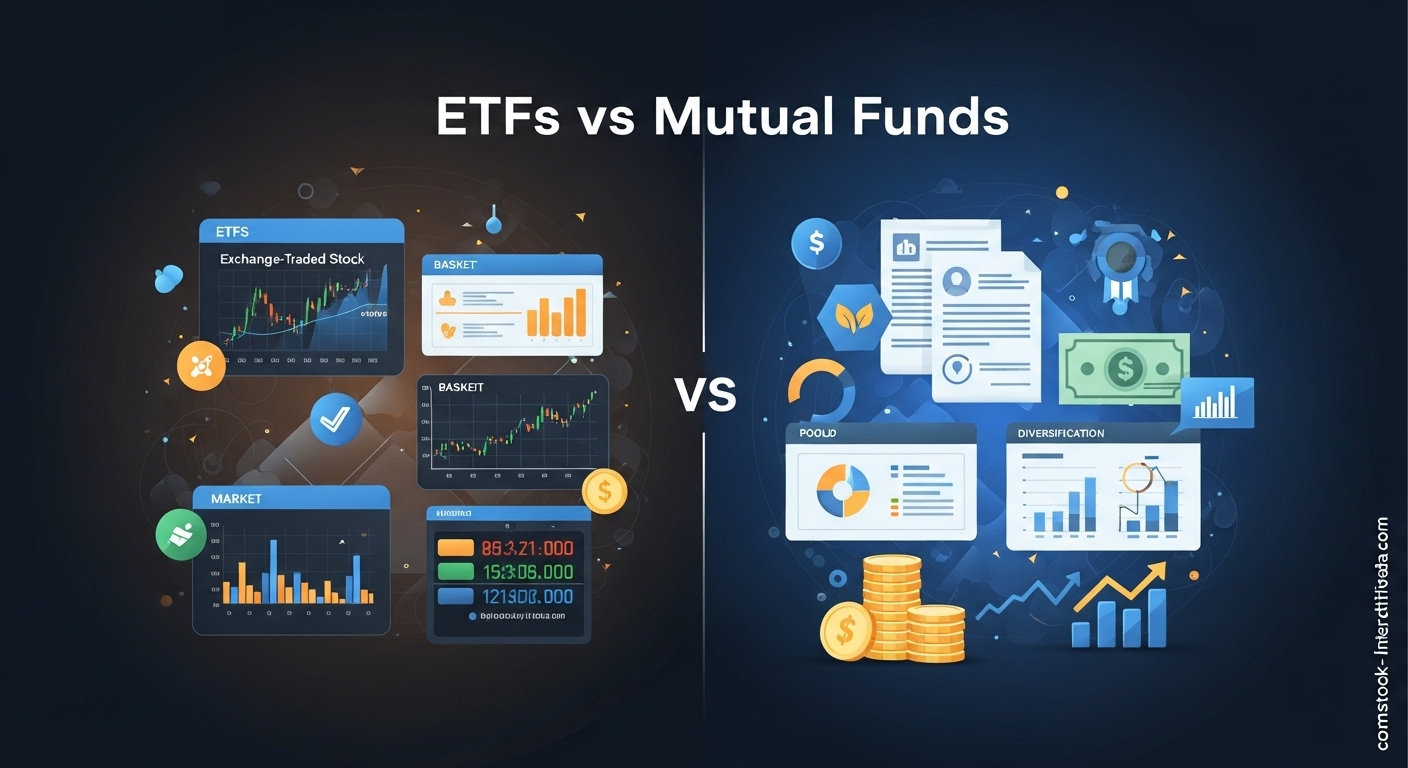
ETFs vs mutual funds what is the difference? This question confuses both beginner and experienced investors. The main distinction is simple: exchange-traded funds (ETFs) trade throughout the day like individual stocks, while mutual funds execute only once daily after markets close. I remember when I first started investing, this distinction seemed trivial. Why would I … Read more

P/E Ratio Explained (June 2026) How to Use Price-to-Earnings

PE Ratio Explained

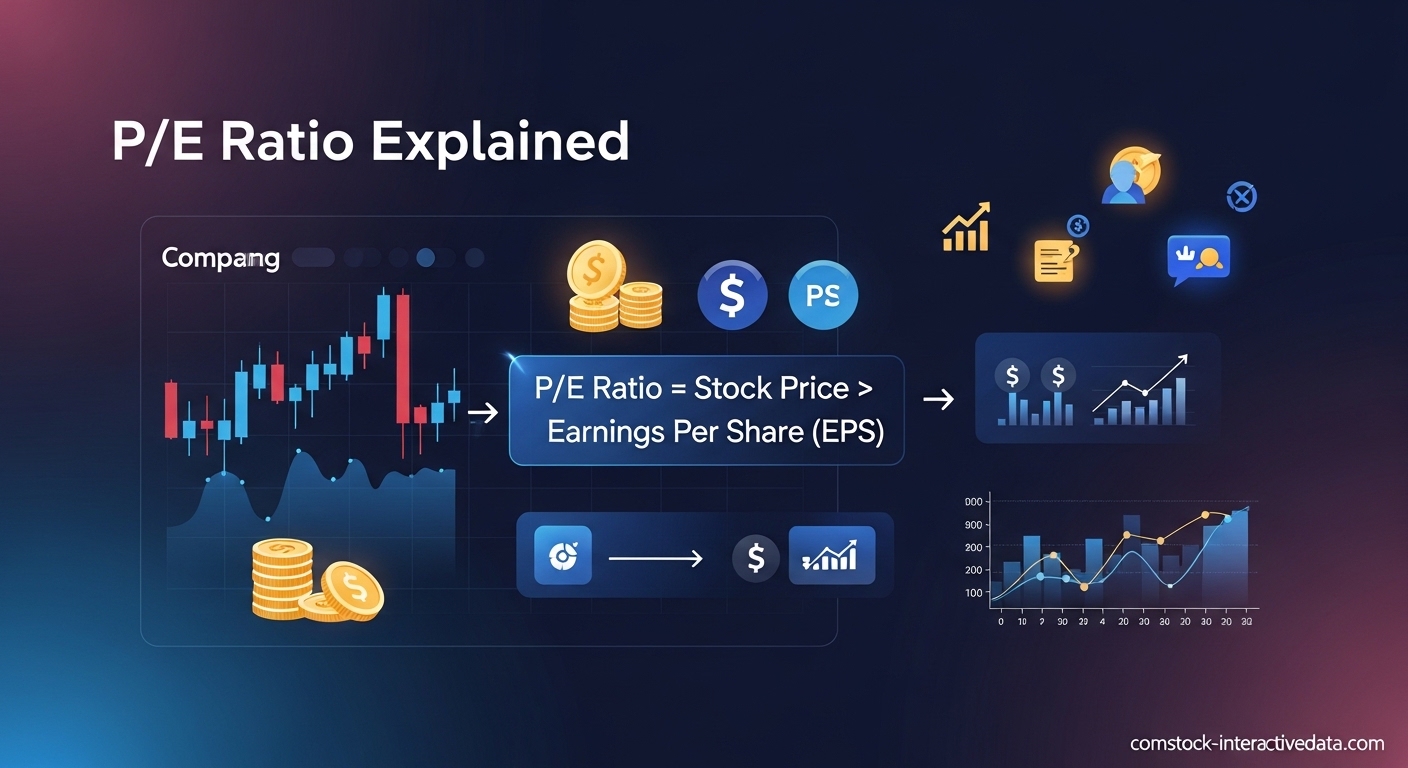
The price-to-earnings ratio, or P/E ratio, is the most widely used valuation metric in stock market investing. It tells you exactly how much investors are willing to pay for each dollar of a company’s earnings. Understanding how to calculate and interpret this ratio can transform your investment decisions from guesswork into informed analysis. Warren Buffett, … Read more

Payment for Order Flow Explained (June 2026)

Payment for Order Flow Explained

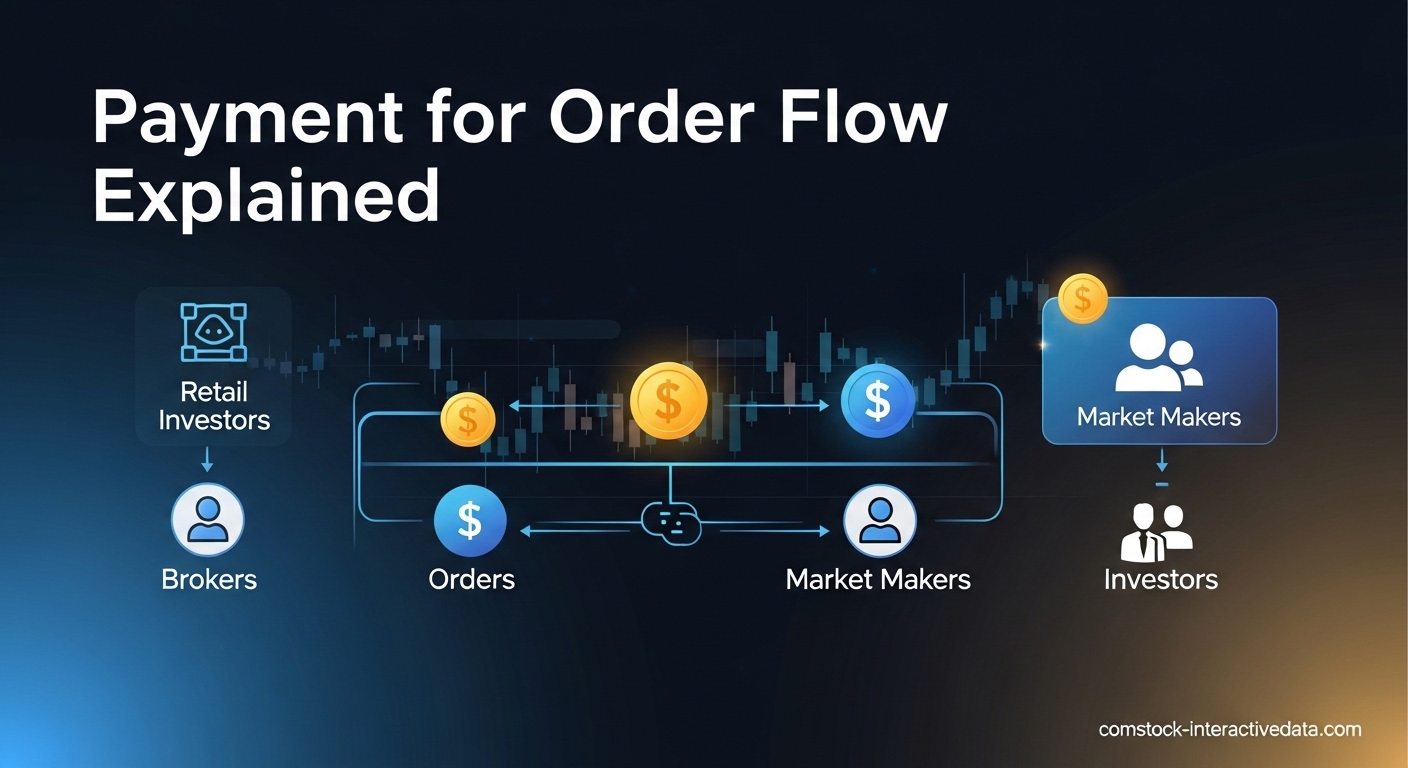
When Robinhood launched commission-free stock trading in 2013, it sparked a revolution. Millions of investors flocked to platforms promising zero-cost trades, leaving traditional brokerages scrambling to eliminate their $7-10 per-trade fees. By , commission-free trading has become the industry standard. But here’s the uncomfortable truth: free trading isn’t actually free. When you place a trade … Read more